Home
  Press Releases
  Contact Media Relations

  Media Registration

  Events
  Create Alerts
 
  Attribution Guide
  Corporate Information

  About Gartner
  Management Team
  Guiding Principles
 
  Investor Information
  Fast Facts
 
  Quick Statistics
  Top 10 Research
  Events Calendar
  gartner.com
  Gartner Books
 
PRESS RELEASES
2006 Press Releases


 Back to 2006 Press Releases

Analysts Examine the Consumerization of IT during Gartner Symposium/ITxpo, May 14-18 in San Francisco

STAMFORD, Conn., May 4, 2006 - Consumer-oriented technology is here, it's not going away, and businesses must embrace it or risk losing competitive advantage, according to Gartner, Inc.

Between 2007 and 2012, the majority of new information technologies that enterprises adopt will have their roots in the consumer market. Today, a growing number of important technologies are trickling up from consumer markets to enterprises as part of a trend Gartner calls the "consumerization of IT." Many technologies that were initially introduced and accepted in consumer markets include examples such as instant messaging (IM), "free" applications such as desktop search, and the Internet itself.

The consumerization of IT refers to the impact that technologies, products and approaches adopted by consumers, or designed for consumer use, have on the rest of the IT world (developers, technology providers and enterprises).

"Consumer-oriented technology will continue to pave the way for the most-significant IT tools," said David Smith, vice president and Gartner Fellow. "A primary agent of this phenomenon is the second Internet revolution in which the Internet serves as a proving ground for new technologies. The Internet's ease of use has made people view technology differently, with less hesitancy."

"This trend is heightened by the convergence of computing and the Internet with traditional areas of consumer technology for entertainment, such as TV and music," Mr. Smith said. "All these shifts mean that consumers are more techno-literate and demanding and even less willing to be limited by what IT provides."

Businesses should accept consumer-oriented technologies by:
  • Assuming it will find its way into your enterprise, whether you want it to or not. You shouldn't ban it, and you can't pretend it's not there. Just as you wouldn't ban telephones as a business tool from your organization based on employees making a few personal calls, you shouldn't eliminate a potentially productive tool such as IM out of fear that your employees will abuse it by occasionally sending out personal messages.

  • Experimenting with the latest consumer technologies to determine ways your enterprise can take advantage of them. Create experimentation zones where IT staff and other users can become familiar with consumer technology and identify applications where the technology can improve collaboration, communication and efficiency or other aspects of enterprise performance. Look for ways in which consumer IT can save money in technology investment and provide benefits in unexpected areas, such as employee productivity, creativity and satisfaction.

  • Making sure you secure pathways opened by consumer technology by architecting your enterprise network system for more than internal needs alone. Assume that malicious intentions exist in this wider realm and treat all access as if it were potentially hostile.
"Businesses need to recognize that the consumerization of IT trend will continue to gain momentum. It isn't a fad that's going to go away next year," Mr. Smith said. "Exploit, manage and benefit from the consumerization of IT with education and a realistic and pragmatic approach. Don't try to stop it - you will fail."

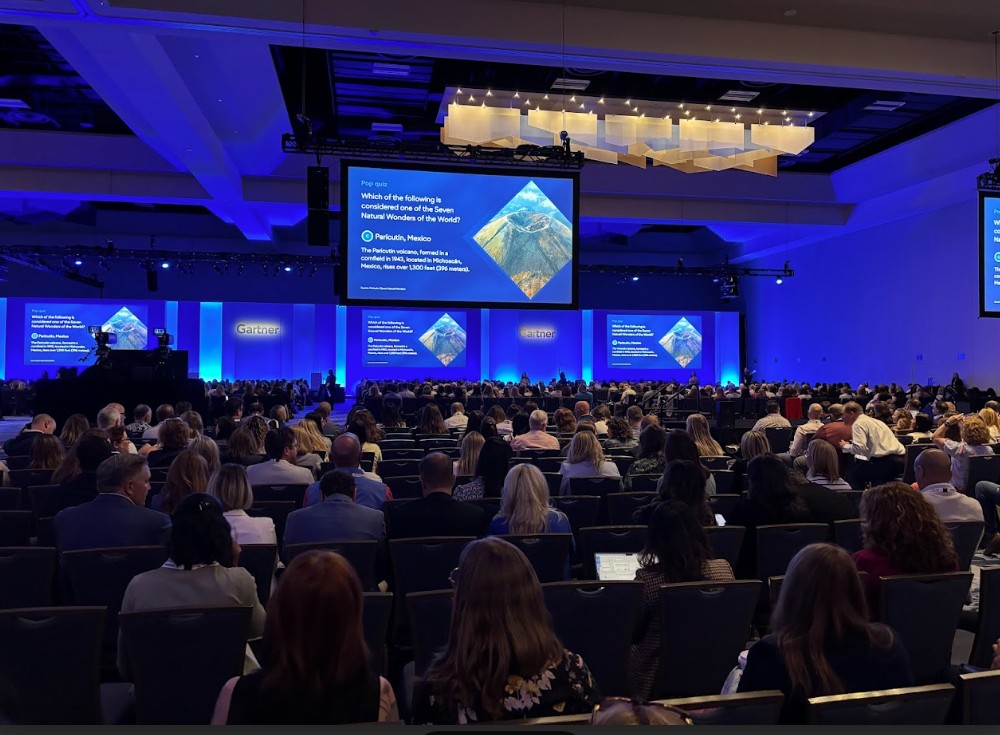
Gartner analysts will further discuss trends involving the consumerizaton of IT at Gartner Symposium/ITxpo 2006, to be held May 14-18 at the Moscone Center in San Francisco. Gartner Symposium/ITxpo is the IT industry's largest and most strategic conference, providing business leaders with a look at the future of IT. For more than 10,000 IT professionals from the world's leading enterprises, these annual events are key components of their annual planning efforts. Attendees rely on Gartner Symposium/ITxpo to gain insight into how their organizations can use technology to address business challenges and improve operational efficiency. For more information on the San Francisco event, please visit www.gartner.com/us/symposiumwest. Members of the media can register by contacting gartnerevents@text100.com.

CONTACT:
Tom McCall
Gartner
(408) 468-8312
tom.mccall@gartner.com


About Gartner:
Gartner, Inc. (NYSE: IT) delivers the technology-related insight necessary for its clients to make the right decisions, every day. Gartner serves 10,000 organizations, including chief information officers and other senior IT executives in corporations and government agencies, as well as technology companies and the investment community. The Company consists of Gartner Research, Gartner Executive Programs, Gartner Consulting and Gartner Events. Founded in 1979, Gartner is headquartered in Stamford, Connecticut, U.S.A., and has 3,700 associates, including 1,200 research analysts and consultants in 75 countries worldwide. For more information, visit 
www.gartner.com.


2005 Press Releases

2004 Press Releases

2003 Press Releases

2002 Press Releases

2001 Press Releases

2000 Press Releases

1999 Press Releases