Everbridge Perspective: Unlocking Climate Change Resilience
Solution
Everbridge provides governments, institutions, and enterprises the tools required to dynamically assess risk, enable adaptability, and build resilience against climate change related natural disasters, as well as any type of critical event that may threaten an organization’s people, assets, and/or facilities.
Everbridge Powers Resilience Against Extreme Climate Events through Tech
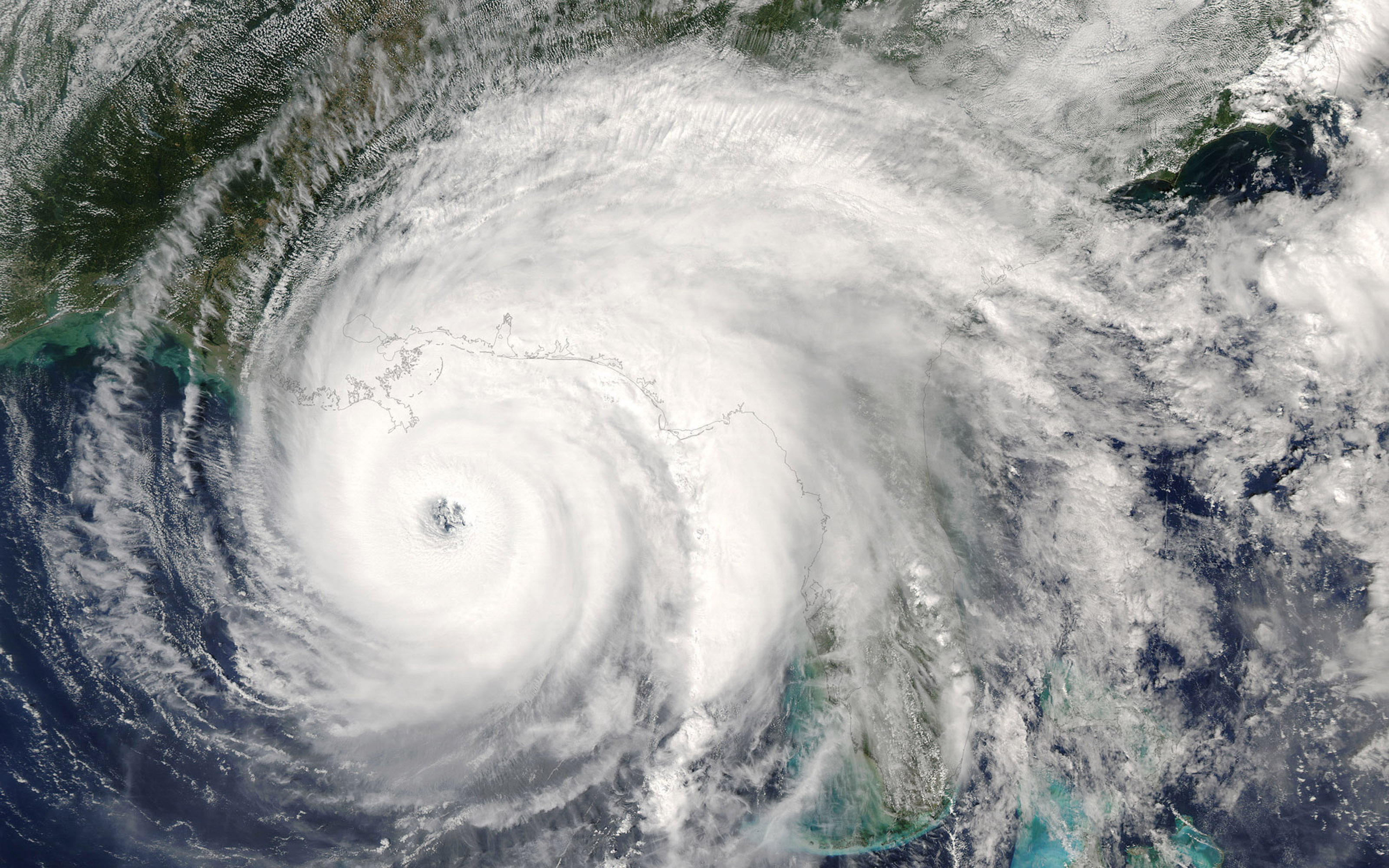
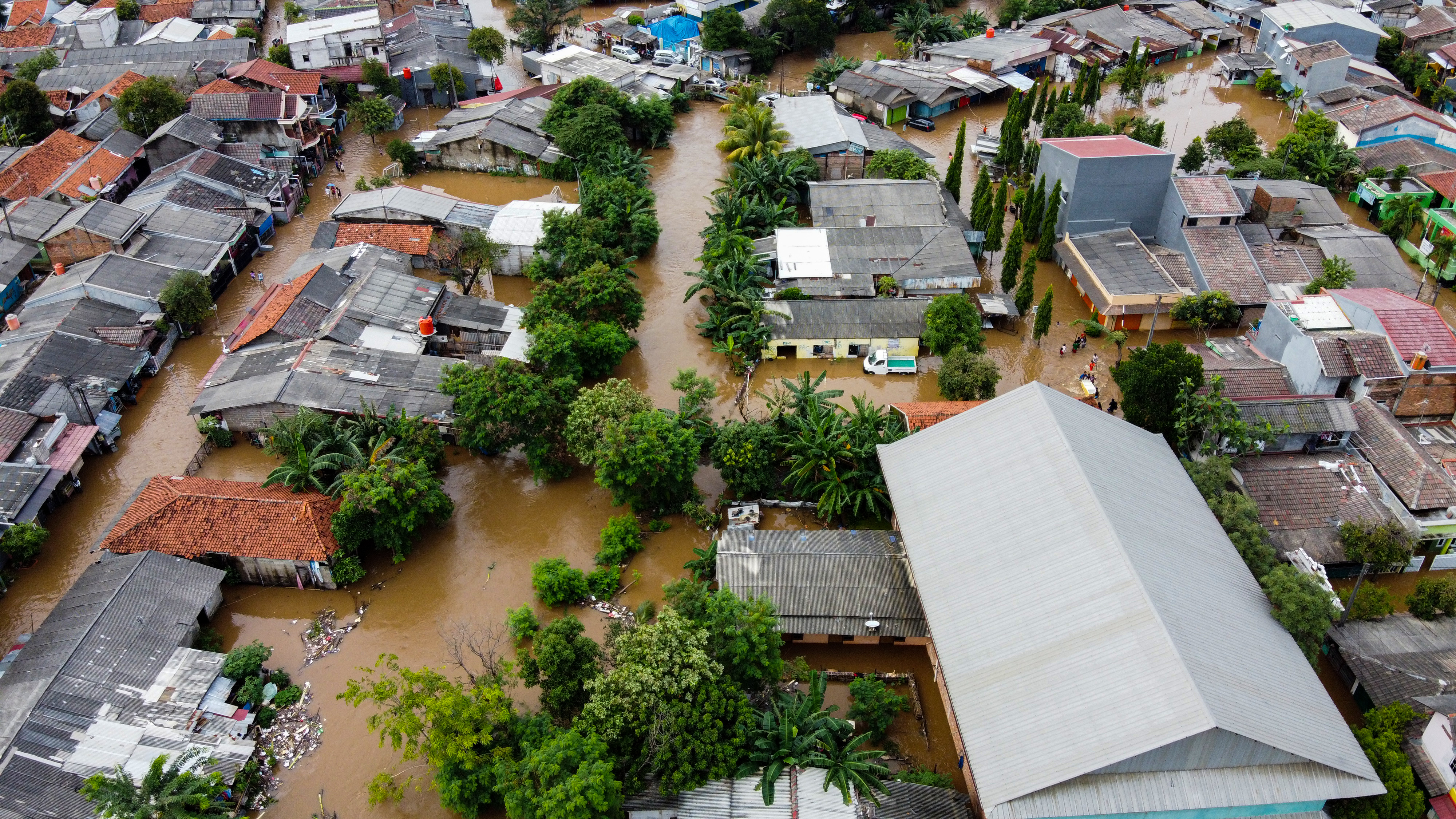
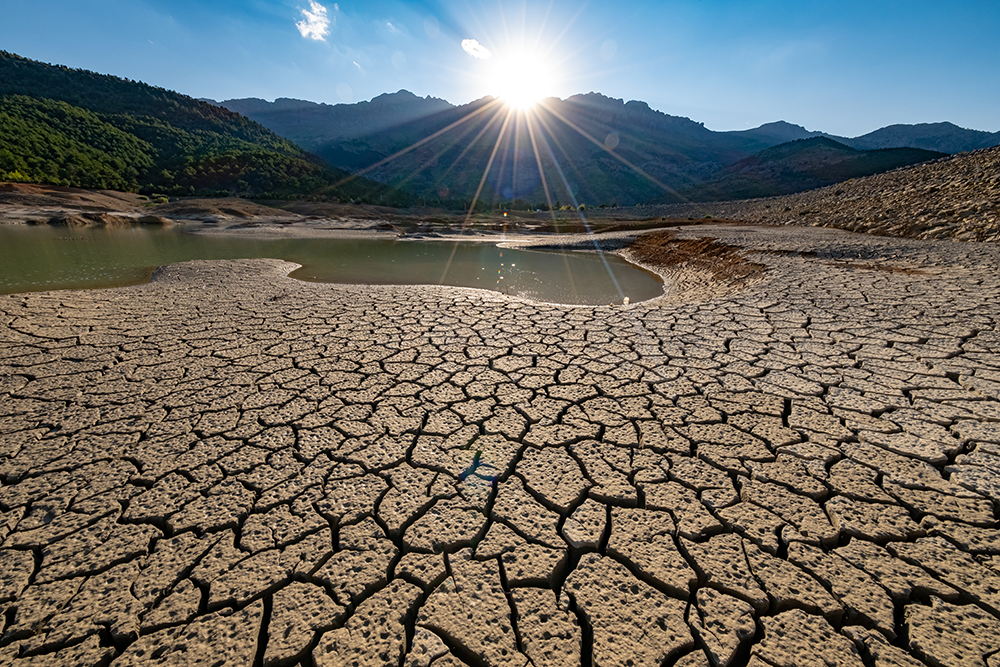
Across the spectrum of emergencies, climate-induced events are among the most frequent and devastating. This has led to a boom in weather, climate, and hydrological services (hydromet services). From telecommunication to artificial intelligence and machine learning, the rapid advances in technology and innovation have simultaneously contributed to and been expanded by the range of products and services that can be considered part of the hydromet value chain. Solutions span mitigation, adaptation, and loss/damage; we will speak to the first two areas below.
The hydromet chain is a framework for the prediction and prevention of natural hazards related to severe hydrometeorological events. The hydromet chain aims to optimize warning systems used for risk assessment and mitigation.
Ultimately, Everbridge technology provides an important element of this chain, the “last mile”. How can a business successfully reduced climate change risk? By communicating emergency messages to targeted groups more rapidly, effectively and across a number of modalities – Everbridge solutions mitigate the impact of and aid organizations in adapting to climate risk.
Since the uptick in hydromet services, the international donor and development community has focused its efforts and funding predominantly on detection and prediction data (mitigation), and less on communication, collaboration, and early warning or alerting capabilities (adaptation).
While detection and prediction are vital components of addressing an extreme climate event, resilience for both public and private sectors happens when all links of the hydromet value chain work effectively together. Importantly, this includes the "last mile” - the effective action of communicating a critical event to the population, employees, responders.
In addition to mitigation efforts, “last mile” efforts strengthen an organization’s adaptation to critical climate events through alerting and warning capabilities, increased collaboration, and integration between internal operations and weather information. Prioritizing adaptation alongside mitigation ensures greater resilience against increasingly extreme and frequent events and amplifies a more holistic strategy toward climate risk reduction.
Everbridge is positioned, alongside the National Disaster Management Agencies, to deliver solutions that push organizations toward the “last mile” in unlocking full resilience against climate change risk. Everbridge’s intelligent Public Warning technology bridges the often overlooked yet essential element of the “last mile” of the hydromet value chain: empowering people and responders through automatic and highly localized alerting capabilities to make informed decisions and act quickly and effectively in the face of climate related events.
Everbridge’s next-generation, hybrid Public Warning systems combine cell broadcast and location-based SMS with situational awareness. These systems allow organizations, such as governments and multilateral institutions, to send specific messages to target populations located in risk areas before, during and after a disaster and to derive situational intelligence which helps effective and timely responses. The impact is measured in lives saved, business continuity, and security of mission critical functions.
Additionally, Everbridge Critical Event Management (CEM) technology has the ability to ingest and analyze any risk-related data source including climate-related risk, creating an alert should a material change occur, or a set threshold be breached, such as flood levels or volcano ash density in the air. For enterprises, the management of an emergency has a direct impact on business continuity, revenue, and reputation. With Everbridge, organizations are empowered to respond to and contain critical events including climate induced natural disasters more quickly and effectively, thus better protecting employees, business partners, and company assets. CEM technology enables organizations to digitize processes and strengthen risk management plans.
Based on an Everbridge commissioned study conducted with a sample of 20 companies from manufacturing, retail, and insurance industries, Everbridge helped reduced losses from business interruption, with a share due to climate change related natural disasters. Critical events often lead to property damage, whether to buildings, fleet, or inventory. Everbridge’s asset-specific data feeds enable better advance planning for more predictable events and faster response to the unpredictable minimizing property damage as a result. Deploying Everbridge CEM technology, one representative company added nearly $2.7 million to the bottom line. Additionally, minimizing property damage losses alone amounted to $2.0 million.
One of the most economically damaging events (or effects of such an event) is a disruption in the ability of the organization to carry on its business. The Everbridge CEM platform allows companies to identify and remedy critical events more quickly, thus getting revenue-generating activities back up to speed. As a result of deploying Everbridge, the 20 companies saw reductions in property damage, unplanned manufacturing and IT downtime, and lost employee productivity.
Furthermore, with increasing demands to fulfill duty of care standards, organizations are seeking ways to actively demonstrate a commitment toward protecting their people. Adopting technology that encourages a proactive, holistic strategy to manage both climate-related and other types of critical events not only showcases a commitment toward the protection of people, but an investment in leading the movement toward resilience against all risk events.