and Prepare for the Future in Life Sciences
AI Potential and Challenges
“AI is a concise catch-all term that denotes the shift from highly analog decision making to automated, algorithm-based decision making.” – Gartner 15
Most organizations have already dipped their toes in the sea of endless possible AI applications. Despite some notable successes, many AI projects conducted by life sciences organizations were unsuccessful for the same reasons previously mentioned. To effectively deploy intelligent automation and AI capabilities, you require proper data management, cleansing, and integration, which is not possible with the data issues caused by legacy IT systems and complex portfolios of applications.8 Therefore, to reap the benefits of AI, the first order of business should be moving away from outdated models and adopting a unified and interoperable tech stack.
Another hurdle that might explain these fruitless AI initiatives is the lack of proper talent. It’s hard to find individuals who are experts in AI and have a firm understanding of the life sciences industry, its terms and nuances. As a result, most life sciences organizations find their talent and resources fragmented, often across multiple small initiatives, leading to an inability to scale their AI projects.3 When we take into consideration that up to 80% of a data scientist’s precious time is typically spent on sorting out the data, leaving only 20% of their time for actual data analysis, solving the issues caused by legacy CRMs becomes even more critical.16
Despite these challenges, we cannot dismiss the potential benefits of AI. There is no doubt that AI-powered solutions will play a key role in shaping the future of our industry:
- The market value of AI in life sciences was valued at $1.1 billion in 2019 and is estimated to reach $4.89 billion by 2025, registering a compound annual growth rate (CAGR) of around 30% during this period.17
- By the year 2026, Big Data, in conjunction with machine learning in medicine and pharma, will be generating value at $150 billion/year.18
- AI investments are expected to boost revenue by more than 30% over the next 4 years.19
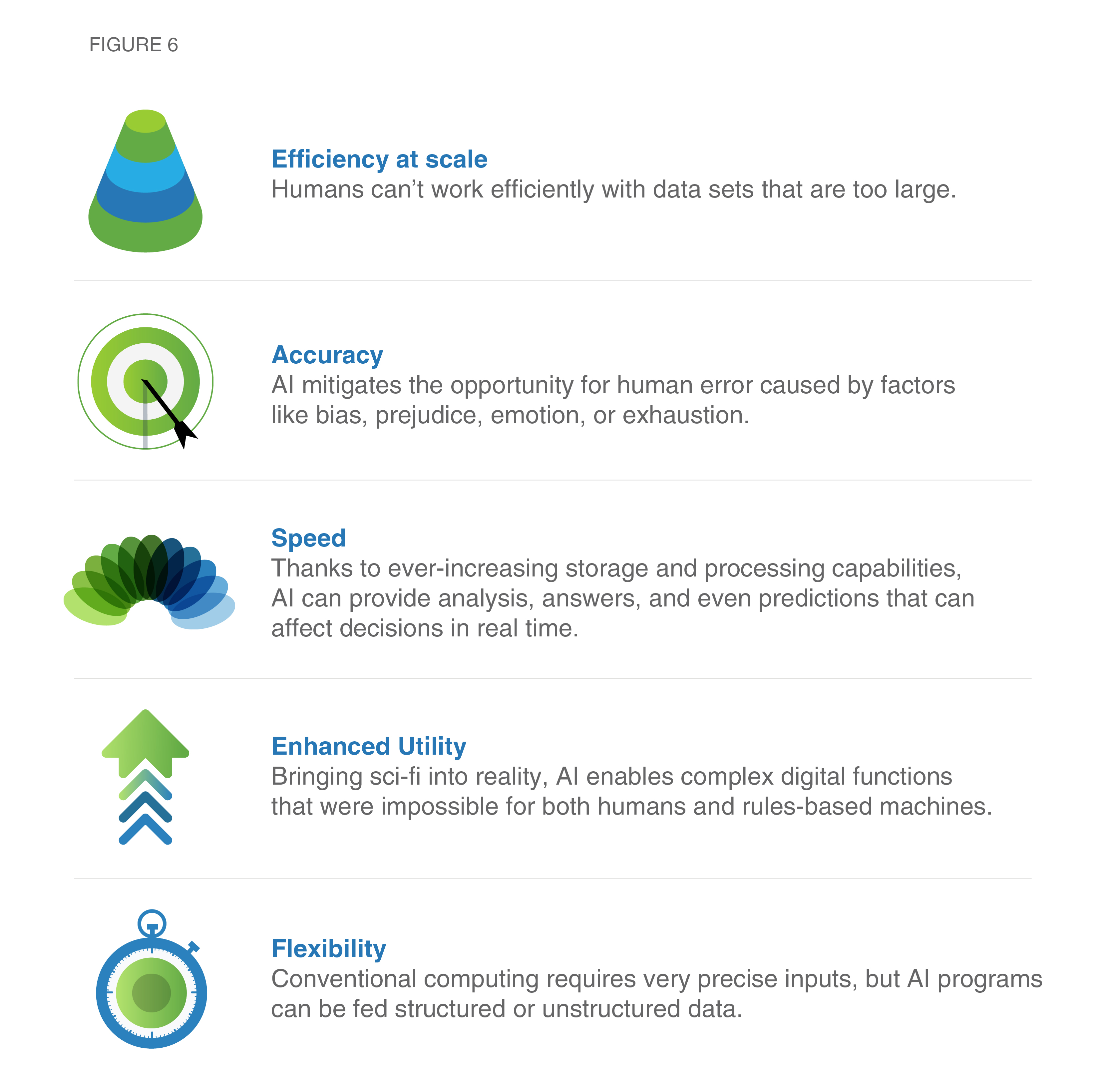
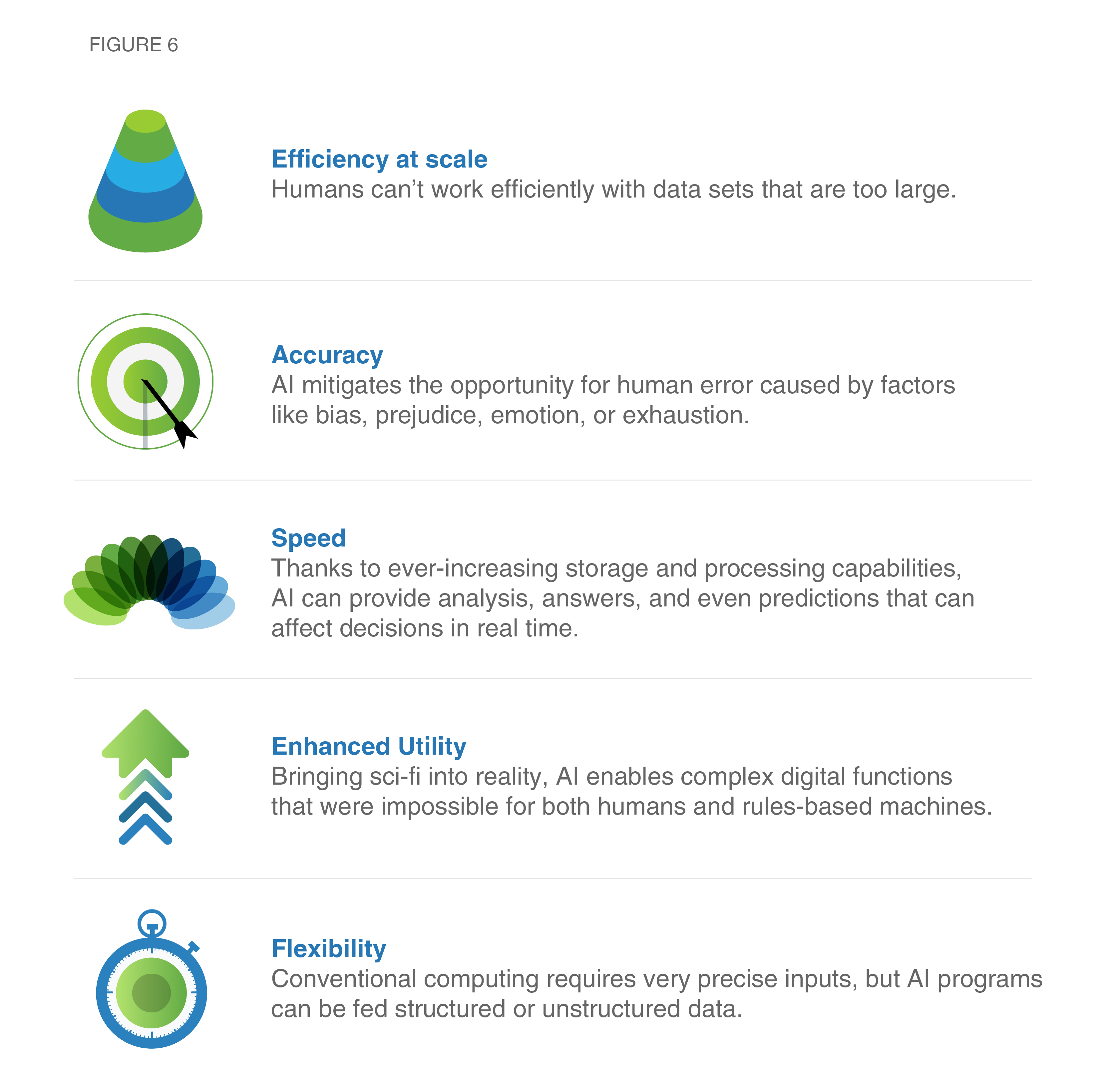
Seeing how life sciences is currently one of the most inefficient industries, with a steady decline in efficiency since the 1950s, focusing on harnessing the potential of AI as soon as possible can be the means for us to turn things around.1 Here’s how AI can help5:
An additional element that can significantly increase the efficiency of life sciences organizations is automation. Automating mundane and repetitive tasks minimizes the risk of human errors and increases the effectiveness of employees, subsequently allowing individuals in the organization to innovate and focus on higher-impact tasks. Automation can also be key to offering personalized CX to HCPs and patients. In fact, according to McKinsey, automation and advanced analytics techniques have already reached the level where personalization at scale is possible.20
Leveraging AI for Life Sciences
AI is one of the most important things humanity is working on. It is more profound than … electricity or fire. – Sundar Pichai, CEO, Google 21
In spite of the obstacles previously mentioned and the bad experiences in implementing past AI projects, there is still a positive outlook among life sciences leaders. According to a study by Accenture, 90% of life sciences executives recognized AI as important in achieving outcomes such as hyper-personalized experiences and new levels of efficiency.19
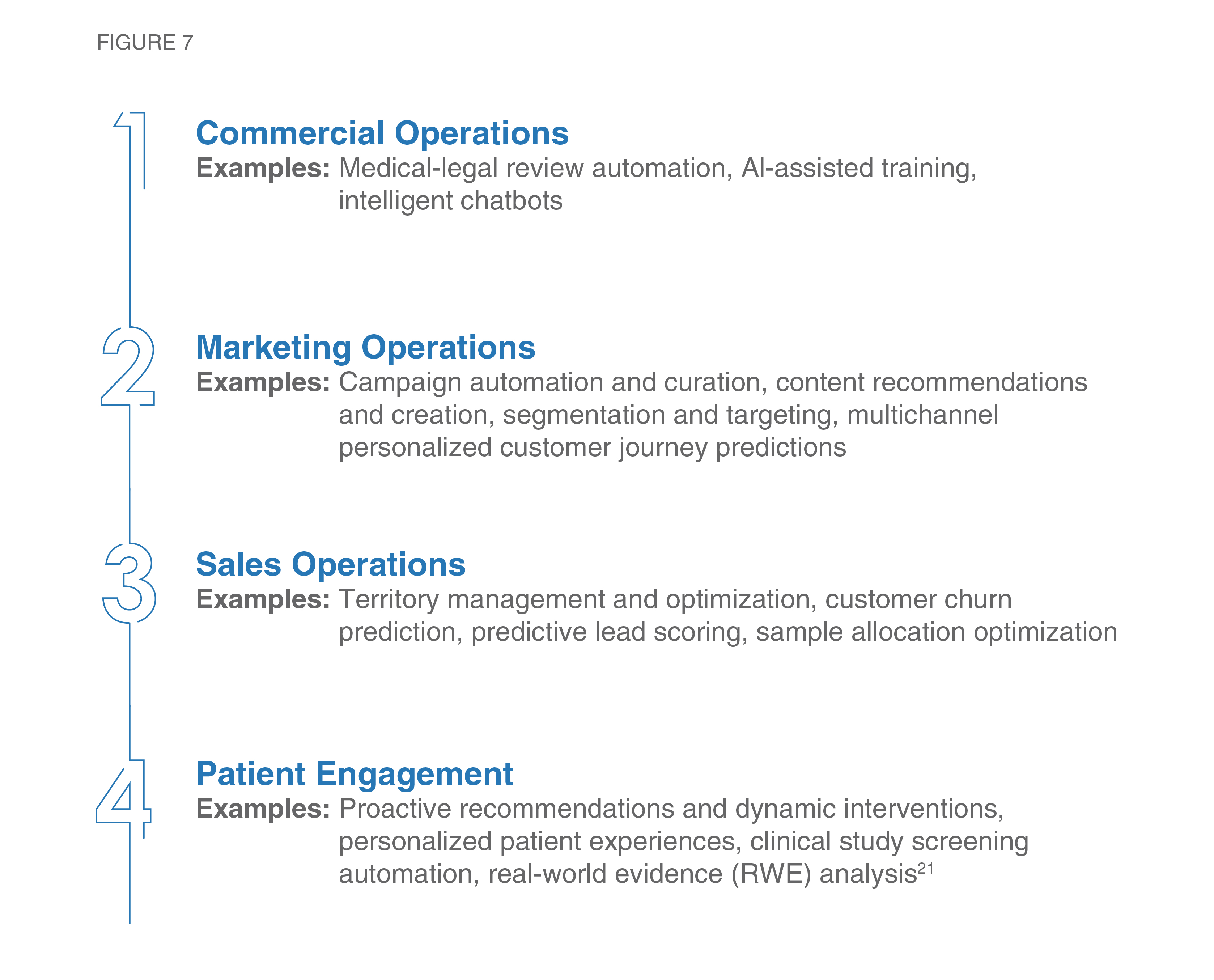
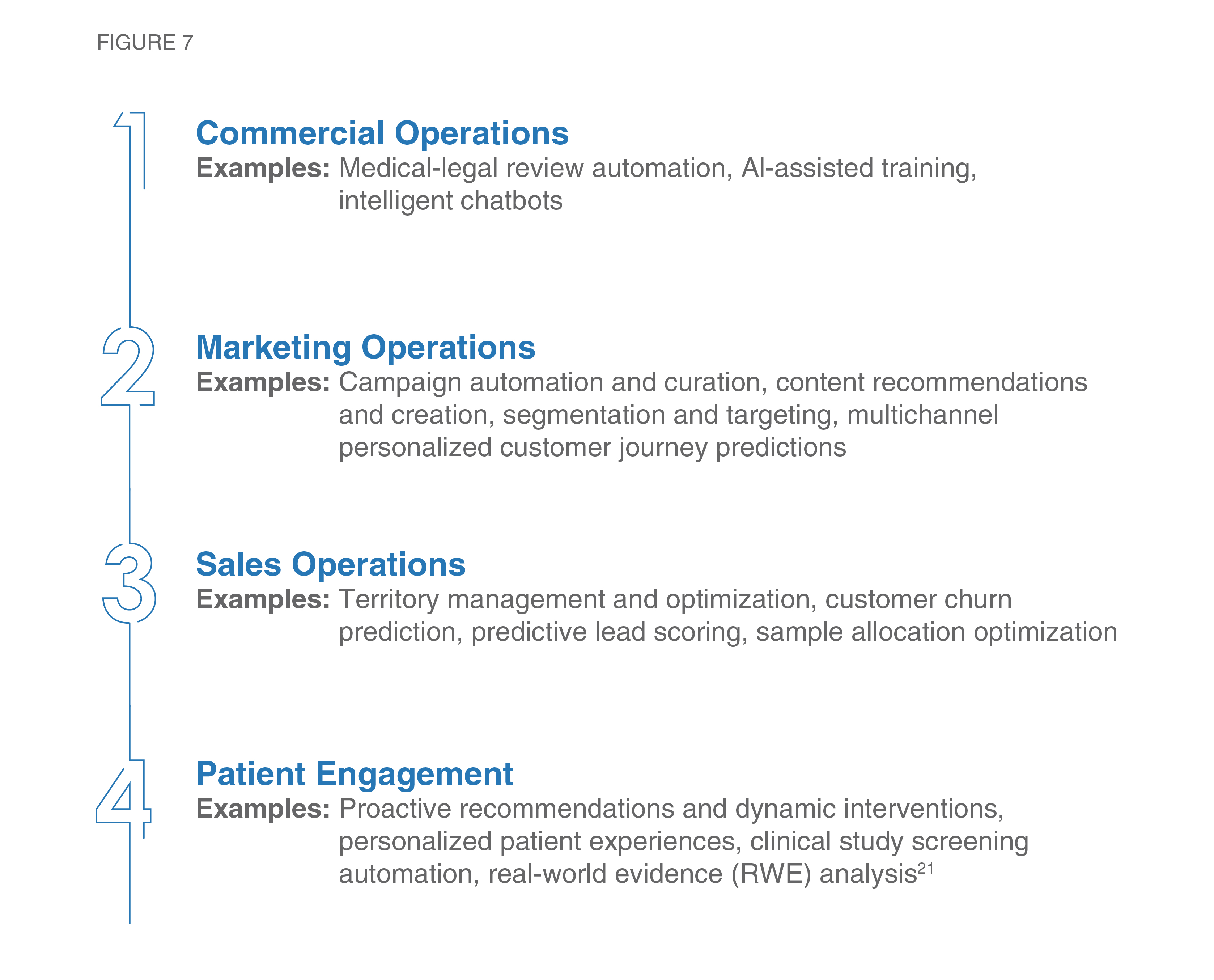
There are many areas in life sciences and healthcare where AI initiatives can provide a significant advantage, including drug discovery and development, diagnosis, disease prevention, and personalized treatment to name a few. With regard to improving the CX offered to physicians and patients, there are 4 areas where AI-powered solutions can truly shine22:
While partnering with tech vendors who offer AI-powered features can have a drastic effect on your CX, extra care should be practiced when evaluating those vendors because not all AI solutions are created equal. Multiple factors come into play when assessing the value of AI-powered technology, one of which is the type and complexity of the algorithms used.
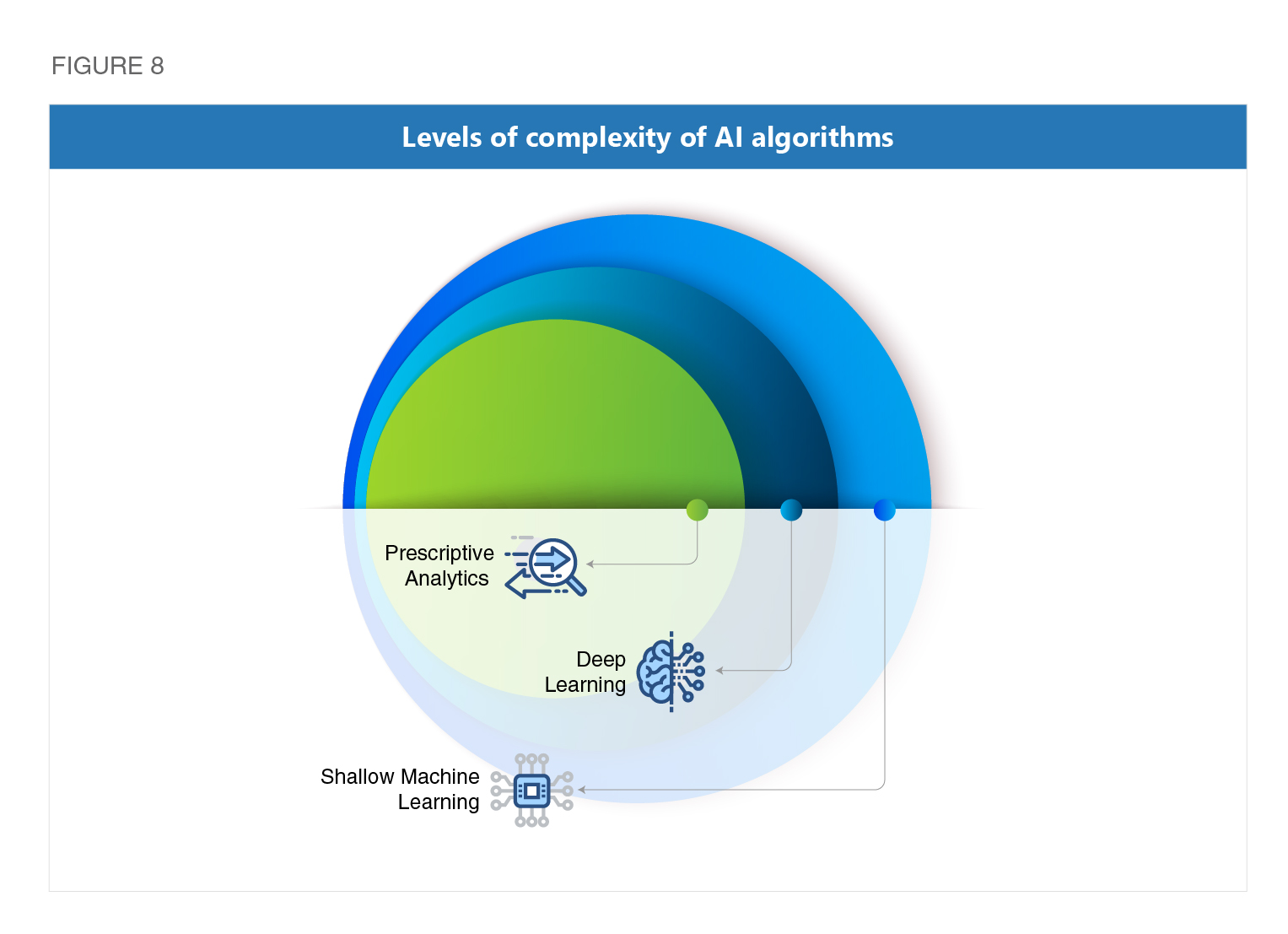
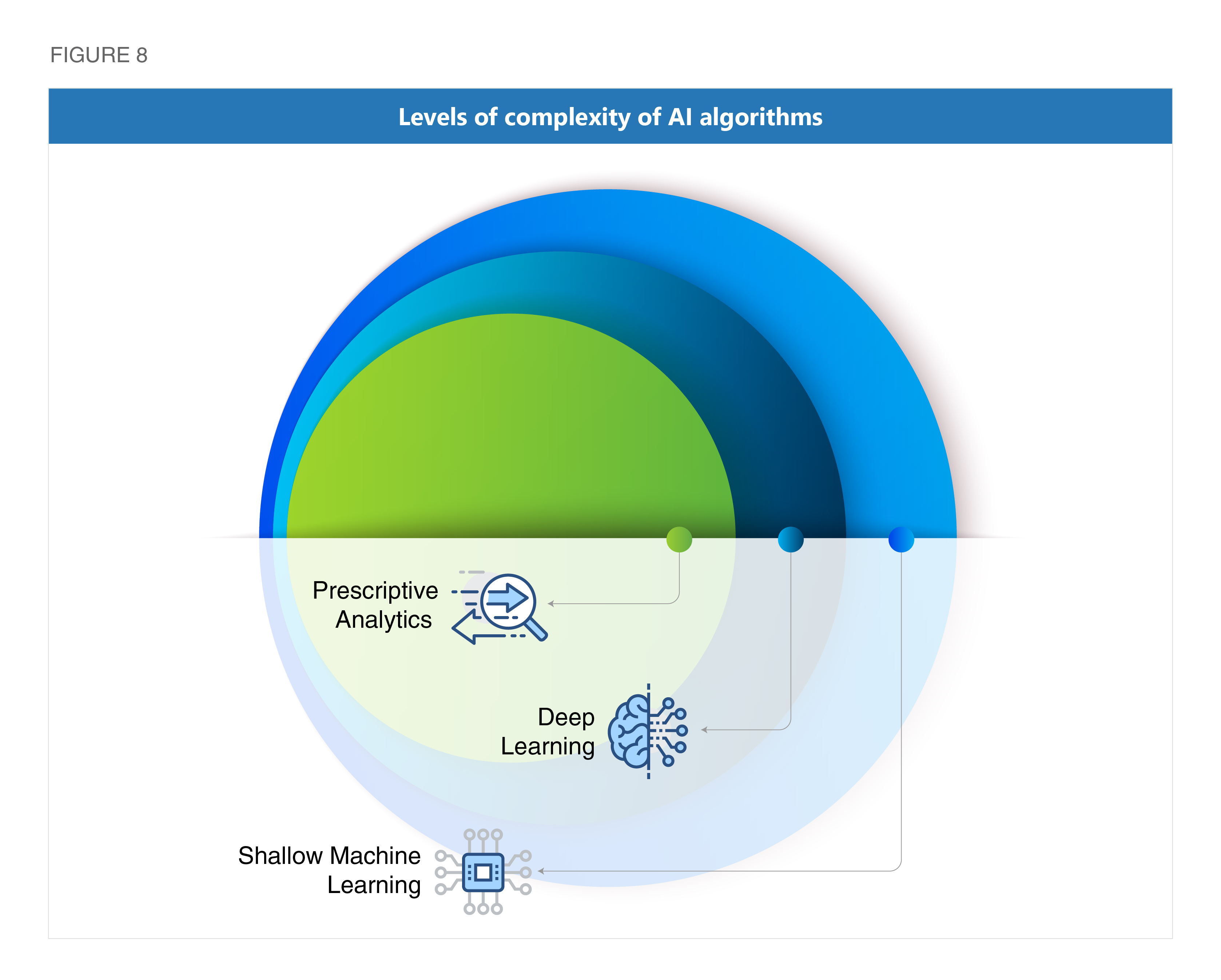
The above figure depicts the levels of complexity of AI algorithms.
- Shallow Machine Learning (Shallow ML) is a subset of AI that focuses on learning based on predefined features. Some examples of shallow ML include fraud detection and recommendation systems similar to the ones seen on Netflix or YouTube.
- Deep Learning (DL) is a more advanced type of ML that is inspired by the structure of the human brain and relies on artificial neural networks. Instead of being fed features like shallow ML, DL automatically learns these features along with their weights. However, DL algorithms tend to require massive amounts of data and computational power to be successful. Although DL is inherently more complex, it can be applied to areas where ML can’t be used, such as analyzing medical images (X-rays and MRIs) for an automated second opinion.
- Prescriptive Analytics is the most advanced type of AI and is used to generate predictions (predictive analytics) and initiate proactive decision-making outside the bounds of human interaction. An example of prescriptive analytics would be self-driving vehicles.
It’s important to note that the type of AI doesn’t necessarily determine the relevance or effectiveness of a solution; it’s equally important that the right type of AI is used for the problem it’s trying to solve. While evaluating new technologies, it is also important to understand if the algorithms have been trained for life sciences use cases to get the most out of the platform from the get-go. A combination of these cognitive services will likely be the recipe for scalability depending on the problem an organization is looking to solve:
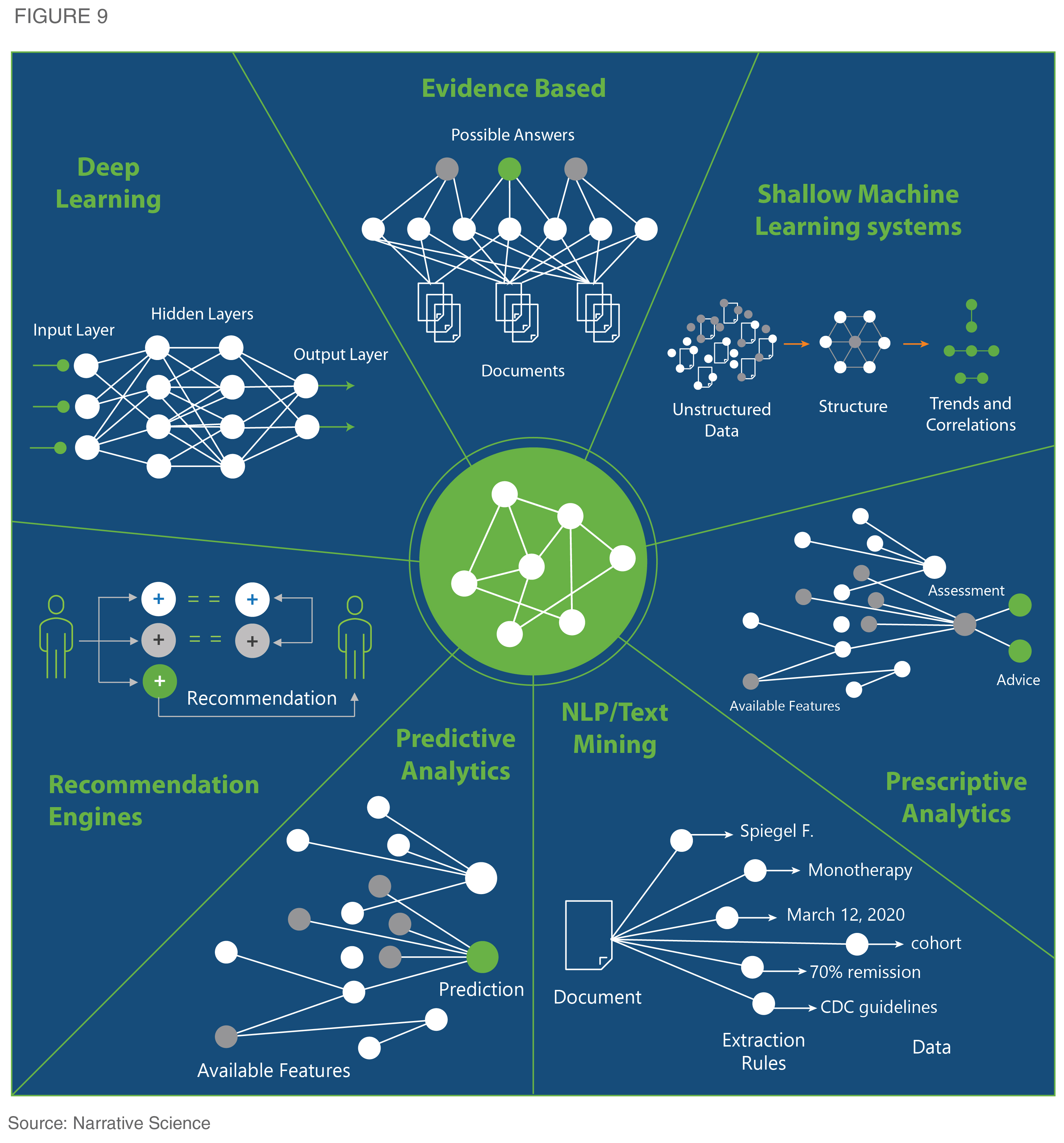
The combination of the life sciences data sets used to train algorithms, the level of sophistication of the cognitive service, and the solution’s integration with the rest of the ecosystem can significantly affect the value of an AI-powered solution as it directly impacts the quality of the suggested actions. For that reason, offerings such as the “Next Best Action” do not always live up to their hype. Recommendations generated by a rules-based algorithm relying on a siloed channel database would not be regarded as “intelligent” insights by a sales representative in the field. On the contrary, it would result in costly unidimensional recommendations that could have easily been predicted by the rep.
For example, a sales or medical representative receiving a recommendation to send an email to a physician may be based on siloed and fragmented data, making the recommendation unidimensional and likely predictable by the rep.
Herein lies the importance of partnering with the right tech vendors in the life sciences space. When you start evaluating AI-powered systems that can elevate the efficiency of your representatives and the overall CX you are offering, look for solutions that:
- help you move toward a unified data system
- deliver robust predictions based on real-time data
- offer recommendations that are backed by sufficient explanation to guide decision-making
Source: Omnipresence
