and Prepare for the Future in Life Sciences
How to Become a Successful Data-Driven Organization
Despite dealing with life and death, the efficiency of life sciences has been on the decline since the 1950s, making it one of the most inefficient industries at present.1 The industry is well aware of its shortcomings and is working to overcome them by employing a wide range of technologies and hiring more digital leaders. COVID-19 presented the perfect opportunity for life sciences organizations to act swiftly and incorporate more digital channels and technologies that help increase their teams’ efficiency and improve the overall customer experience. However, the “move to digital” has exposed the need to solve another major pain point: data management.
Although companies in the landscape are generating large amounts of data, which are projected to increase at an exponential rate, they have failed to effectively monetize on their data. In a recent survey, more than 40% of life sciences professionals admitted that their CRM data cannot support comprehensive digital healthcare professional (HCP) engagement, and around half agreed that they need a better ability to build channel insights into digital workflows.2 As such, most digital initiatives either struggle to reach a viable scale or fail because of barriers related to inflexible legacy IT systems that are incapable of ingesting all forms of data and therefore hinder a data-driven approach.3
If you’re a Chief of IT (CIO), a Chief of Data (CDO), or a VP of Commercial in life sciences, this article is for you. Read on to learn how a successful data-driven organization will look like in the near future, what main obstacles you’ll need to overcome, and what key technologies and strategies can prepare your teams for the next normal.
Omnipresence Content
AI-Powered Potential
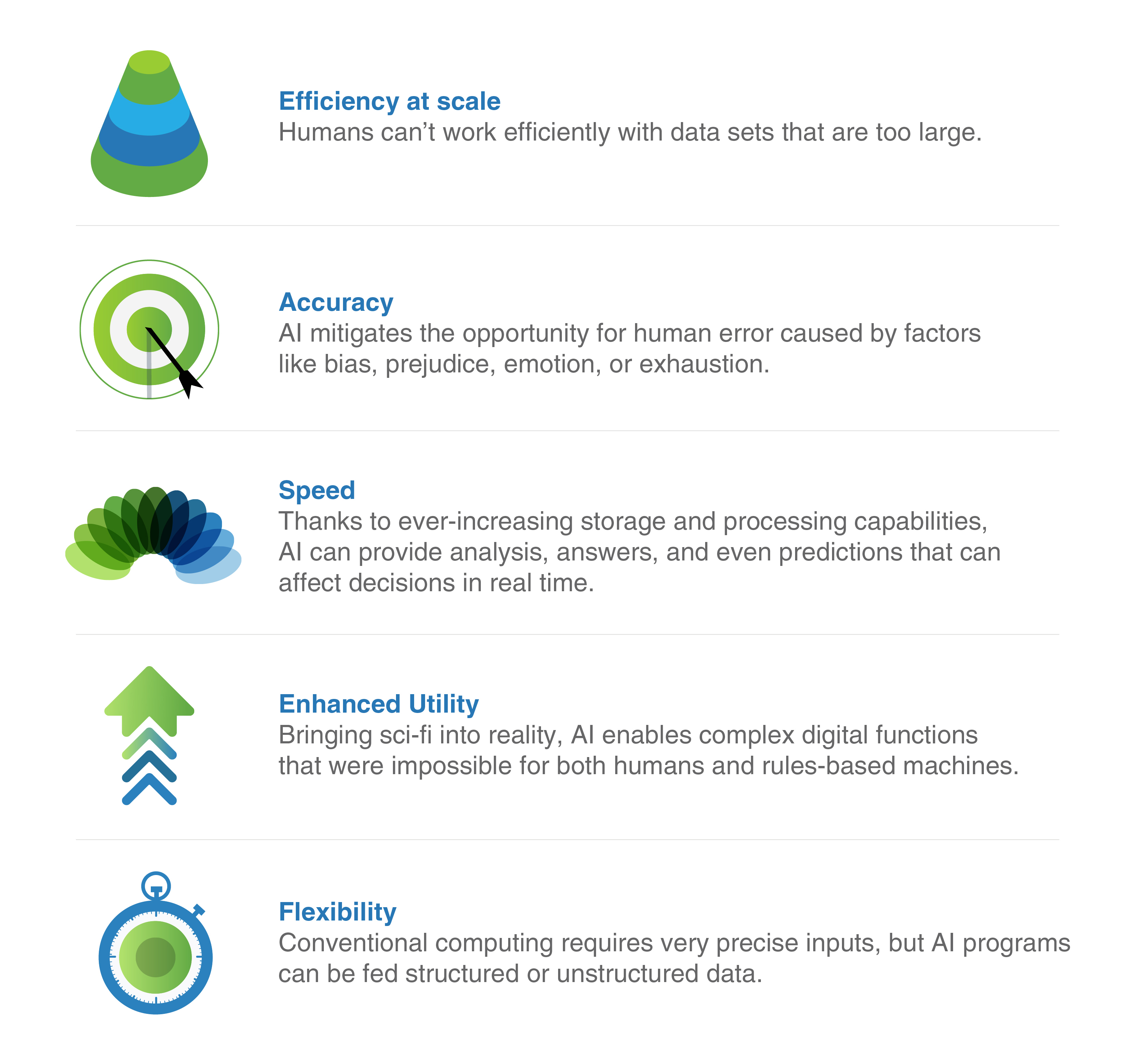
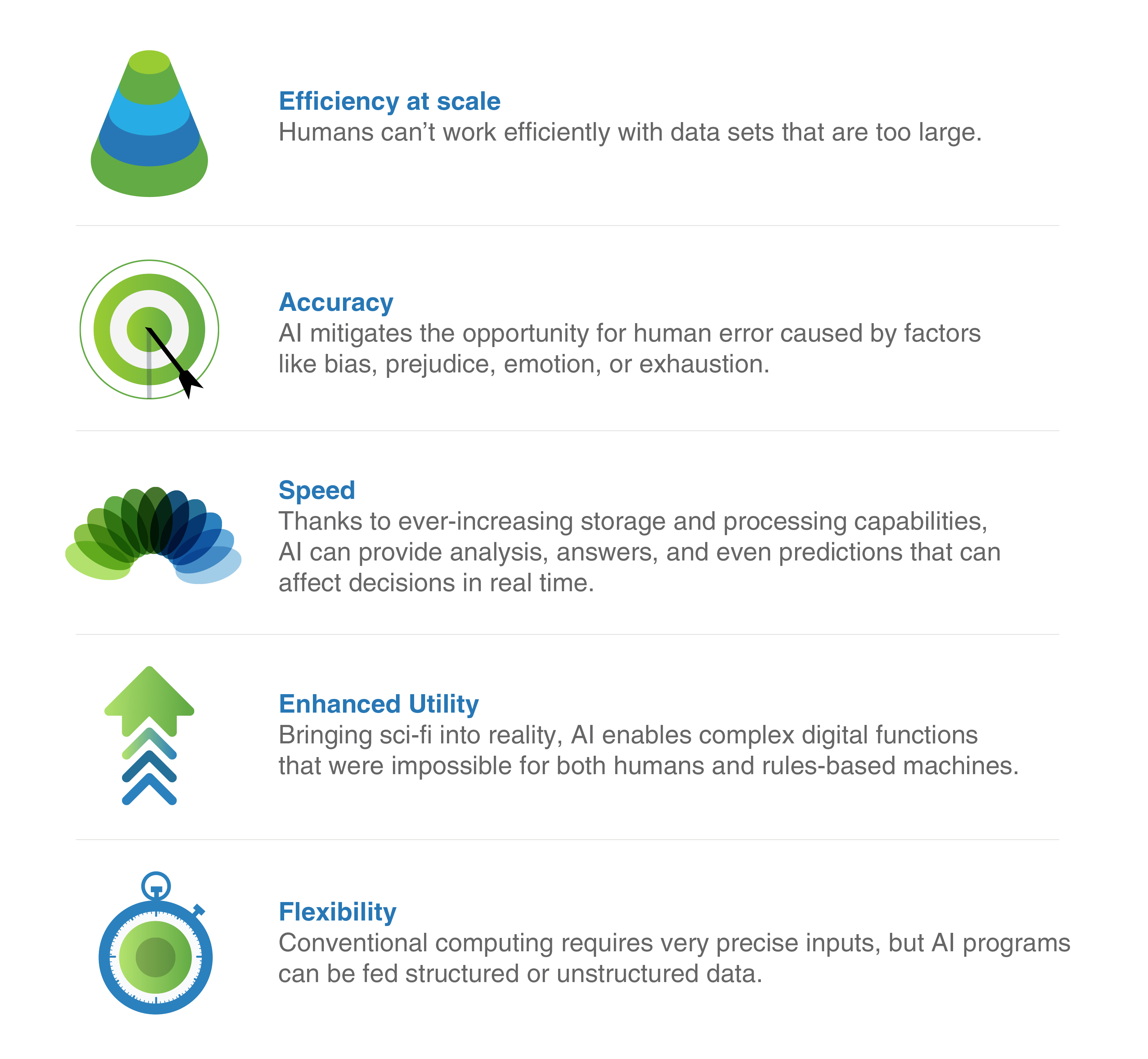
Seeing how life sciences is currently one of the most inefficient industries, with a steady decline in efficiency since the 1950s, focusing on harnessing the potential of AI as soon as possible can be the means for us to turn things around.1 Here’s how AI can help5:



Life Science CIOs: Identify Essential Data and Analytics Capabilities to Improve Commercial Effectiveness
19 October 2020
Legacy data and analytics solutions do not meet emerging marketing demands for multichannel targeting, dynamic forecasting and real-time insights to drive growth. Life science CIOs should use this research to identify essential capabilities to modernize their commercial intelligence capabilities.
Key Findings
- Legacy data and analytics solutions cannot meet the needs of commercial operations teams. Commercial teams demand timely access to data in order to generate effective and timely insights that in turn will allow them to assess brand performance and identify opportunities for growth. [...]
Hype Cycle for Life Science Commercial Operations, 2020
6 August 2020
This Hype Cycle helps life science CIOs identify and prioritize the most strategic and relevant technology investments to transform the commercialization of therapeutic products. CIOs should use this research to understand the business value, maturity levels and adoption rates.
Analysis
What You Need to Know
In 2020, we have revamped this Hype Cycle to focus strictly on technologies and technology-related ideas that will yield the greatest revenue growth and commercial efficiency gains. They support life science commercial operations functions, such as sales, marketing, market access and patient assistance. All noncommercial-focused profiles have been moved to “Hype Cycle for Life Science Manufacturing, Quality and Supply Chain, 2020” and “Hype Cycle for Life Science Research and Development, 2020.” [...]