and Prepare for the Future in Life Sciences
The State of Data in Life Sciences
“In the Digital Age, Our Data Is Currency” – Forbes Technology Council 4
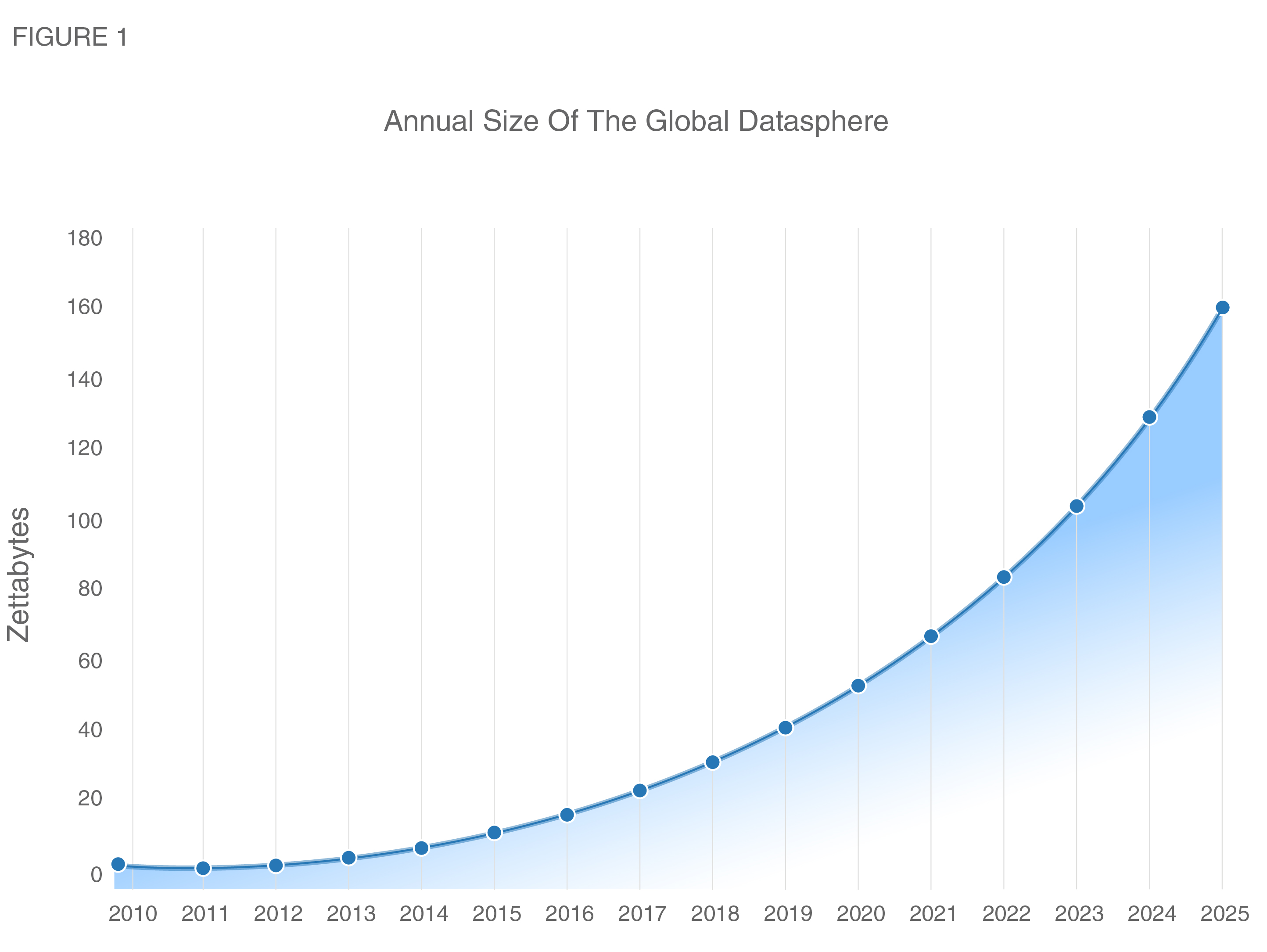
We are in the age of “Big Data.” Due to the advent of cloud computing, social media platforms, smartphones, wearables, and IoT (Internet of Things), we are set to generate unimaginable amounts of data. By 2025, the global amount of data is expected to reach 163,000,000,000,000,000,000,000 bytes or 163 zettabytes of data per year. Yet, life sciences organizations are struggling to put their data to good use.5
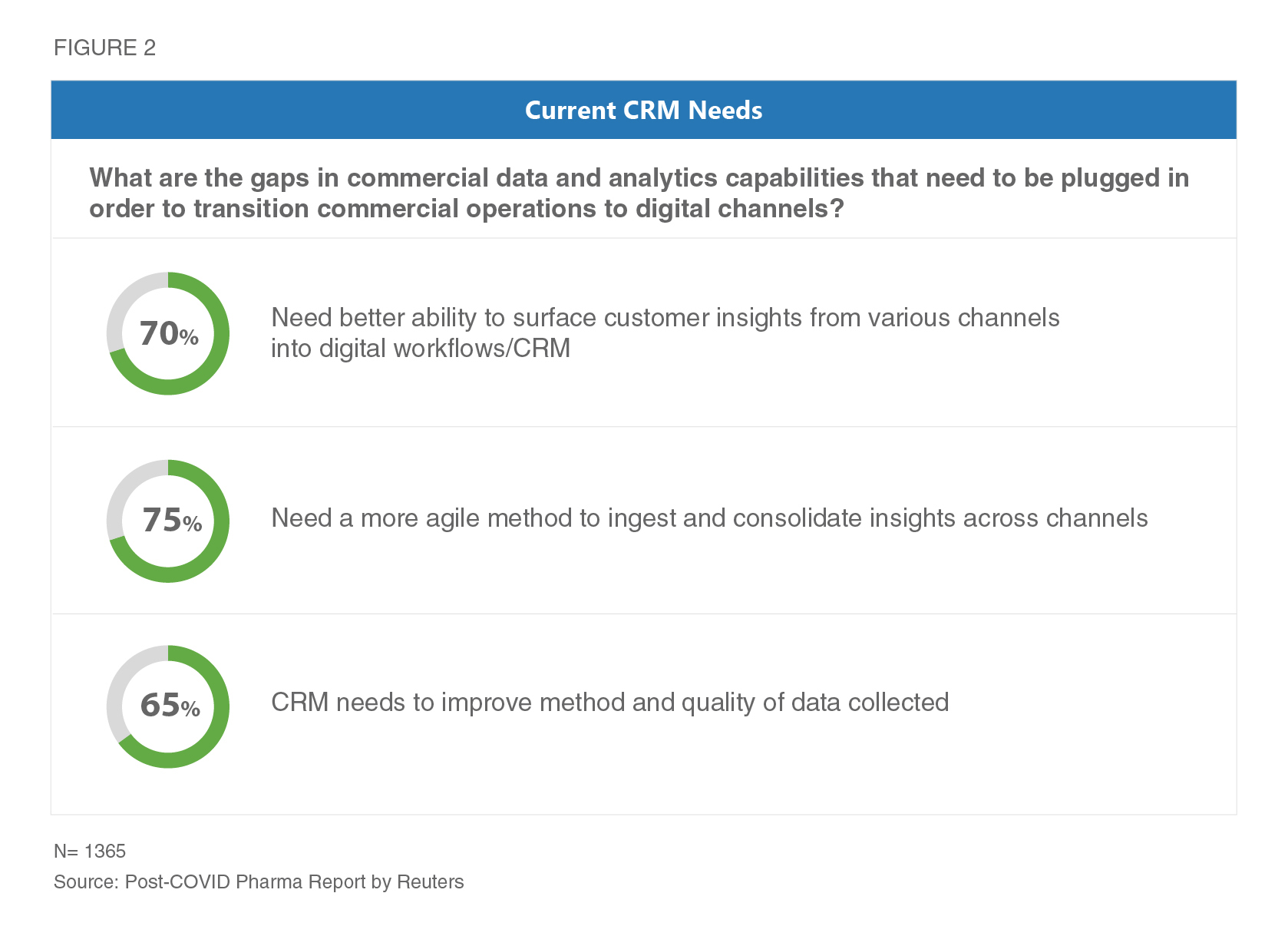
In a recent study by Verndale, 85% of life sciences professionals reported a lack of real-time customer insights as an organizational challenge, despite the large amounts of data generated by the industry.6 A study by Reuters Events conducted in April 2020 painted a similar picture7:
The main reasons behind this disconnect are outdated technological infrastructure and a lack of built-in cognitive services on the backend that ensure all forms of data can be turned into customer insights. According to McKinsey, digital initiatives from life sciences organizations are often fragmented and unable to overcome the barriers presented by inflexible legacy IT systems.3 These same systems that life sciences have relied on for years lead to data silos and disconnected internal communications, making it impossible for organizations to maximize the benefit they can get from their data. As a result, commercial and medical teams are working in silos, unable to build on the valuable insights that each of them gathers. This disconnect across functions leads to a disjointed experience for frustrated HCPs and patients.
Currently, most life sciences organizations are relying on patchwork infrastructure consisting of add-on technologies and solutions. Even though each of the solutions employed serves a specific purpose, having a plethora of add-on technologies leads to complicated integrations, increased costs, and more headaches for the IT department. More importantly, as these tools are not interoperable, they exacerbate the problems caused by data silos. That’s why leaders in this space will need to address the root cause of this problem and upgrade their tech infrastructure to allow for a better data-driven approach. Without a significant effort in data cleansing, integration, and management, the effective use of advanced features such as AI-powered analytics and intelligent automation will not be possible.8
Interoperability and Unification of Data
Customer Experience Is the New Competitive Battlefield – Gartner 9
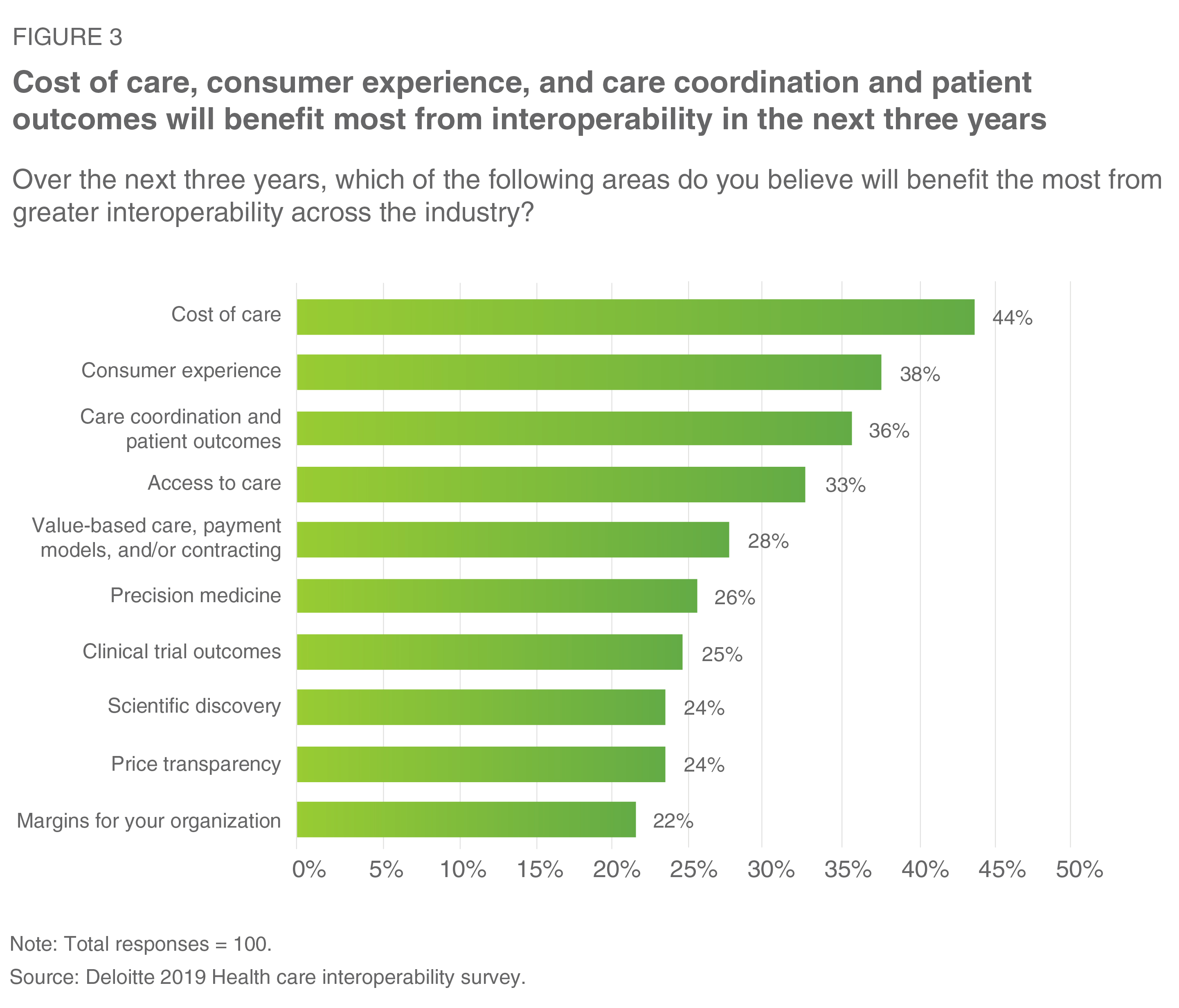
The current goal of life sciences organizations is clear: offer HCPs and patients seamless customer experience (CX). Achieving that level of CX requires frictionless hand-off of customer data between departments. In other words, it requires interoperability, which, according to Deloitte, will become a linchpin to the healthcare industry by 2040.10 The benefits of interoperability expand far beyond better customer experiences. In fact, interoperable platforms and data have the potential to transform nearly all aspects of the healthcare system and ultimately drive better health outcomes (Figure 3).10 The same benefits apply to life sciences organizations and their ability to positively impact HCPs and patients.
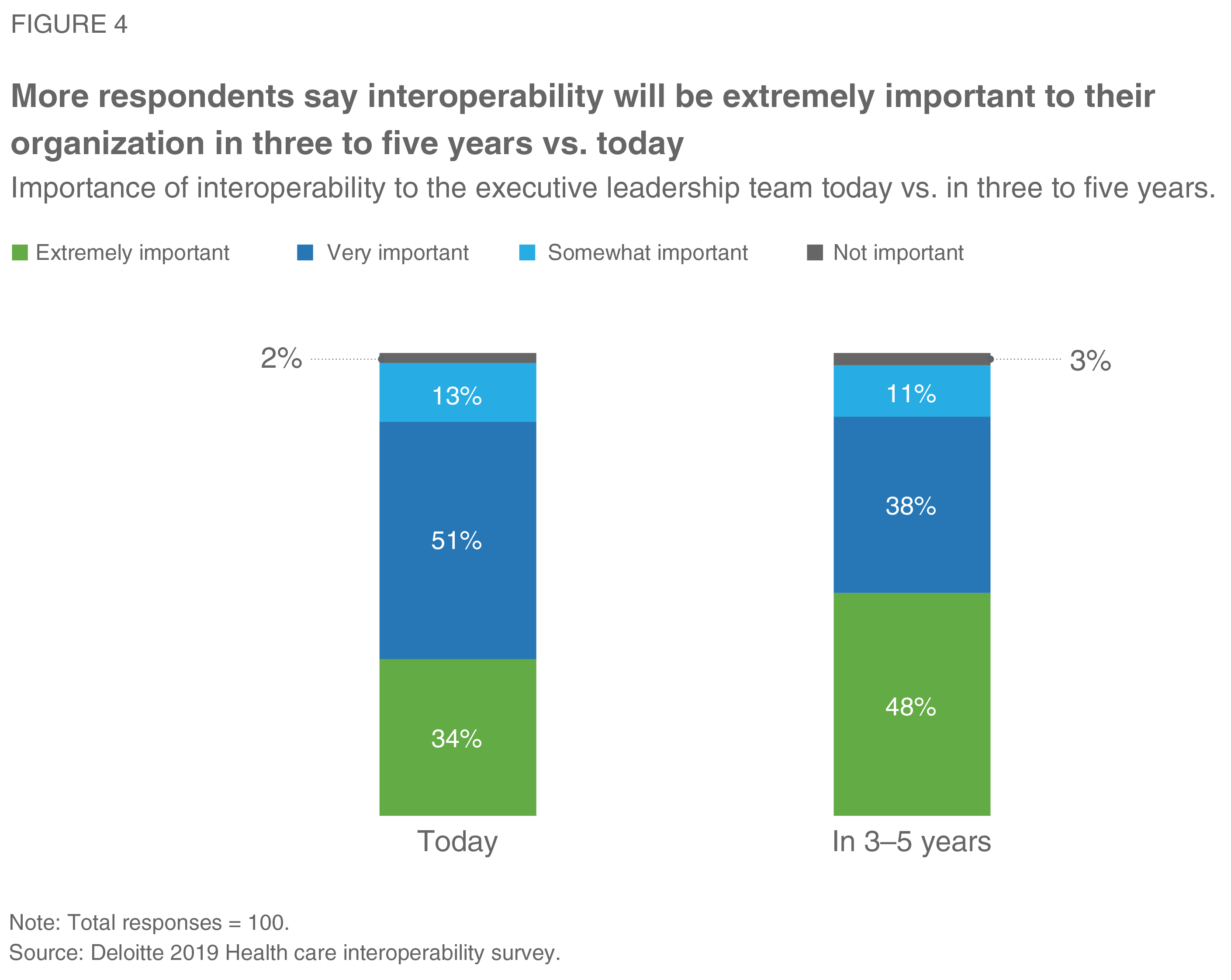
A prime example of the benefit of interoperability for life sciences organizations is the collaboration between Eli Lilly and Microsoft.11 By relying on the unified Microsoft ecosystem of tools and applications, the R&D department at Eli Lilly was able to achieve real-time collaboration between different teams and increase productivity as well as the effectiveness of their drug discovery efforts.11
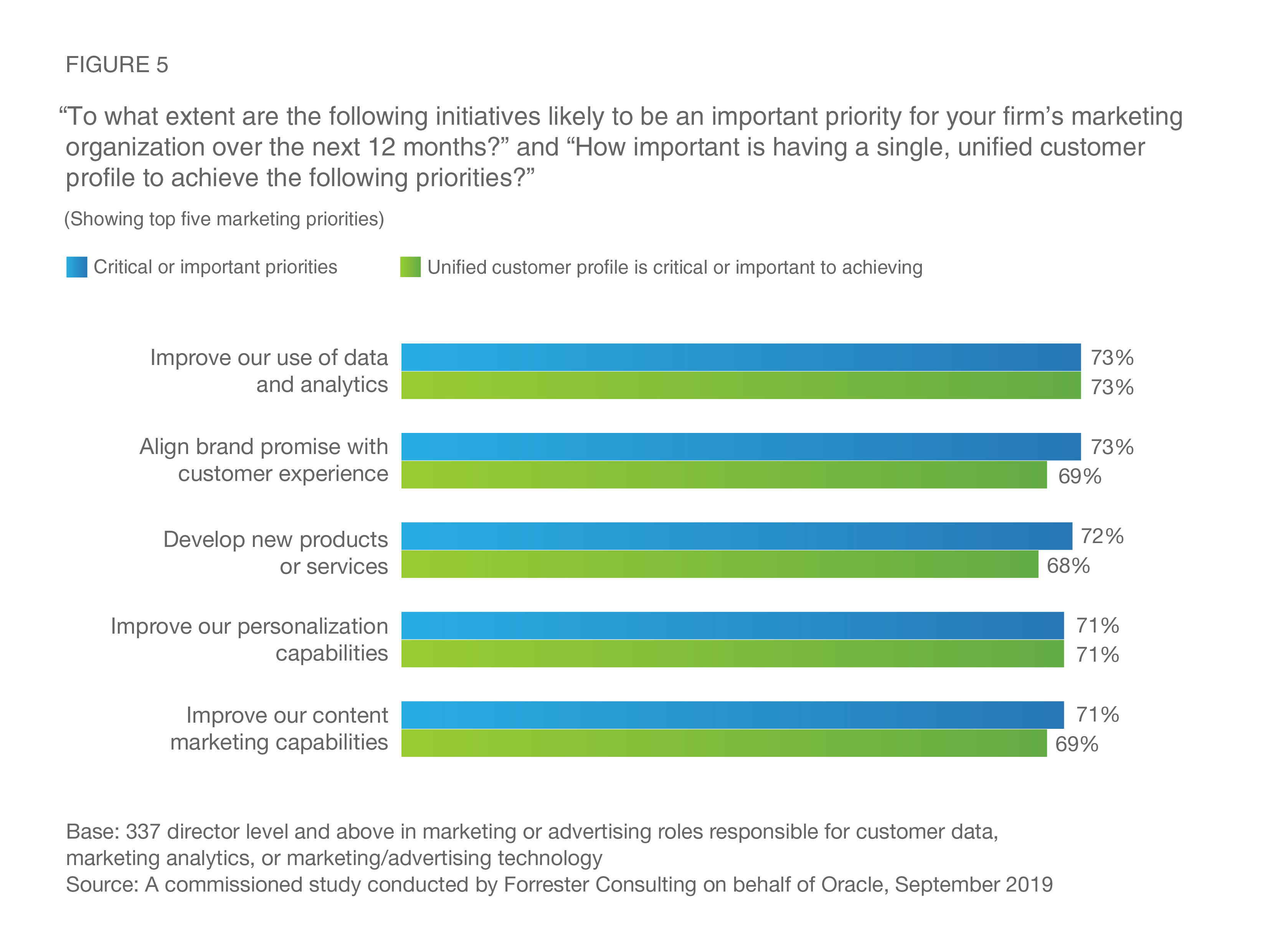
In addition to interoperability, achieving frictionless collaboration between departments necessitates a unified view of the customer, which, in turn, depends on trusted and unified customer data.12 The importance of unified customer profiles cannot be overstated, and CX leaders in other industries are already well aware of its tremendous value. In a recent study by Forrester, 73% of director level and above respondents said that a unified customer profile is critical to improve their use of data and analytics, among other benefits (Figure 5).13 This same study concluded that firms effectively using a unified customer profile are 2.5 times more likely to have increased customer value.13
Given that a unified customer profile for all departments by definition requires a unified data system, data silos created by legacy IT systems are an obvious hindrance to offering high-quality CX. As a result, many life sciences organizations are turning to Master Data Management (MDM) solutions in an attempt to pool the data they’re gathering from multiple sources.12 But simply grouping your data in one location will not magically transform your organization into a data-driven powerhouse. There should be significant effort spent to ensure the uniformity, accuracy, stewardship, semantic consistency, and accountability of the official shared customer master data assets, which in turn requires interoperability.12
In summary, it will not be enough for you to look for technologies that solve some of the individual areas you’re looking to improve. An MDM alone or a unified customer profile alone will not be sufficient to empower a data-driven modern workplace, especially if you’re relying on a legacy CRM system. Elena Bonfiglioli, Regional Business Leader, Health and Life Sciences EMEA at Microsoft, summarized it best:
“Digital interactions will be data-driven. If they are going to be data-driven, they will only be successful if there is an underlying interoperability of the solutions employed. There is no other way. We need to come to terms with a shift from a plethora of beautiful point solutions to an integrated underlying platform.” 14
Source: Omnipresence
