Rise to the Challenge and Reap the Benefits
Pillars of Modern CXM Technology
Gartner defines CXM as “the practice of designing and reacting to customer interactions to meet or exceed their expectations, leading to greater customer satisfaction, loyalty, and advocacy.”13 CXM-driven strategies and solutions go well beyond the typical personal and non-personal transactions that are still the norm in life sciences. Commonly faced realities in at least 5 key areas reveal more about the challenges with the prevalent transactional approaches.
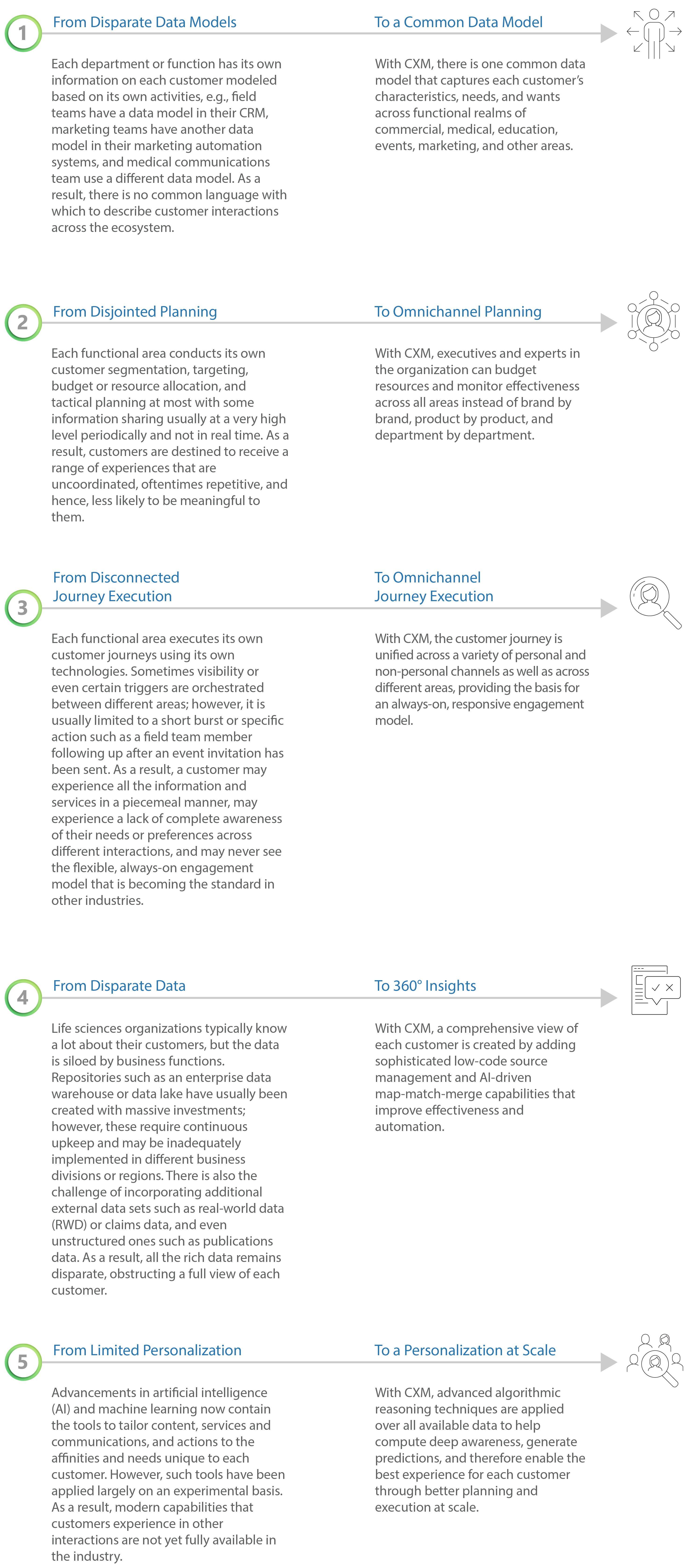
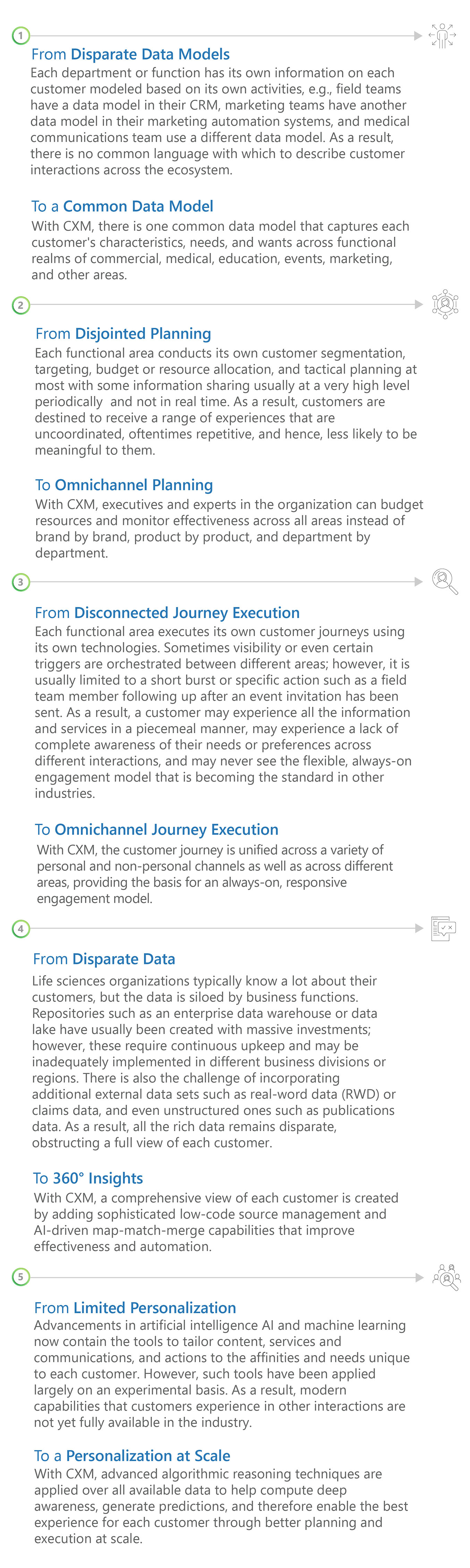
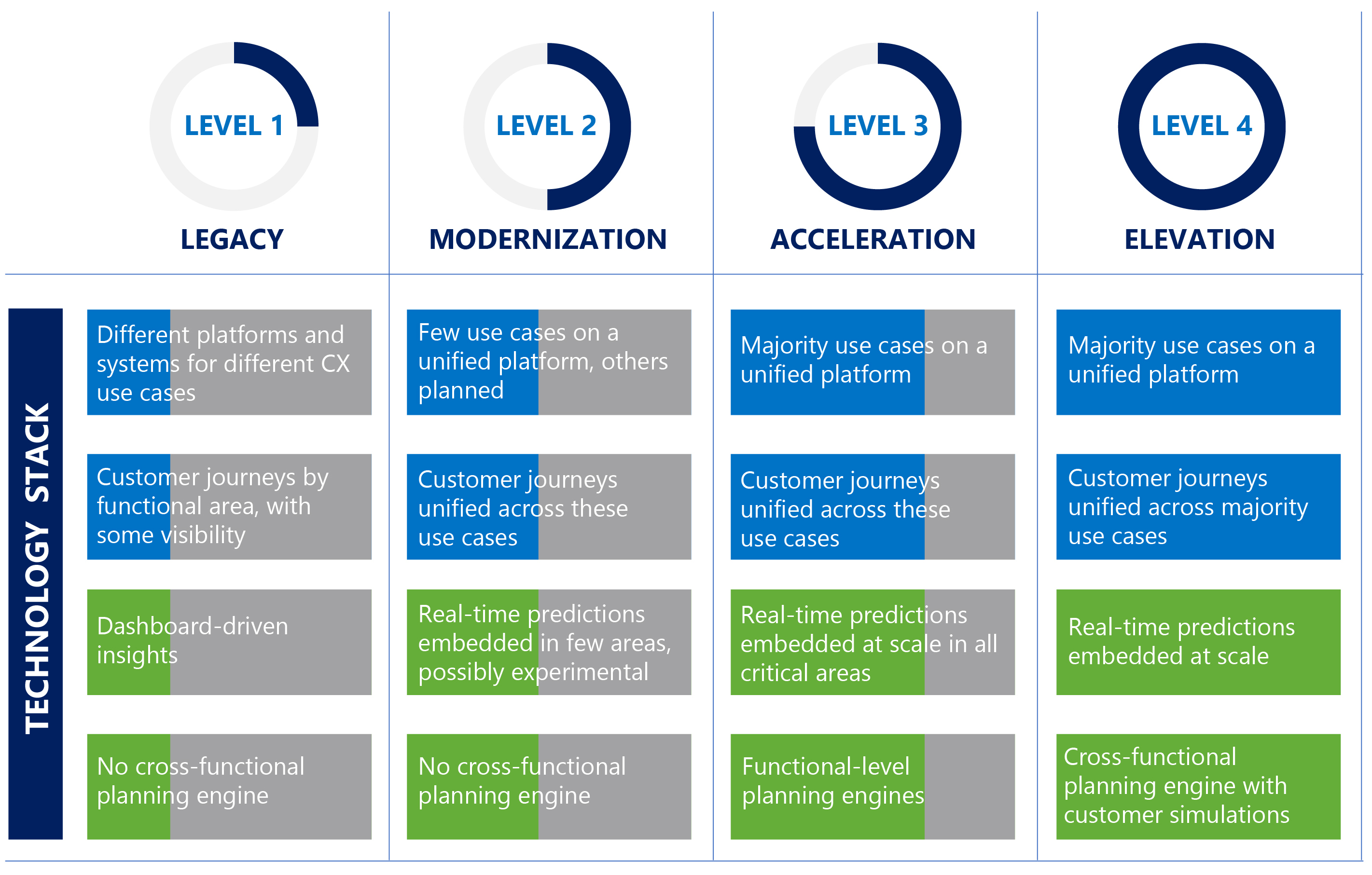
By recognizing and overcoming challenges in these 5 areas, life sciences organizations could narrow the gap between customer expectations that are evolving beyond transactional interactions and a meaningful CX. Incorporating these pillars into legacy application stacks, platforms, and organization designs is, however, a difficult struggle.14 The obstacles that would be faced include data silos between functional areas, coordinating customer interactions and satisfaction across multiple business processes, lack of real-time planning across brands and product lines, and post facto understanding of customer behaviors with unscaled advanced techniques such as machine learning or AI.15 There is also a technological challenge in legacy applications like the CRM and multichannel marketing (MCM) systems. The underlying architecture, the method of implementation, adoption process, and licensing formats can interfere with a CXM strategy.
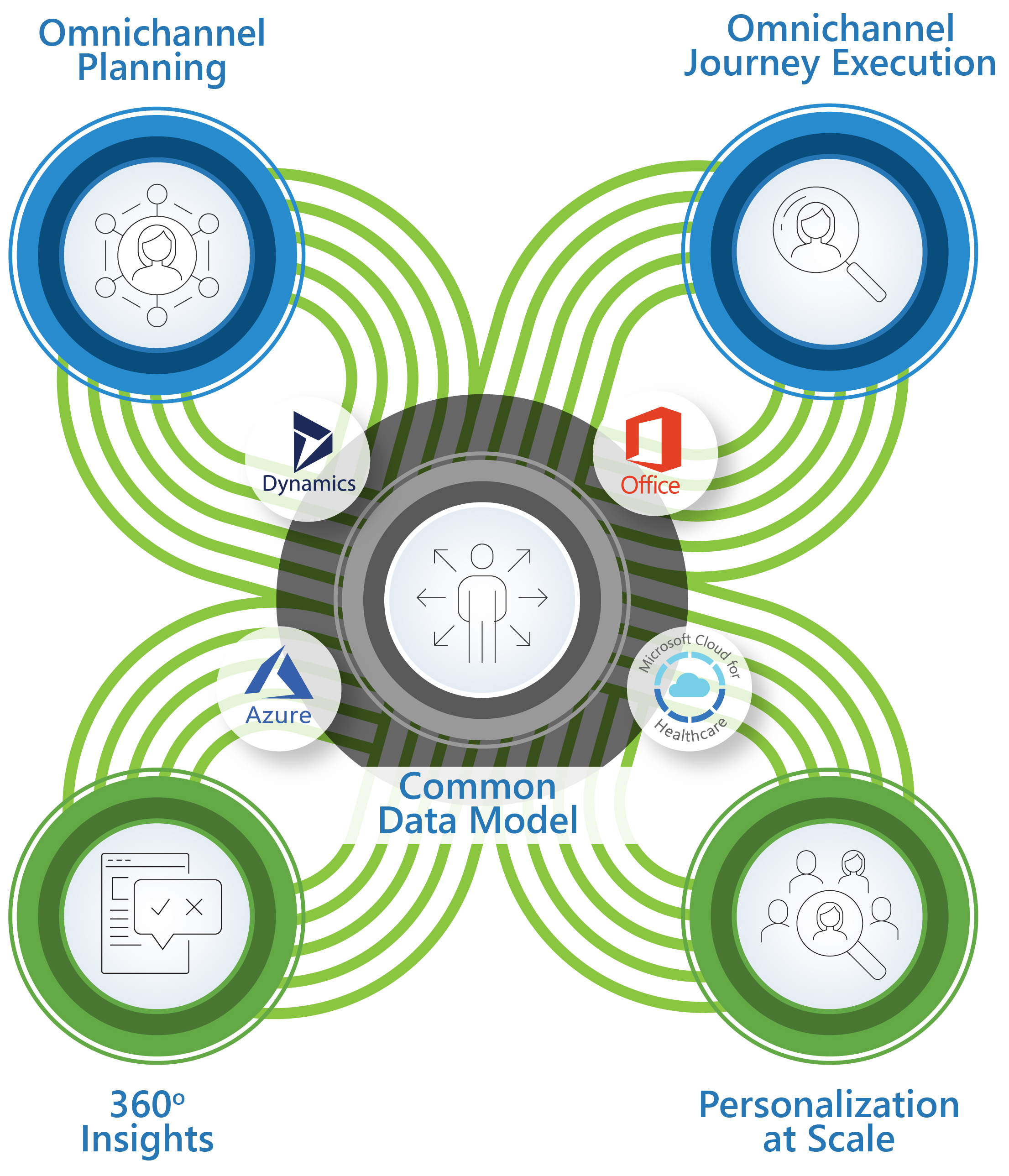
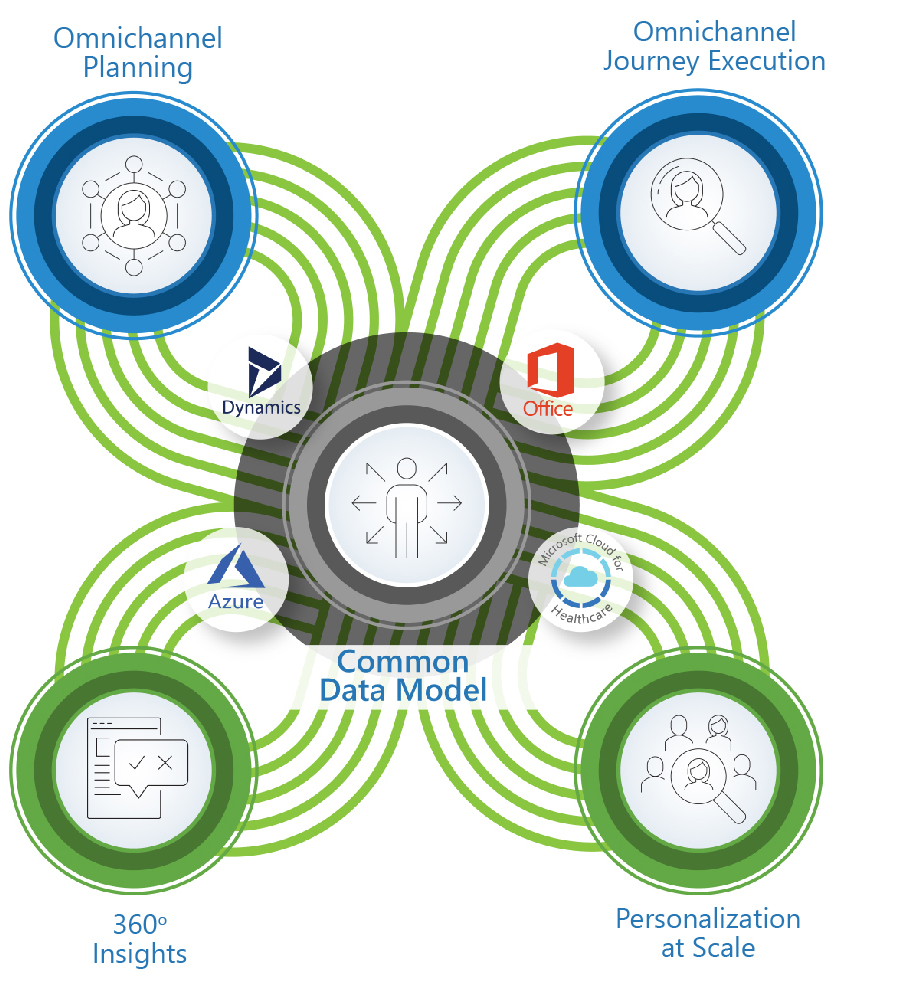
A recent Reuters survey reported that 75% of respondents need a more agile method of ingesting data and consolidating data to derive insights across channels and that around 30% of organizations are considering changing their CRM.1 Given the instrumental role a CXM strategy can have in elevating the customer experiences delivered by life sciences organizations, appropriate mitigation of these challenges is essential during technology evaluation.
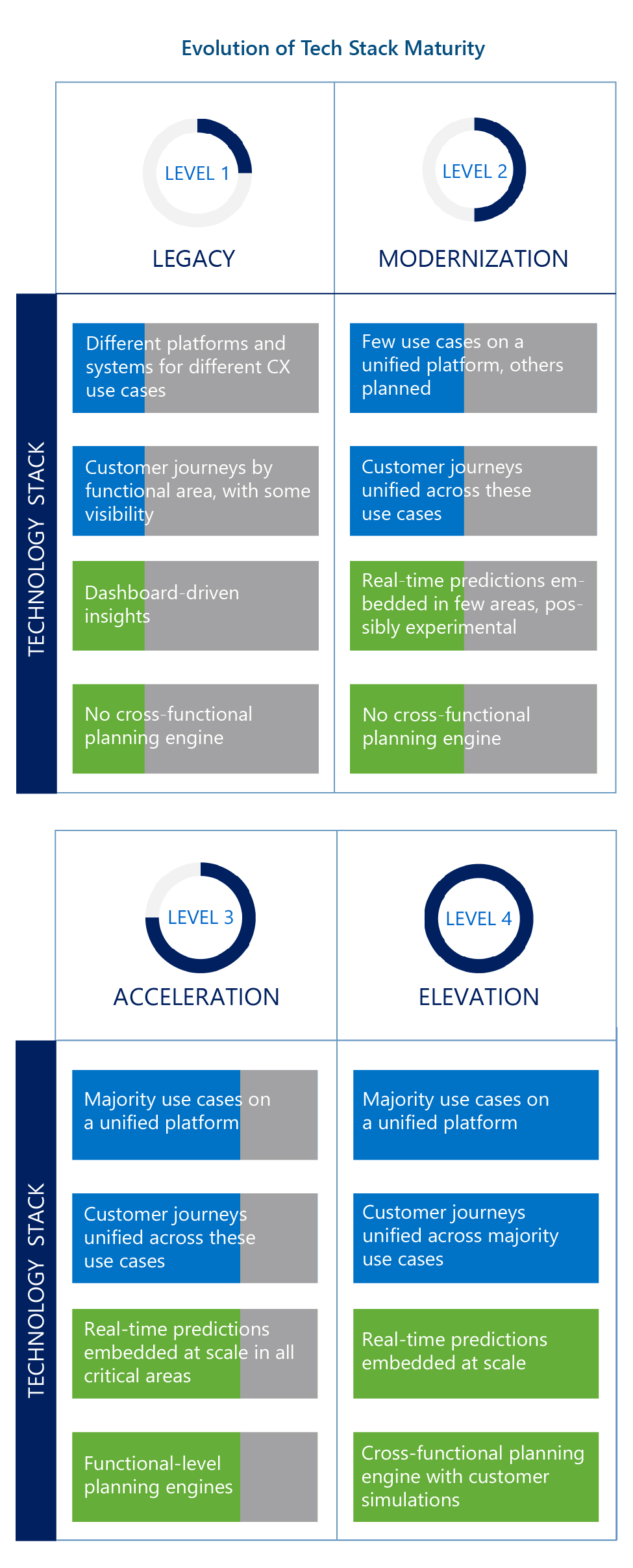
Evolution of Tech Stack Maturity
Overcoming CXM Challenges
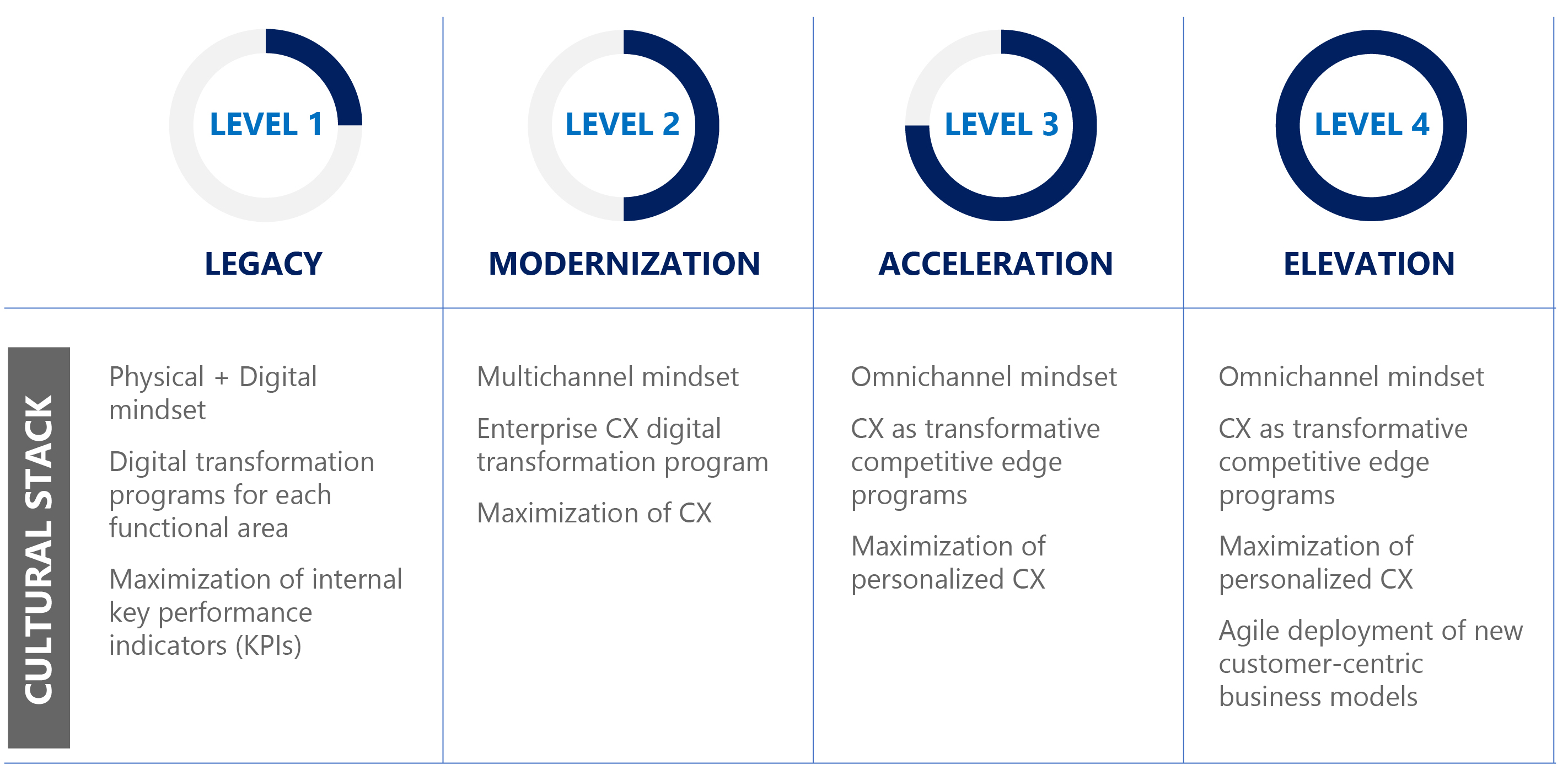
Life sciences leaders have already expressed a sense of urgency around adopting CXM strategies.15 This urgency is intensified by the immediate and long-term business challenges as well as by the possible societal changes necessary to respond to the COVID-19 pandemic. Yet the main hurdle to adopting CXM strategies is not technology related. Before implementing new technologies, organizations must look at their current culture stack level to identify the progress needed to be made and possible hurdles to overcome.
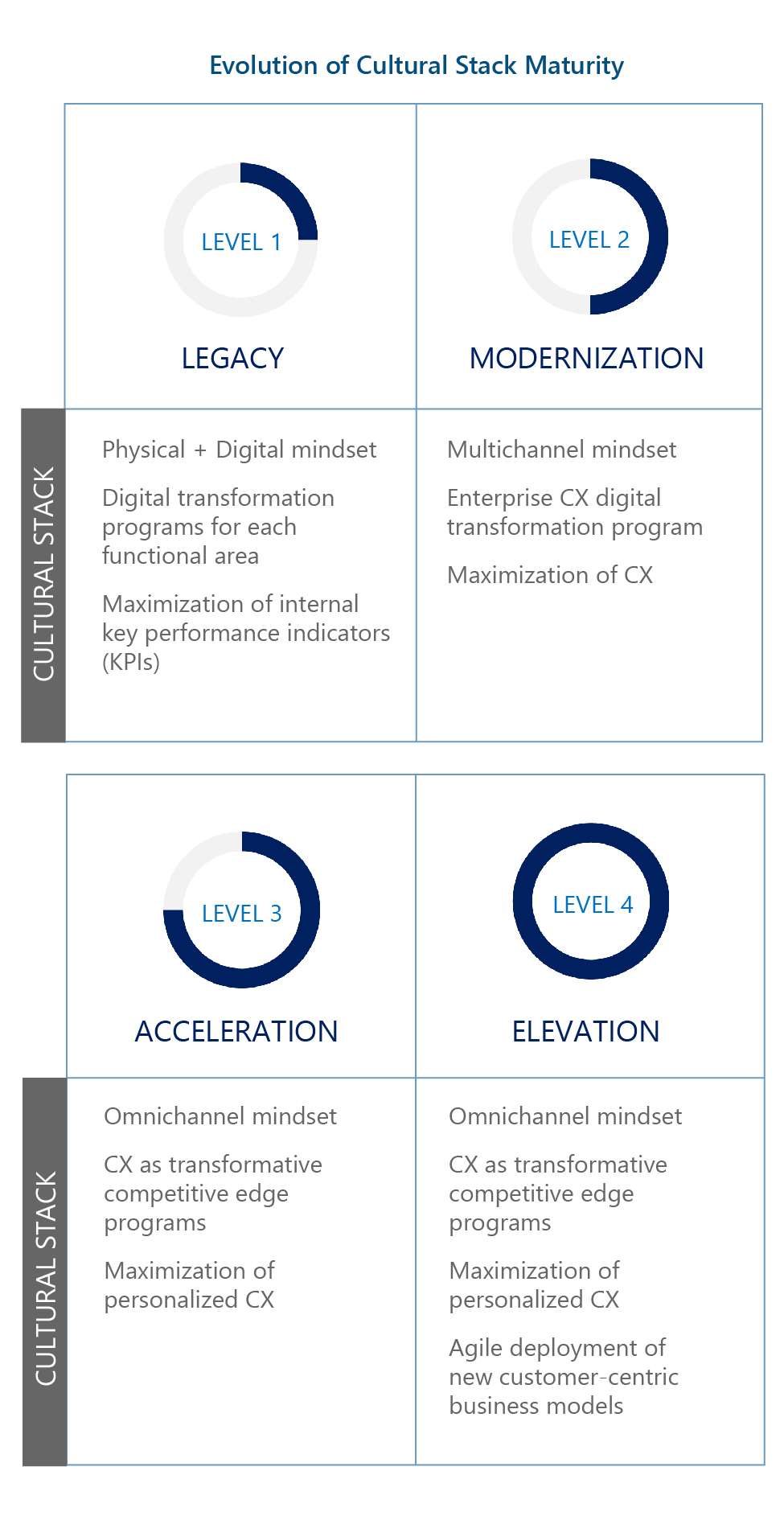
Evolution of Cultural Stack Maturity
According to PwC, challenges to overcome fall into the following 3 categories:
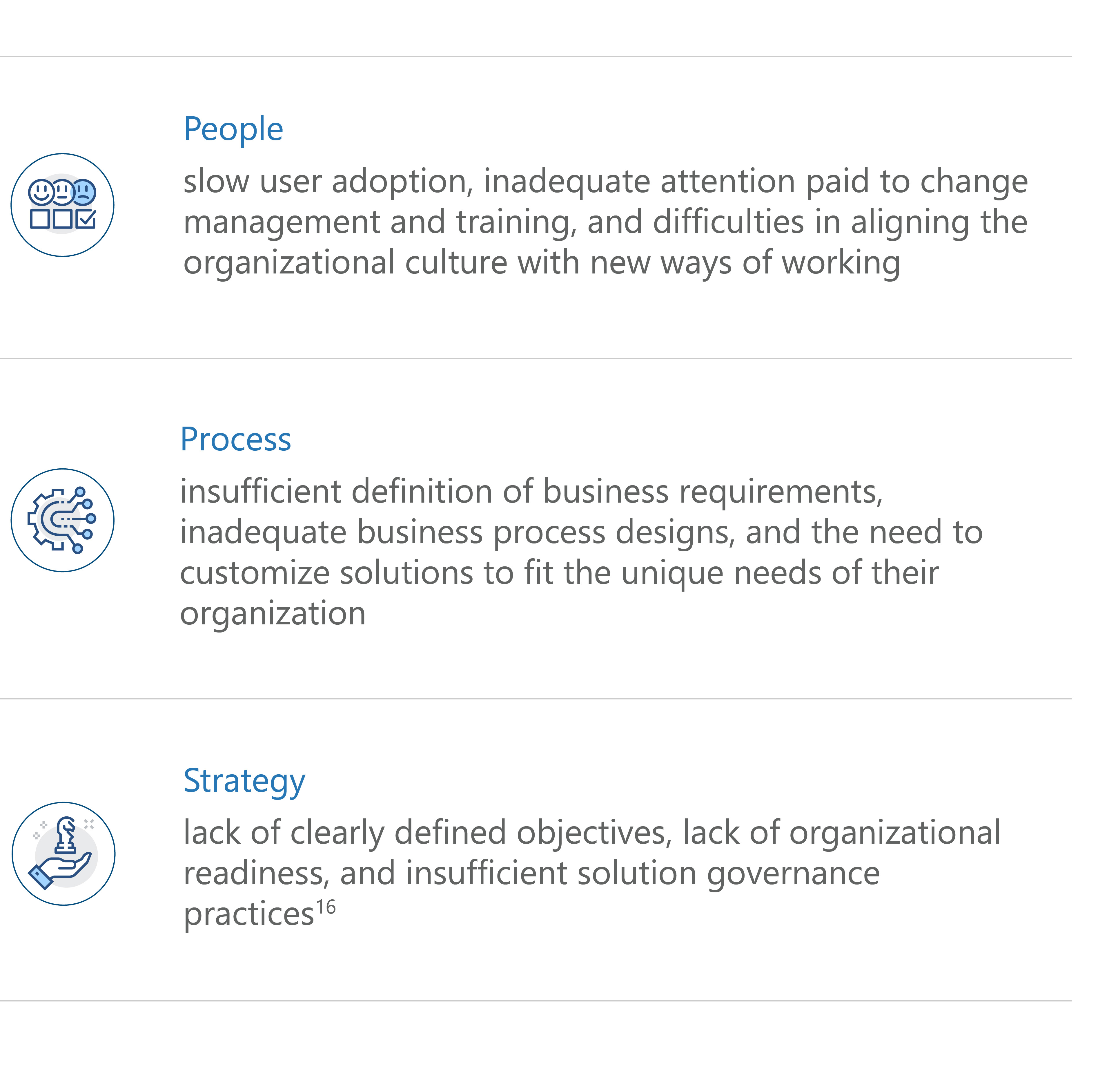
Given the instrumental role a CXM strategy can have in elevating the customer experiences delivered by life sciences organizations, appropriate mitigation of these challenges is essential during technology evaluation.
Overcoming People Challenges
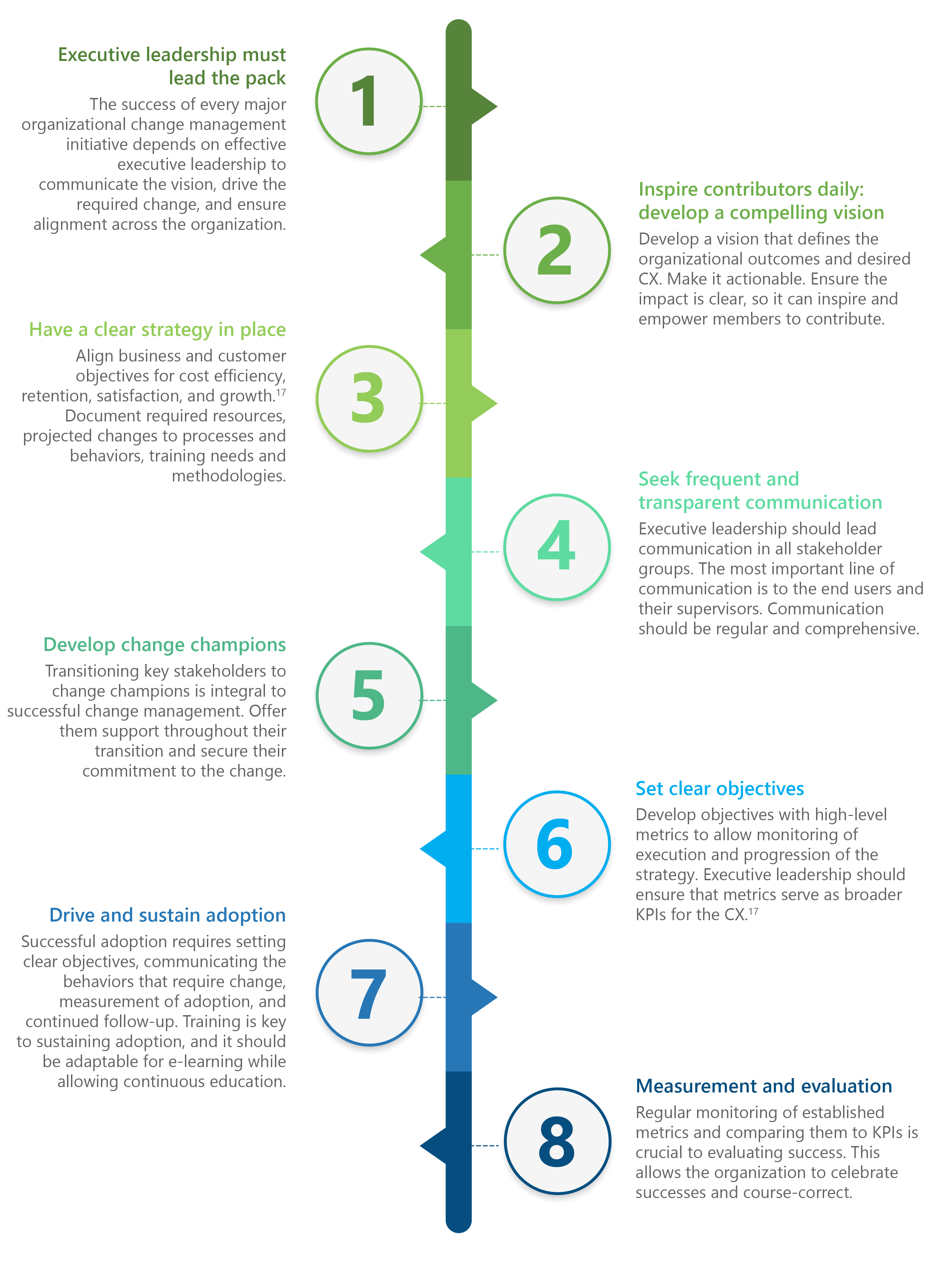
According to Gartner, leading organizations with successful initiatives begin with establishing the correct vision and strategy for the entire organization.17 This means that the successful implementation of a CXM strategy starts at the top. This culture stack includes an appropriate change management plan cascading across all functional areas.
To ensure a successful transition, and adequate employee buy-in to the new strategy, organizations must follow the 8 key elements of change management:
Overcoming Process Challenges
Immature business processes are a leading factor in the failure of a new strategy. Without a process improvement in place, the program may wane.18 Define and design end-to-end processes to mitigate risk across the enterprise. This includes novel processes for commercial teams, marketing teams, medical affairs, and education. This will reduce the friction during implementation, eliminate unnecessary steps, and improve employee adoption rates and outcomes.
Overcoming Strategy Challenges
CXM is not only a technology transformation program. It is also a cultural change for the organization, healthcare practitioners, stakeholders, and patients. An agile approach to strategy could accelerate time-to-value and bring a systematic execution, achieving predictable step-by-step results.
Once a thorough assessment of both the culture and tech stack has been completed, then a clear strategy can be developed and implemented to successfully adopt a CXM strategy and gain an experiential edge over competitors.
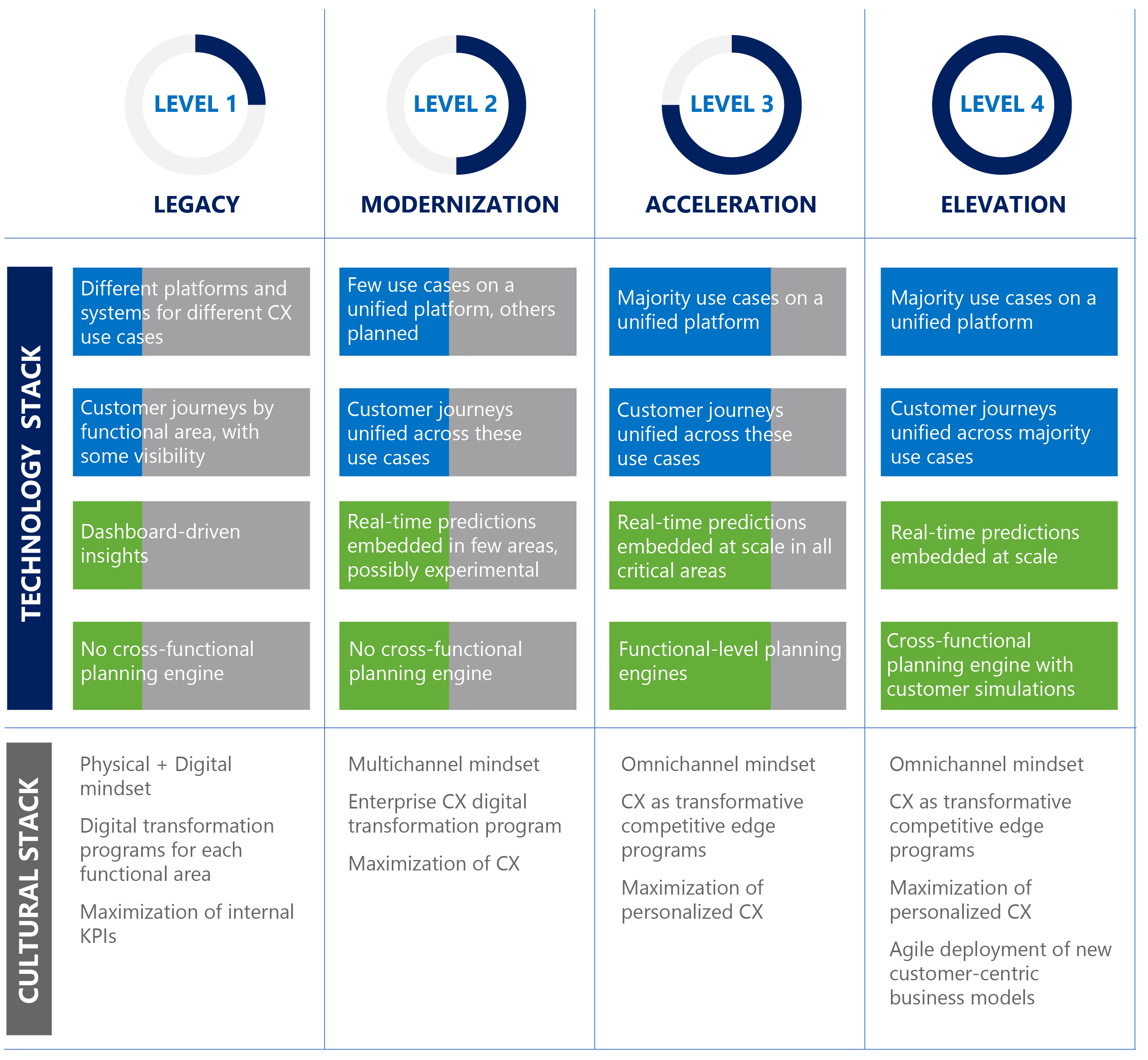
Source: Omnipresence
