The most expensive ERP mistakes happen when software evaluation begins before strategic alignment.
- Gartner client? Log in for personalized search results.
Why do so many ERP projects disappoint?
It’s easier to choose a tool than define a goal. That tendency becomes especially costly during ERP initiatives. CFOs are being asked to make one of the largest technology investments in the organization’s history while defining the future role of finance. In that environment, vendor evaluations, software demonstrations and feature comparisons feel productive because they create tangible progress. As a result, many organizations begin answering technology questions before they have answered business questions.
“Despite the expanded capabilities of modern ERP platforms, 54% of finance software buyers report moderate to high regret following their ERP purchase. This regret often results from prioritizing system features over business outcomes and can lead to costly implementations that merely replicate legacy processes rather than drive innovation,” says Joseph Enever, Vice President Analyst at Gartner.
Many of the decisions that shape ERP success occur long before implementation begins.
You might also like this webinar: A CFO’s Guide to Maximize Cloud ERP Investments
ERP strategy should exist before the shortlist
ERP selection has become a substitute for strategy. Technology selection should validate strategic decisions, not create them.
ERP regret starts early
Many organizations begin ERP programs by gathering requirements, reviewing functionality and comparing vendors. When leadership teams have not aligned on business outcomes, every subsequent decision becomes harder. By the time implementation begins, strategic uncertainty has already been embedded into the project. ERP regret often begins before software is even deployed.
Vendor comparisons reward certainty
Vendor selection processes are designed to compare capabilities. They are not designed to resolve strategic ambiguity. Leadership teams can rank vendors, assign scores and narrow choices. Yet those activities can distract from the more important question: What should finance be capable of doing in the future that it cannot do today? While vendor comparisons reward certainty, strategy requires judgment.
Most ERP projects automate the past
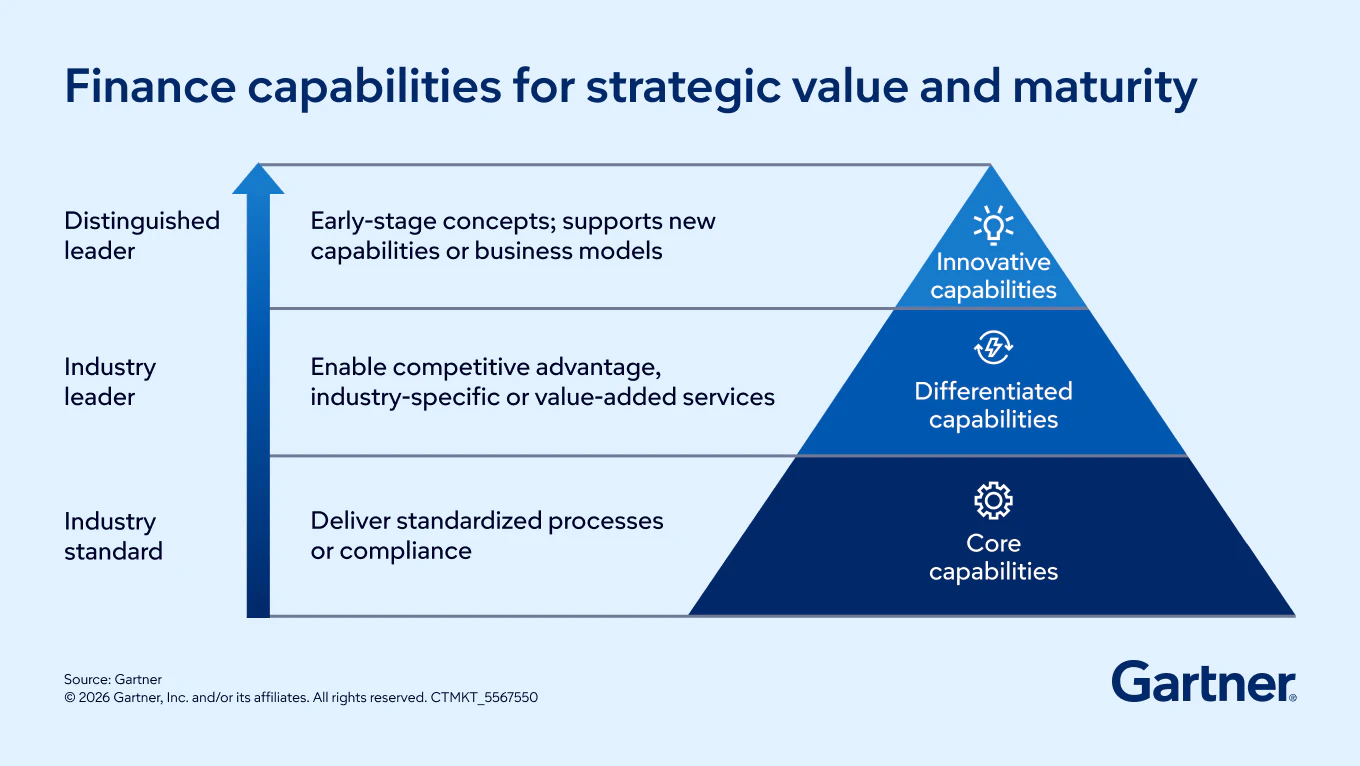
“Capabilities define what finance must specifically do to enable business outcomes, not how finance performs work today through its existing processes,” says Joseph Enever. Organizations that anchor ERP decisions to current processes often automate existing limitations. The result is incremental improvement rather than new business capabilities. On the other hand, organizations that anchor ERP decisions to future capabilities create a platform for new ways of operating, deciding and growing.
ERP strategy FAQs
Why do ERP projects generate buyer regret?
ERP regret often occurs when organizations begin evaluating software before defining the business outcomes and capabilities they expect the investment to support. Technology may be implemented successfully while still falling short of strategic expectations.
When should ERP vendor selection begin?
Vendor selection should begin after leaders have aligned on desired business outcomes and the capabilities finance will need to achieve them. These decisions create the criteria against which vendors should be evaluated.
What is the most common ERP strategy mistake?
One of the most common mistakes is allowing the software evaluation process to shape strategic priorities. Organizations create stronger outcomes when business strategy guides technology decisions from the outset.
How should CFOs approach ERP modernization?
CFOs should view ERP modernization as a strategic capability decision rather than a software procurement exercise. The most important ERP decisions concern the future role of finance, the outcomes the business expects and the capabilities required to deliver them.
Attend a Conference
Join Gartner analysts and your peers to accelerate growth
Gather alongside your peers in National Harbor to gain insight on emerging trends, receive one-on-one guidance from a Gartner analyst and create a strategy to tackle your priorities head-on.
2 – 4 Jun 2027
Gartner Finance Symposium/Xpo™
National Harbor, MD

Drive stronger performance on your mission-critical priorities.