By Wade McDaniel | January 26, 2024
![[ALT TEXT]](https://emt.gartnerweb.com/ngw/globalassets/en/supply-chain/blog/beyond-supply-chain/images/beyond-supply-chain-2601.jpg)
CSCO Outlook for 2027: Cloudy With a Chance of Moderate Growth
October 09 2026


By Wade McDaniel | January 26, 2024
A couple of weeks ago, my colleague Stan Aronow made predictions for 2024, and I’m sure you’ve all been reading your preferred sources (including Beyond Supply Chain) about the coming year. One of my favorite geopolitical commentators has called 2024 “the year that must not be named” a bit glum, to be sure. …
Building on those economic, technology and political themes, here’s my take on 2024 for the chief supply chain officer.
CSCOs have spent plenty of money over the past four years, and our research shows it’s been a bit of a digital disappointment. The C-suite will be much more selective about how capital investment will be made in supply chain in 2024, so leaders need to get more out of what they have.
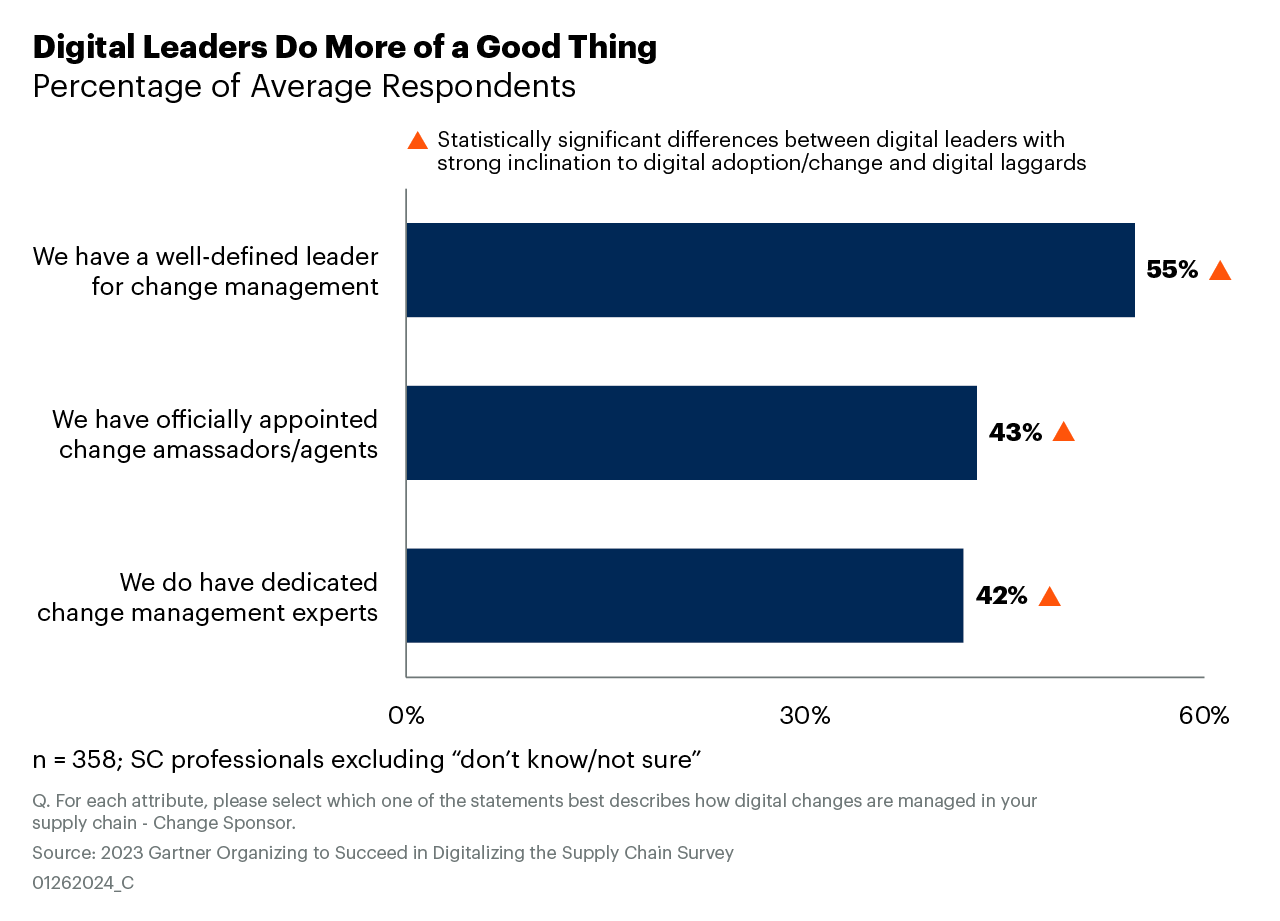
Technology investment is only as good as the ability to get people to leverage it, but it needs to be made more consumable by the humans on your team. The first place to start is good old-fashioned change management. Gartner research shows that leading companies are simply doing more of the right things more consistently.
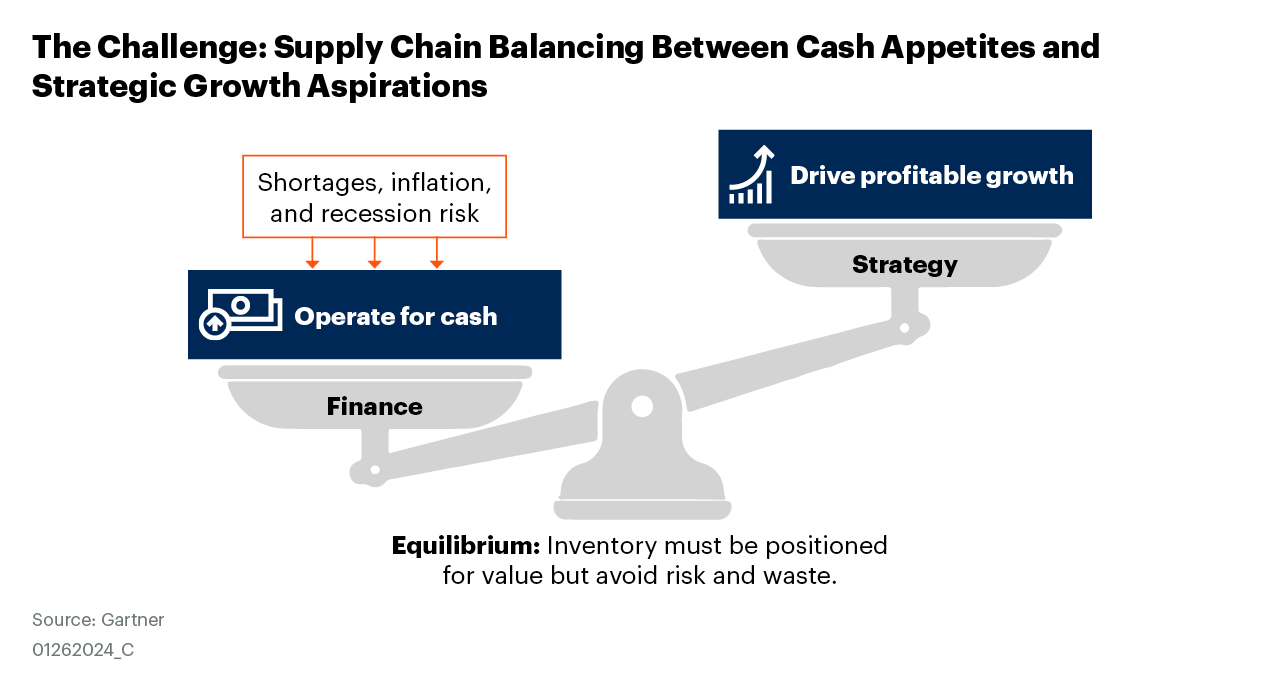
Before you start thinking this is about inventory reduction, hold on. This is about balancing a cash appetite with growth aspirations. Growth is a top priority for CEOs, but in a recent CSCO survey, growth isn’t in their top five. These seemingly opposing forces need to be reconciled. You might think this would also lead to some tension between the CFO and the CSCO, and it should. It’s a good thing. This conversation needs to take place.
Supply constraints are in the rearview mirror (but objects are getting bigger as of late) for the most part. And there would be a tendency to try and convert inventory to cash. But this needs to be resisted.
What will come of this? An equilibrium that not everyone is happy with but is good for the business overall.
Back in December 2023, I said this to our CSCO community: “The ship might have sailed for getting a lower box price in 2024.” We might all agree that climate and geopolitical events over the past couple of weeks have confirmed that the ship has sailed surprisingly fast.
For many, freight has jumped to the top of their priority list. Long-term contracts are out of reach for now, surcharges are everywhere, and container availability is again a concern.
Rain or peace could bring quick relief to ocean transport in 2024, but be prepared for swift shifts for good or ill.
Our CSCO community survey at the end of 2023 found that sustainability is low on its list of priorities for 2024. But this doesn't mean it can be ignored; climate extremes are here.
Swiss Re reported that 2023 will see record-high insured losses of $60 billion due to severe thunderstorms. This is a result of high-frequency, low single-digit billion-dollar events. In other words, plain, old nasty storms that badly damage infrastructure are happening more often.
In contrast, climate can intersect with Thing 3 (logistics) when it doesn’t rain enough. Low water levels in 2022 might seem like a distant memory, but in the U.S. Midwest, central Europe and China, it adversely impacted barge capacity, which ran aground on Thing 2, working capital. Corporate revenue was negatively affected due to the resulting delays and inventory shortages.
The current headline example is the Panama Canal's reduced capacity, which is having a similar impact.
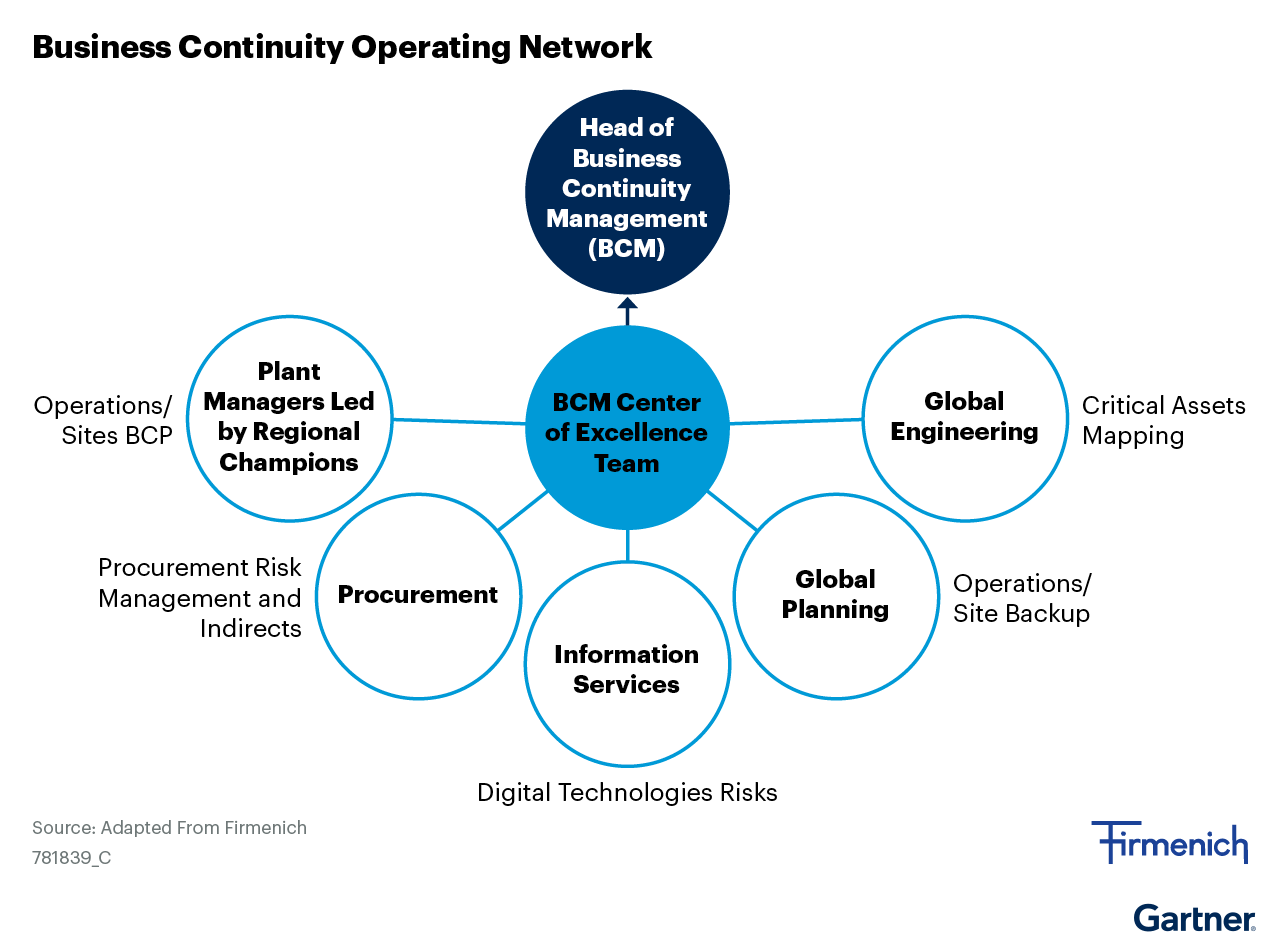
CSCOs must continue their work on GHG reductions but must also prepare and defend their supply chains for what will hit them now. Robust business continuity capabilities are now minimum requirements for the business.
This topic doesn’t hit the CSCOs’ priority radar, but that doesn't mean they can avoid being hit. Dark Reading reported in December 2023 that in the prior 12 months, 54% of industrial firms were hit with a ransomware attack.
Gartner's research shows that CSCOs rely on the CISO for cybersecurity, including third-party risk, a.k.a. suppliers, contract manufacturers and so on. However, this doesn’t solve the problem of a physically disrupted supply chain from a cyberattack.
When all else fails … think downtime procedures. This is primarily a manual workaround to ensure critical processes continue in the absence of IT. And they must be sustainable as long as the disruption lasts. A typical ransomware recovery is about a month and a half, but we have all heard about much longer scenarios.
Much of this might seem like a return to the basics, and it is in a way. The only caveat is that it needs to be done in a world that looks more like the early 1970s. Supply chain leaders have more support from humans and technology than ever before, and they need to lean into them as never before.
Wade L. McDaniel
Distinguished VP Advisor
Gartner Supply Chain
Wade.Mcdaniel@gartner.com
Register Now: The 2024 Gartner Power of the Profession Supply Chain Award Winners
Register Now: The Future of Supply Chain: Redefine Business Value for 2024 & Beyond
Beyond Supply Chain
Subscribe on LinkedIn to receive the biweekly Beyond Supply Chain newsletter.