By Kevin O'Marah | November 26, 2015
Navigating the Supply Chain AI Fog
September 18 2026


By Kevin O'Marah | November 26, 2015
I just spent a week on an educational tour of Cuba that bounced through social, cultural, artistic and economic institutions all poised to change radically as the possibility of an embargo-free relationship with the United States looms in the near future. The bottom line is one of great opportunity, but with deep caveats in emotional and philosophical terms.
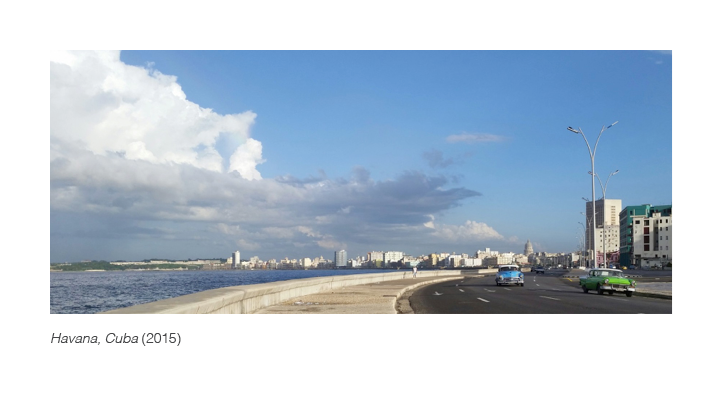
As of November 2015 Havana is both bursting with tourist spending and creaking under the weight of consumer need. The inflow of foreign cash crashes on the rocks of inadequate plumbing, telecommunications, refrigeration and transport infrastructure. Tourists are generally happy, but mostly because they accept compromised living conditions in return for enchanting historical depth and a magnetic host population.
The colonial, art deco and Soviet-heroic building stock are extensive but almost all in a state of grim decay. The city had 96,000 residents in 1810, which was then identical to New York and nearly three times that of Boston. By 1950 it had grown nearly tenfold. Its historical district is no mere quaint square but an entire city that was once among the biggest and richest in the new world. Buildings spanning these eras are everywhere and all in need of repair.
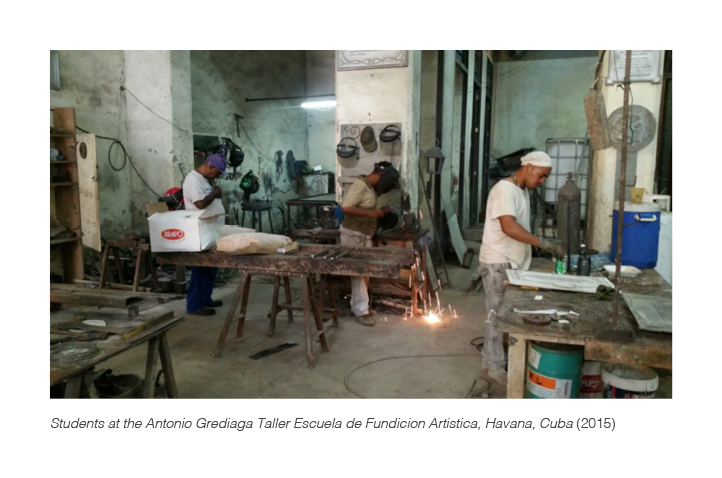
The country is investing in schools that train master craftsmen in iron work, masonry, glass work and mural refurbishment partly to create employment, but also to preserve this extraordinary urban infrastructure. There are five such schools in the country with highly competitive admissions accepting less than 25% of applicants. Each year around 800 graduate into jobs that pay more than a doctor’s wage.
Imagine combining the tourist cravings, amazing architecture and unique skill sets of Havana with the supply chains of Home Depot, Lowe’s and Grainger? An economic boom is ready to happen.
Much of Cuba’s history is about agriculture, especially sugar. Today the country can’t even feed itself. Looking ahead to a revitalised economy, however, has nothing to do with rebuilding an export-orientated agricultural sector. The future is about information industries.
The first, and for some time probably the largest, is tourism. Combining colonial Caribbean attractions with a communist curiosity factor, Cuba will draw adventure tourists for decades. Stealing a page or two from the likes of Disney could monetise what’s there without destroying its allure. The key will be pricing, which should be kept high to constrain demand within bounds that the infrastructure can support.
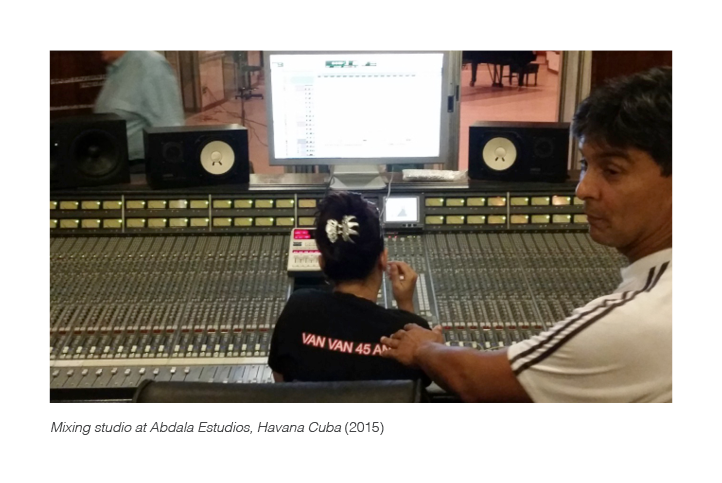
Related to tourism is a content business built around the arts. Music, painting, sculpture and more are everywhere in Havana and most is idiosyncratic enough to be refreshing to a largely saturated global market from established arts hubs like Los Angeles, London and Paris. Check with Google, Amazon and Nike for outlets to leverage this resource.
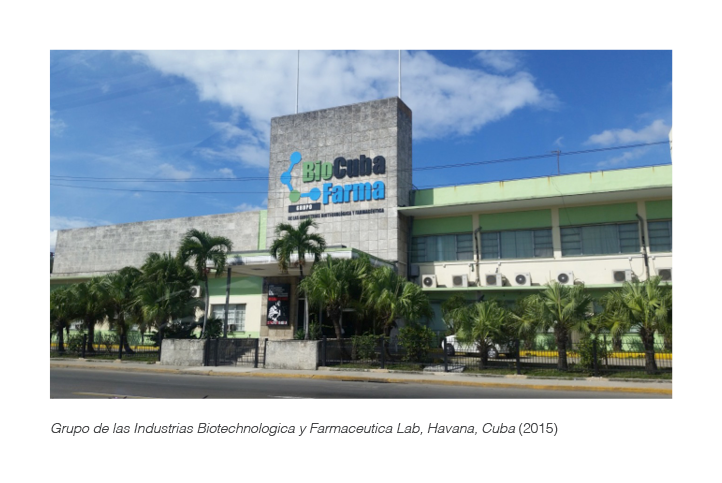
Bigger still, and potentially unique, is the information-intensive biopharmaceuticals sector, which includes some 60 laboratories around the country that develop medicines including, for example, an 80% effective cure for diabetic foot called Heberprot. In addition, dozens of vaccines and medications that are made only in Cuba suggest a wealth of new knowledge that could contribute meaningfully to the global healthcare sector.
Medical services sold or traded to customers in the Amazon, sub-Saharan Africa and Central America are in fact the second biggest export earner after tourism in Cuba. Add the large number of trained medical professionals working domestically and the country looks like a potential partner for global pharmaceutical makers as a contract development and manufacturing hub for everything from clinical trials and laboratory work to API production.
Cuba is a sensitive topic for many people around the world. Its inspiration is proudly linked to the revolution and icons like Che Guevara and Fidel Castro. The economic decisions made by this group of leaders were unequivocally disastrous in terms of efficiency and output. They are also still very much linked to a legacy of nationalisation of assets that left many furious and bitter.
The path forward will demand great generosity of spirit and a lot of humility on all sides. Legal battles await on the road to normalised relations and some, like Bacardi, still deserve compensation.
Whatever the hurdles, the benefits look well worth the effort.
Beyond Supply Chain
Subscribe on LinkedIn to receive the biweekly Beyond Supply Chain newsletter.