By Wade McDaniel | September 08, 2023
CSCO Outlook for 2027: Cloudy With a Chance of Moderate Growth
October 09 2026


By Wade McDaniel | September 08, 2023
In a recent discussion among chief supply chain officers that included Fortune 100 companies, Gartner learned that the intensity level they are feeling about political uncertainties is extremely high. But when we asked them about their collaboration with their governmental affairs teams, less than half said they are actively involved.

The introduction of legislation can have enormous impacts on supply chains — and regulation is increasing. Countries are placing national interests at an even higher priority than a few years back as globalism is being redefined.
The process of localizing supply chains for national security and environmental protection is having uneven and inconsistent results, placing more pressure on chief supply chain officers. It’s time for supply chain executives to take a leading role in shaping regulation versus just receiving and reacting to it.
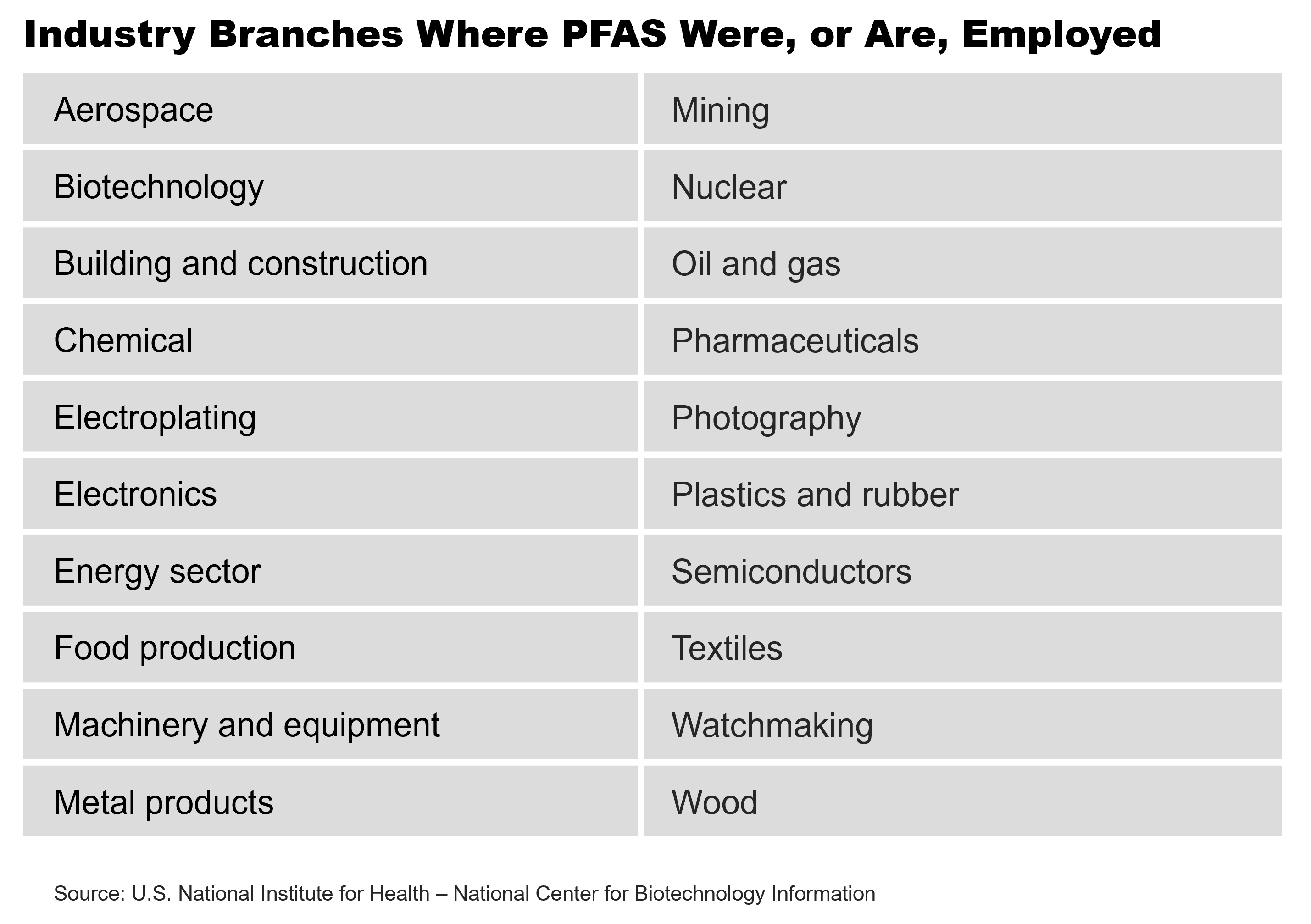
Let’s look at per- and polyfluorinated substances (PFAS), commonly known as “forever chemicals.” They are so named because they do not break down in nature and literally last forever.
Two of the most common, and most studied, PFAS compounds, known as PFOS and PFOA, have been linked to cancer; conditions affecting the liver, thyroid and pancreas; ulcerative colitis; hormone and immune system interference. These two have been banned, or severely restricted, as late as 2019. However, most PFASs have not yet undergone toxicology assessments or been linked to health harms. But some governments are now starting to consider banning and restricting the substances which will have significant impacts on the supply chain.
Still, banning or restricting substances that have been around since the 1940s, and used across the world in a wide range of industries, will be incredibly complex.
The European Chemicals Agency has recently published a proposal that could result in the restriction or elimination of more than 12,000 PFAS. In this case there is little prospect of an instant ban; European legislators are unlikely to vote on a plan until 2025, and even then, there could be grace periods of up to a decade.
Flipping the page to the United States, we find things moving much faster at a state level. Starting in January 2025, Minnesota will ban the sale and distribution of some products that have PFASs added intentionally. The products include carpets or rugs, cookware, and textile furnishings.
This will probably require companies making such goods to completely reengineer their end products or make a unique version for Minnesota if they want to continue to sell their product in the state. And Minnesota is not alone in this action. California, Colorado and New York are examples of other states making similar moves.
Working through the complexities will require product redesigns and supply chain overhauls. Leaders need to collaborate with not only the traditional internal teams such as engineering and finance, but they will also need to dive in with their governmental affairs team to influence and highlight the impact on the supply network.
The waste from linear production models, such as plastics and forever chemicals, is rapidly polluting the earth and creating human health issues. And as a result, local, regional and federal governments have, and will continue, to influence and regulate supply chain operations.
One way to jump ahead of this challenge is to embrace circular economy concepts. The short definition is a system in which materials never become waste and nature is regenerated. In a circular economy, products and materials are kept in circulation through processes like maintenance, reuse, refurbishment, remanufacture, recycling and composting.
Supply chain leaders recognize the importance of engaging circular concepts. But, unfortunately, not many are experiencing success.
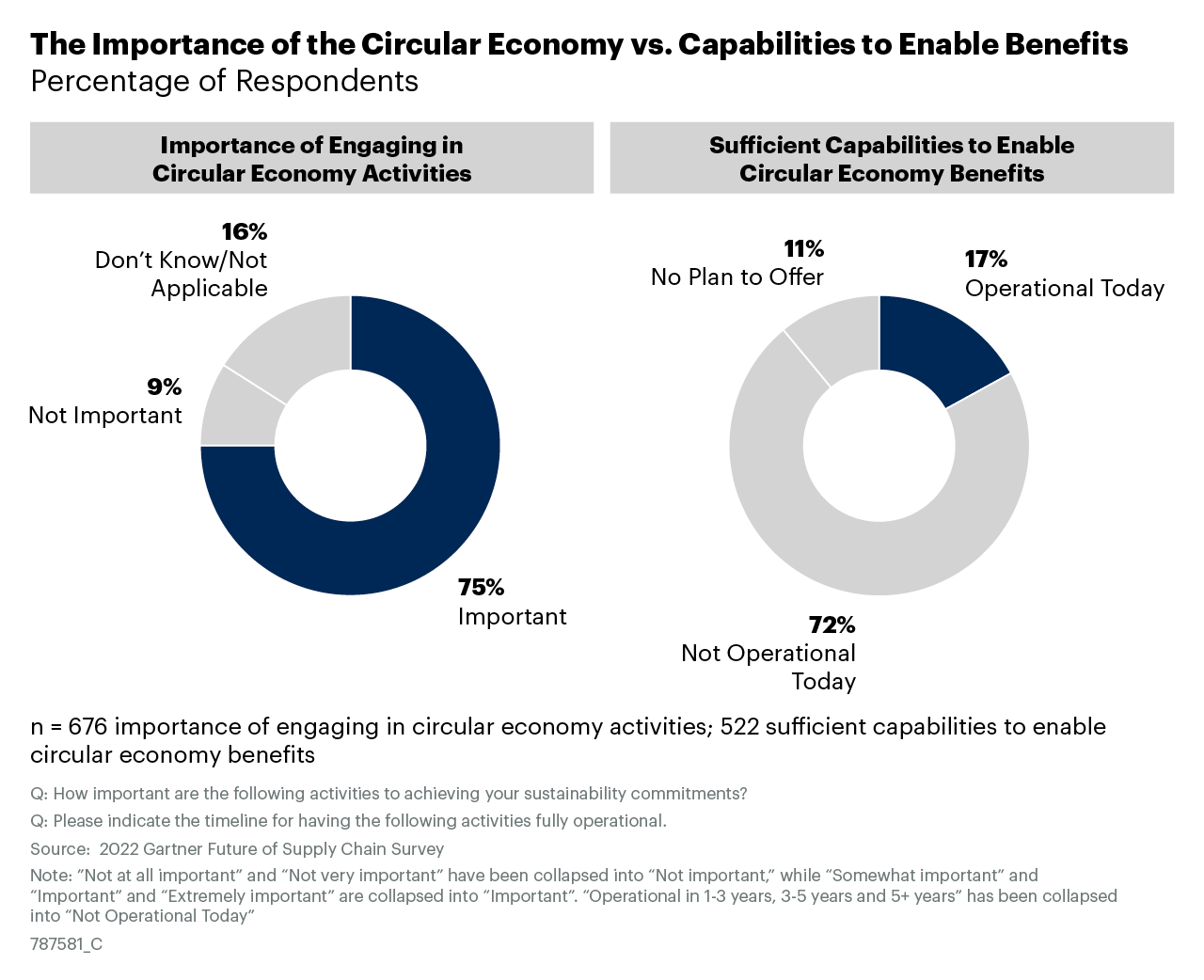
Companies and industries are at different stages of their circular journey. But there is a common theme that we hear from them. It’s a business model that makes environmental and economic sense.
In a recent conversation, a chief supply chain officer mentioned that, over the past couple of years, the company’s governmental affairs team has grown from almost nothing to a substantial group. The CSCO now collaborates extensively with them, and it’s primarily due to the focus on PFAS.
We’ve heard from our CSCO community that, in many cases, governments do not take enough action. One example is not having consistent regulation on recycling batteries used in power tools. Throwing batteries in landfills makes little sense, and, from a business perspective, it results in a loss of a recyclable resource.
Supply chain leaders are being confronted with increasing regulation that will impact their operations and extended networks. It’s time to make a choice about being involved in the regulatory process or sitting on the bench. One way or the other, change is coming.
Wade L. McDaniel
Distinguished Advisor VP
Gartner Supply Chain
Wade.Mcdaniel@gartner.com
Non-client can access this free report: Supply Chain Sustainability Blueprint.
Take part in the 2023 Gartner Future of Supply Chain survey
Listen and subscribe to the Gartner Supply Chain Podcast on Gartner.com, Apple Podcasts, Spotify and Google Podcasts

Beyond Supply Chain
Subscribe on LinkedIn to receive the biweekly Beyond Supply Chain newsletter.