By Kevin O'Marah | January 26, 2018
CSCO Outlook for 2027: Cloudy With a Chance of Moderate Growth
October 09 2026


By Kevin O'Marah | January 26, 2018
This past holiday season was a winner for U.S. retailers prompting some, including Fortune, to predict a revival in the sector. The news is no doubt a relief to retail strategists and supply chain leaders who have struggled for at least a decade to meet the rising challenge of digitally empowered consumers who expect massive selection, low prices and free delivery.
So is everything ok now? Not really. In fact, for many traditional merchants such as Macy’s, Sears and J.C. Penney, the fight continues with store closings drowning out other news. It is also worth noting that U.K. retailers had a bad holiday, despite being significantly more experienced with e-commerce. Revolution retail is still in its early phases and most strategists in the sector are still coming to grips with what omnichannel really means.
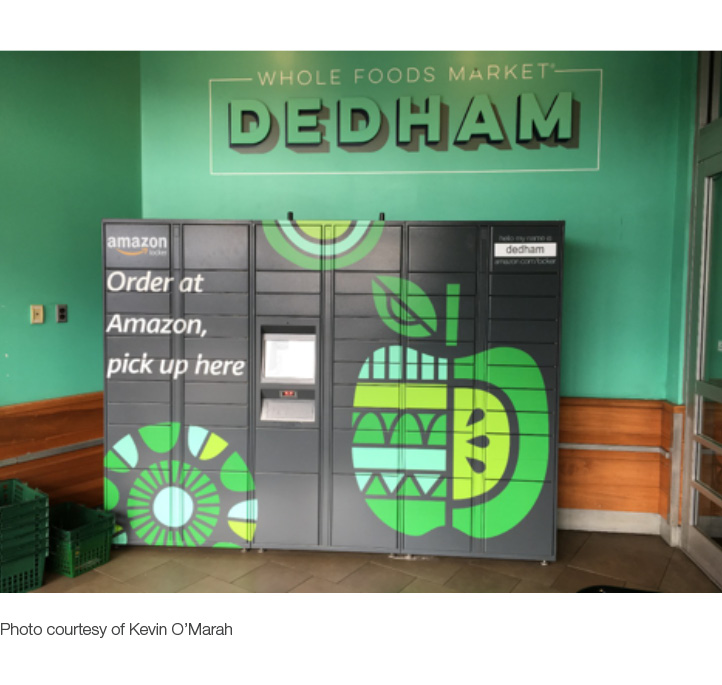
Omni Means All
For years e-commerce simply meant online shopping. Initially this created a false sense of security that only certain categories such as books and electronics would work, while others would not. Shoes, for instance, were at first assumed to be a bad fit for e-commerce because people need to try them on. Not true it turns out. Zappos won a huge following by selling shoes online and allowing free returns. Grocery is another category originally thought to be beyond e-commerce, again because people want to see and touch items like produce before buying. Again, not true. Tesco has done it Britain for years, while startups such as Instacart have made it work in the U.S.
E-commerce can apply to all kinds of shopping, it seems, and consumers have proven quick to push the boundaries of what is possible. The good news is that this digital consumer promises growth. The bad news is that they are forcing a level of complexity back into the supply chain that old fashioned retail thinking simply cannot handle.
Digital consumers want it all.
Five Years of Hard Lessons
Back in 2012 SCM World published a survey of retailers looking ahead at the supply chain demands of the digital/mobile consumer. The findings pointed to four key operational recommendations:
These turn out to have been pretty close to how most of the winners have played the game. REI, for instance, excels at engaging consumers holistically, which shields against showrooming where shoppers visit your store but buy at lower prices from someone else online. Best Buy has managed a turnaround by scaling up its store associates’ ability to troubleshoot for consumers, which brings them back to the store. Walmart has worked hard to leverage its stores as pickup, return and inventory stocking locations. Zara runs its stores with an eye to profitability back through its vertically integrated value chain and continues to grow as a result.
We asked the exact same questions in 2017 and saw huge changes in outlook. Among the most notable are massive jumps in the share of retail supply chain strategists who see a key role for logistics skills in store operations.

Very much related is a strong shift toward seeing stores as part of a wider supply network that fulfills customer demand in whatever way works best. The data shows a doubling in the share of respondents who think the store will be less important in the future and a commensurate plunge in the portion who see stores gaining relevance. Maybe most important, the survey indicates that people expect stores do play a more flexible role going forward as both a showcase for product and an inventory pickup location.
Pick Your Battles
As an industry, retail traditionally relied on big markups and shopper-centric strategies to drive traffic, basket size and ultimately same-store sales growth. Shoppers were constrained by geography and poor information so this worked well enough to support formats as vague as “general merchandise”.
No longer.

Omnichannel means consumers expect everything. No one can handle that. The only way to win is to choose specifically which consumers your retail supply chain wants to serve and make yourself omniscient, omnipresent and ultimately omnivorous in that niche.
Beyond Supply Chain
Subscribe on LinkedIn to receive the biweekly Beyond Supply Chain newsletter.