By Stan Aronow | April 30, 2021
Navigating the Supply Chain AI Fog
September 18 2026


By Stan Aronow | April 30, 2021
I recently had the privilege of moderating a virtual Leaders in Action (LIA) event on the theme of running purpose-driven supply chains, co-hosted by Unilever CSCO Marc Engel.

Twenty-five COOs and CSCOs of large global companies joined this interactive event. They shared perspectives and heard from peers on how our supply chains can improve the health of the planet, support people’s health and well-being, and contribute to a fairer, more socially inclusive world.
Held a week before Earth Day, it was followed by a flurry of corporate announcements sharing ambitious goals for resource stewardship, emissions reduction and ethical sourcing. There are too many to list, but one example is from Diageo. Ewan Andrew, president, global supply and procurement and chief sustainability officer, shared Diageo’s progressive 2030 goals for carbon, water, sustainable packaging and DEI in a recent Gartner webinar.
Marc opened our Leaders in Action session by describing the purpose-driven journey that Unilever has taken over the last decade. It started with the Sustainable Living Plan, which aimed to halve Unilever’s environmental impact while simultaneously growing its various businesses — “soups and soaps” as Marc describes them. Its current purpose is to make sustainable living commonplace, underpinned by three principles: people with purpose thrive, brands with purpose grow and companies with purpose last.
These aren’t just pretty words on a page. Unilever’s Compass Strategy sets comprehensive goals for progress in all the traditional sustainability categories — a race toward zero impact. Moreover, it is investing in less common areas: 5% of its workforce will be comprised of people with disabilities by 2025 and it is promoting living wages for the millions of agricultural workers supporting its food, beverage and beauty businesses. It also commits to upskill 10 million young people by 2030, independent of employment.
On this last point, Unilever recognizes that our youngest generations are not only growing in numbers, but also in alignment with companies driving positive impacts on the world. As proof, 75% of its recent financial growth has come from brands with a clearly articulated purpose.
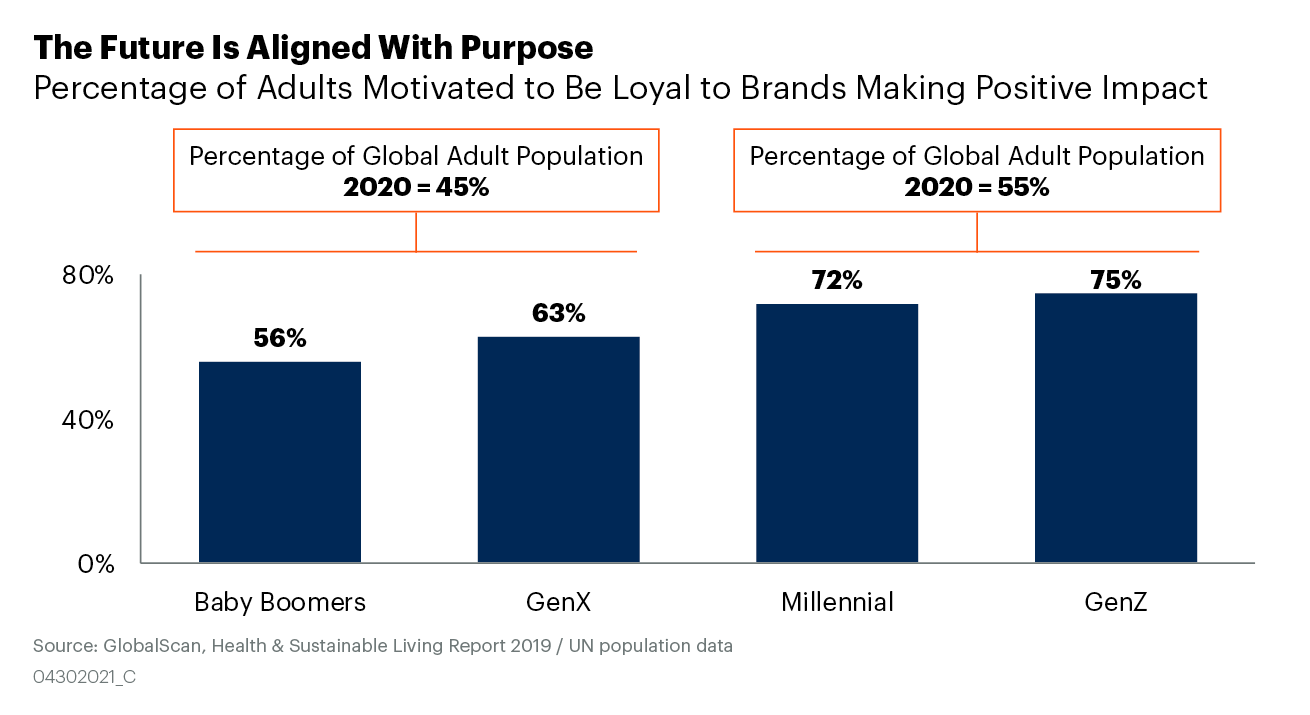
It was noted in our group discussion that only a tiny fraction of the global population is willing and able to pay a “green premium” for its products and services. More common is the expectation that companies will be both cost competitive and green/ethical; otherwise, customers will simply take their business elsewhere.
Here are some key takeaways from the group sharing and discussion at this LIA event:
It was inspiring to hear the level of conversation and passion for these topics across the supply chain community. We’re very much looking forward to the next gathering of this esteemed group, in May, to explore the opportunistic intersection between product lifecycle management and supply chain.
Stan Aronow
VP Distinguished Advisor
Gartner Supply Chain
Stan.Aronow@gartner.com
Beyond Supply Chain
Subscribe on LinkedIn to receive the biweekly Beyond Supply Chain newsletter.