By Kevin O'Marah | March 18, 2016
Navigating the Supply Chain AI Fog
September 18 2026


By Kevin O'Marah | March 18, 2016
Late last year, the OECD published a series of 15 reports under the umbrella of its base erosion and profit shifting (BEPS) project. The series comprises 1,931 pages of research, analysis and recommendations for how countries accounting for about 84% of world economic activity should harmonise taxation rules in response to a widely recognised shell game of corporate tax avoidance. High-visibility stories featuring tax concessions (Google and the UK) or judgments (Starbucks and the EU), plus a rising outcry around tax inversion deals (Pfizer) prove this project has legs.
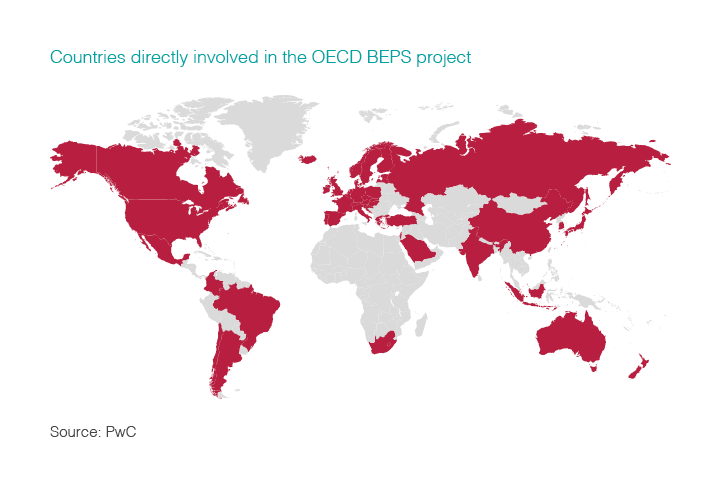
For supply chain leaders who manage global networks of plants, DCs, contract manufacturers and engineering centres, the end game may be more about following the spirit, rather than the letter of the law.
Compliance is not enough
Traditionally, topics like BEPS ring the compliance bell for business executives since they involve government rules and regulations. In this case, however, strict adherence to the rules could prove frustrating if not impossible, while proactive, well-meaning observance of the underlying principles is the safer route.
The project’s copious publications start with a well thought out and very thorough analysis of the tax challenges of our increasingly digital economy. The report looks not only at the shift away from physical to digital products, but also the galaxy of opportunities emerging in a digitised global supply chain to chop up the work in ways that legally avoid taxes.
At first glance, this newly digitised supply chain presents a tempting tax optimisation puzzle that invites cleverly sited locations for adding value with software installation, content downloads or other techniques for shifting intellectual property inputs. It also encourages negotiation with tax authorities for credits, breaks or tax holidays in return for job-creating location decisions. In fact, effective tax rates do vary quite widely among companies that have historically exploited these rules to their advantage.
A closer look, however, suggests that optimising tax strategies, especially over the longer term, may work better with less legal fiddling and a more common sense approach to paying your fair share. Why, for instance, did Google go along with the UK’s request for back taxes? How should Starbucks react to a bill from the EU that overrides a perfectly legal agreement with the government of Holland?
The answer is that supply chain assets, unlike purely financial assets, cannot be easily moved. Friction up front in permitting, building, staffing and supplying a plant, DC or store means spending time and money that can’t easily be recovered. Moving such an asset is usually impossible, so going afoul of the locals can end up costing plenty.
Political turmoil is the new normal
The OECD’s solution to tax challenges in the global, digital economy rests heavily on “domestic law changes”, which, in another time, might mean we’re still talking about compliance. Today, however, whether the topic is a British exit from the EU, a popular rejection of the Republican Party establishment in the US, or a blossoming people’s impeachment of the President of Brazil, politics is no longer business as usual.
Is it not reasonable right now to expect that governments will be more likely to protect themselves with domestic legislation that cools public fury than take brave compromise positions for the longer term? Protectionist policies are more ascendant than passé, and one-off deals agreed with a sitting government might well be revoked suddenly by the next. Anyone who has written off assets in Venezuela knows the power of populist politics against economic logic.
The message for people whose investments run into the billions and can’t be airlifted out is to avoid building supply chains on sand.
Play fair to win
The BEPS project is impressive in its scope, depth and ultimate goal, which is fairness. Taxation strategies in the shadow of this incipient world agreement would be wise to follow the core ideal of the final report: “it is expected that profits will be reported where the economic activities that generate them are carried out and where value is created”.
Supply chain strategy provides a platform for growth with people, process and technology. Taxes fund the ecosystem that holds it all together.
Loopholes are not sustainable.
Beyond Supply Chain
Subscribe on LinkedIn to receive the biweekly Beyond Supply Chain newsletter.