Mumbai, India, June 3, 2025
- Gartner client? Log in for personalized search results.
Gartner Data & Analytics Summit 2025 India: Day 2 Highlights
It’s not too late to join the conference
Overview
We are bringing you news and highlights from the Gartner Data & Analytics Summit, taking place this week in Mumbai, India. Below is a collection of the key announcements and insights coming out of the conference. You can read the highlights from Day 1 here.
On Day 2 of the conference, we are revealing the top trends in data and analytics for 2025, exploring the future of data management with generative AI and discussing methods to improve the quality of unstructured data. Be sure to check this page throughout the day for updates.
Key Announcements
Top Trends in Data and Analytics 2025
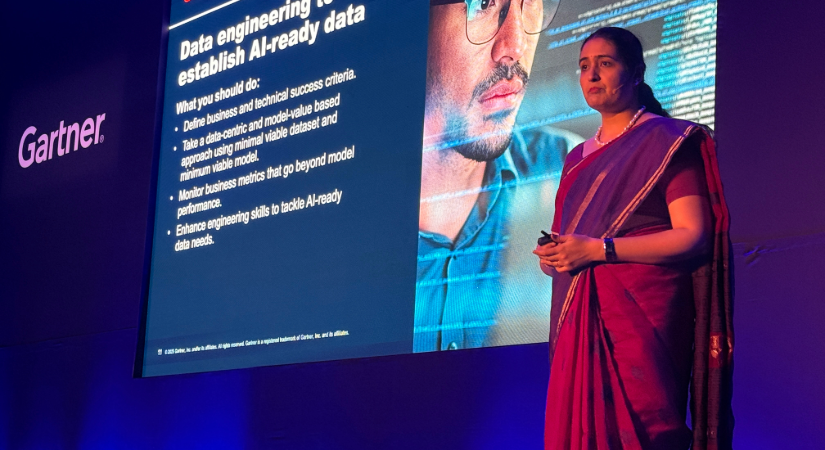
Presented by Shubhangi Vashisth, Director Analyst, Gartner
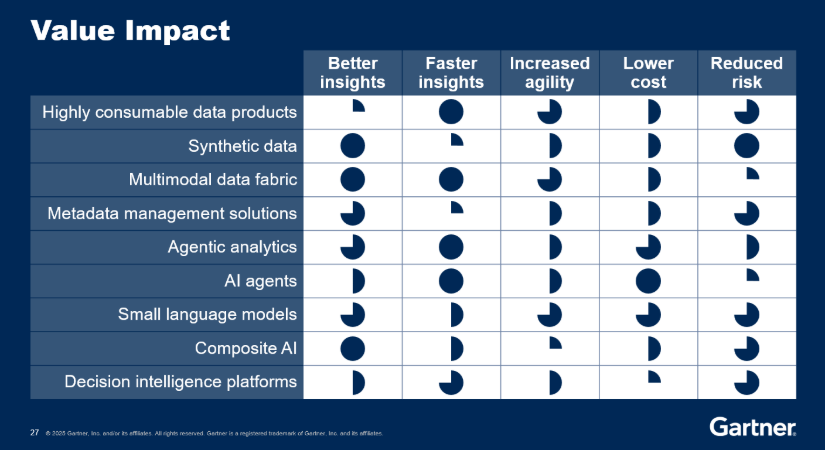
AI is having a huge impact, but societal, technological, and organizational implications are also driving change in data and analytics (D&A). In this session, Shubhangi Vashisth, Director Analyst at Gartner, examined how trends, such as complexity, trust, and empowerment, are impacting leaders and teams as they make decisions in all aspects of their D&A strategy.

Key Takeaways
Trend No. 1: Highly Consumable Data Products: “Start with business-critical use cases,Correlate and scale products to reduce data delivery bottlenecks.”
Trend No. 2: Metadata Management Solutions: “Start with technical metadata and add business metadata to enable context.”
Trend No. 3: Multi-Modal Data Fabric: “Build a metadata management practice where tools share metadata across the entire data pipeline. Use tools to remove duplicate metadata and share metadata bidirectionally with other tools.”
Trend No. 4: AI Agents: “Apply actionable AI to move the needle of automation further.”
- Trend No. 5: Small Language Models: “Harness proprietary knowledge for higher reliability.”
Journalists can receive additional information and/or request an interview with the Gartner expert by contacting Sonika Choubey at sonika.choubey@gartner.com.
It’s not too late to join the conference
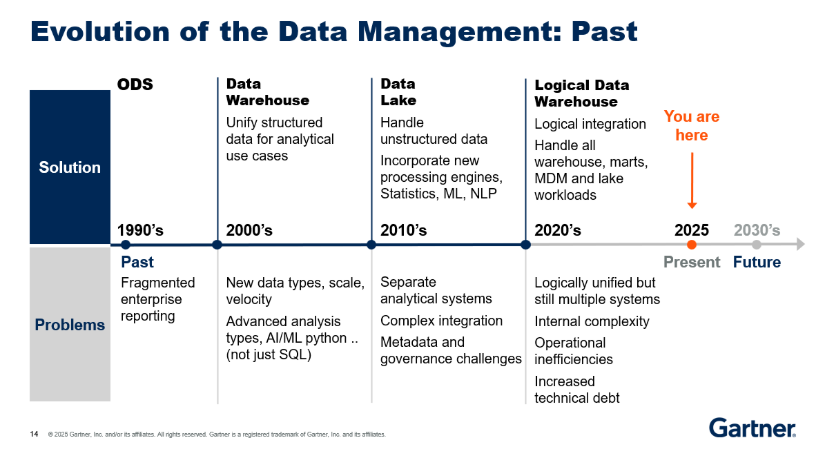
Future of Data Management Using GenAI
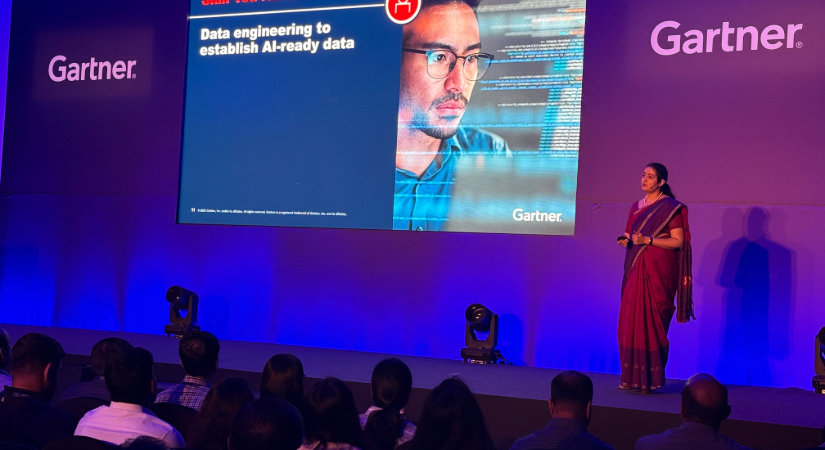
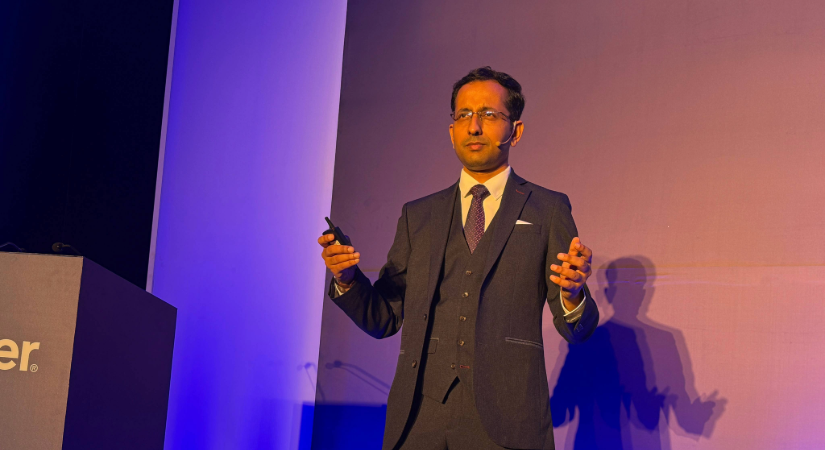
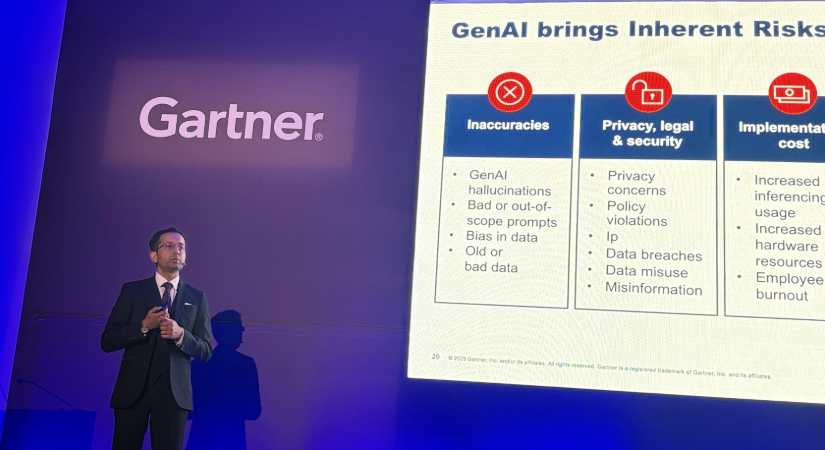
Presented by Prasad Pore, Sr Director Analyst, Gartner
GenAI promises capabilities of improving productivity and operational efficiency of data management function, and data governance. In this session, Prasad Pore, Sr Director Analyst at Gartner, explored the future state of data management and what chief data and analytics officers (CDAOs) need to prioritize when using GenAI applications.
Key Takeaways
“By 2028, 80% of GenAI business applications will be developed on organizations’ existing data management platforms, reducing implementation complexity and time to delivery by 50%.”
“By 2028, the data management markets will converge into a single market around data ecosystems enabled by data fabric and GenAI reducing technology complexity.”
“Invest in metadata management and data fabric to support multimodal inputs and outputs to deliver a GenAI experience.”
“Leverage retrieval-augmented generation (RAG) as a service from current data management solutions that align with your organizational data when creating business GenAI applications.”
“Utilize GenAI to improve the data management process, enhance user experience, and deliver valuable insights and predictions.”
Journalists can read more in the press release “Gartner Predicts by 2028, 80% of GenAI Business Apps Will Be Developed on Existing Data Management Platforms.”
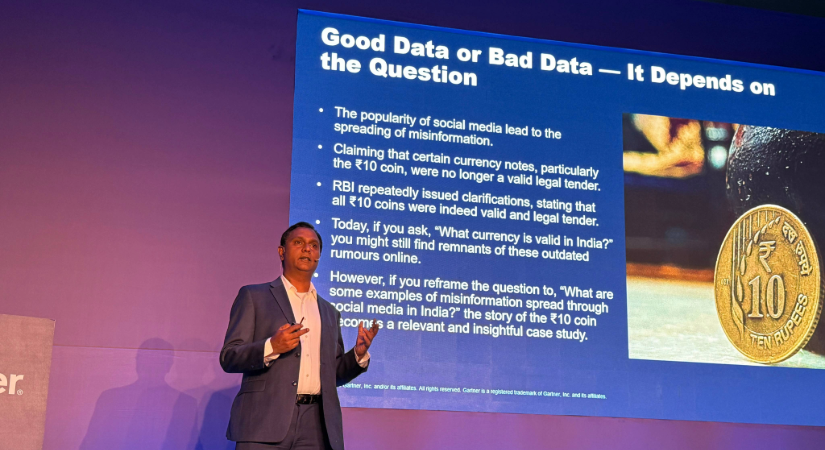
Unstructured Data Quality: How to Improve Trust to Ensure AI-Ready Data
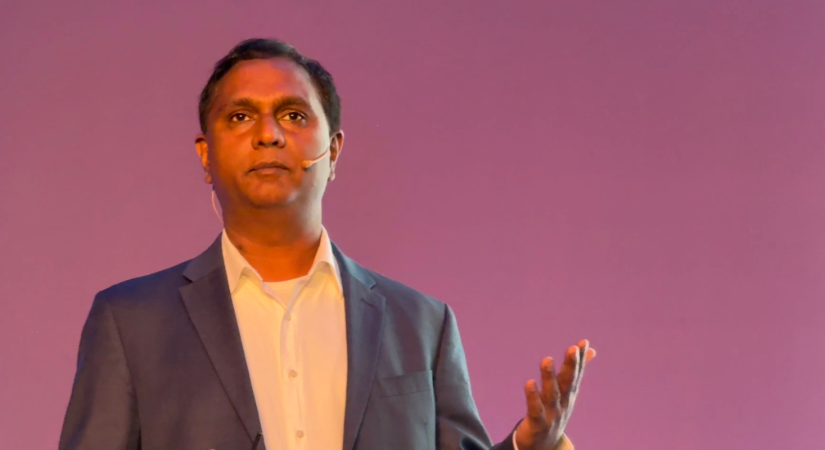
Presented by Ramke Ramakrishnan VP Analyst, Gartner
Data architects are increasingly tasked with providing high-quality unstructured data for AI models. However, efforts have primarily focused on data security and privacy, with little attention to managing unstructured data quality. In this session, Ramke Ramakrishnan, VP Analyst at Gartner, shared insights on improving unstructured data quality and discussed emerging best practices in this area.
Key Takeaways
“Start small while planning for scalability, as unstructured data quality practices and technologies are often manual and underdeveloped, particularly in the context of AI-related use cases.”
“When planning projects, check both the availability of quality data for training models and the ability to effectively monitor and govern production data sources.”
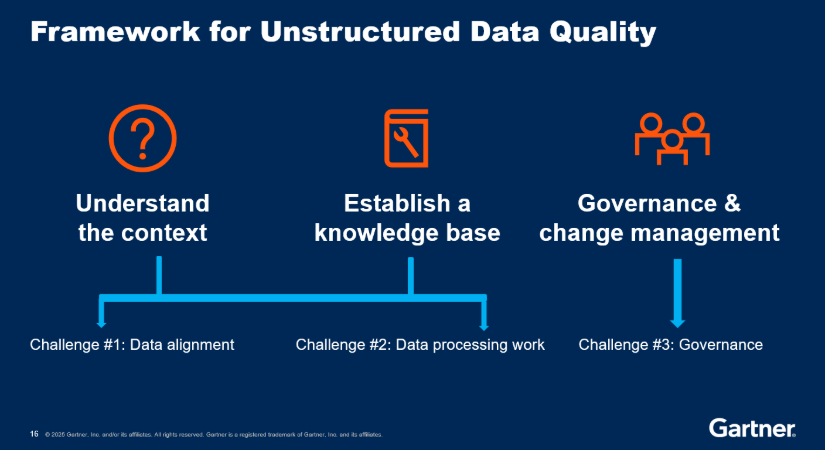
The framework for ensuring unstructured data quality includes three steps:
- Understand Context: Identify business objectives and user needs.
- Establish a Knowledge Base: Create a structured format for capturing and organizing data.
- Governance and Change Management: Regularly review and update data to align with evolving business contexts.
“Invest in tools and methods to enhance metadata tagging, classification and indexing, making unstructured data easier to find and use securely.”
“Establish a simple content standard and basic metadata aligned with your content chunking and embedding strategy to facilitate a search-based knowledge environment.”
Journalists can receive additional information and/or request an interview with the Gartner expert by contacting Sonika Choubey at sonika.choubey@gartner.com.
It's a wrap for this year. See you next year!


About Gartner
Gartner (NYSE: IT) delivers actionable, objective business and technology insights that drive smarter decisions and stronger performance on an organization’s mission-critical priorities. To learn more, visit gartner.com.