GOLD COAST, Australia, September 16, 2026
- Gartner client? Log in for personalized search results.
Gartner IT Symposium/Xpo 2026 APAC: Day 3 Highlights
Overview
We are bringing you news and highlights from Gartner IT Symposium/Xpo, taking place this week on the Gold Coast, Australia. Below is a collection of the key announcements and insights coming out of the conference. You can read the highlights from Day 2 here.
On Day 3 of the conference, we are covering sessions on why being resilient is no longer enough for optimizing cybersecurity outcomes; how to get value from AI in IT; why AI's free speed isn't free; and what an AI program really costs in 2026.
Key Announcements
Why Being Resilient Is No Longer Enough for Optimizing Cybersecurity Outcomes
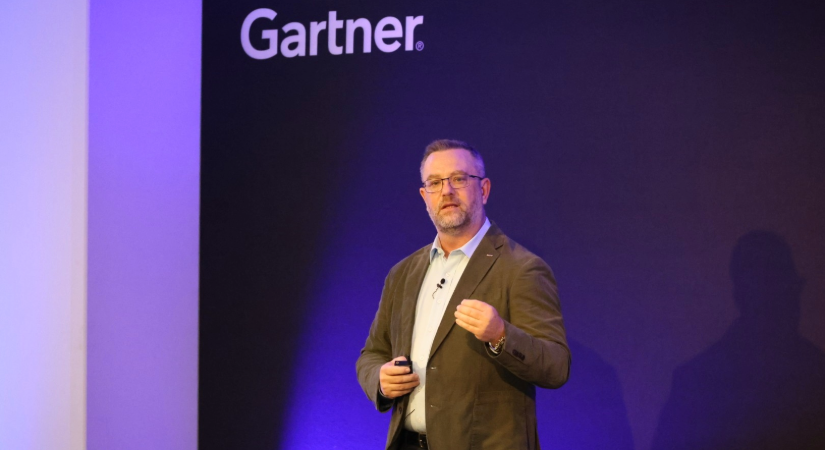
Presented by Richard Addiscott, VP Analyst, Gartner
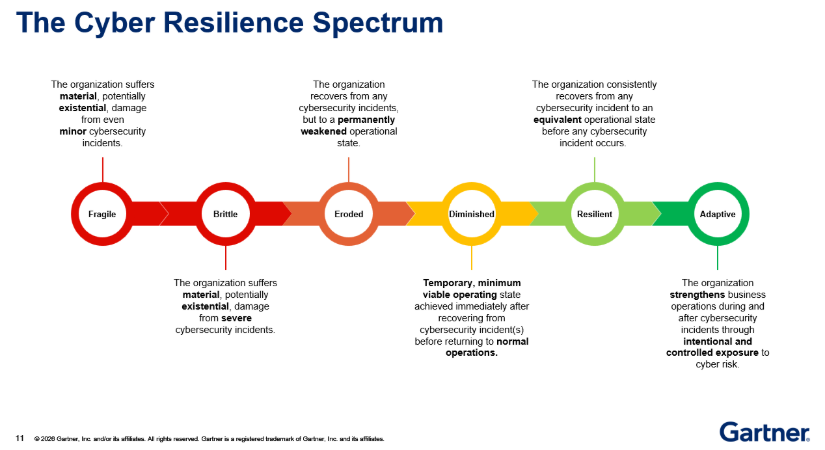
Cyber resilience is a mindset, an outcome and a capability. As the world continues to move at pace, maintaining the status quo is now just table stakes. In this session, Richard Addiscott, VP Analyst at Gartner, discussed how to move beyond basic cyber resilience and achieve stronger business outcomes through cybersecurity.
Key Takeaways
- “In today’s rapidly changing, volatile environment, maintaining the status quo is no longer enough – standing still means falling behind. Organizations must rethink cyber resilience to stay ahead of the curve.”
- “A prevention-centric cybersecurity program is no longer viable as AI accelerates technology and continually transforms the threat landscape. Adopting an adaptive resilience posture is essential to keep pace and protect business value.”
- “Stop cutting corners with cybersecurity incident response. Complete every stage, from preparation, detection, containment, eradication, recovery and post-incident activity, to ensure all insights and lessons are integrated into the program.”
- “Leverage chaos engineering to uncover vulnerabilities and evaluate system behavior under adverse conditions. While not always feasible for legacy systems, introducing chaos engineering into new system development initiatives can significantly improve service restoration and site reliability.”
- “Experiment with AI-driven approaches like feeding security log data into retrieval-augmented generation (RAG) pipelines, building AI SOC agents for threat hunting, and using GenAI to simulate real-world attacks. These innovations expand visibility, uncover vulnerabilities and strengthen adaptive cyber resilience.”
Journalists can receive additional information and/or request an interview with Richard Addiscott by contacting Emma Keen at emma.keen@gartner.com.
IT 2030: Getting Value From AI in IT
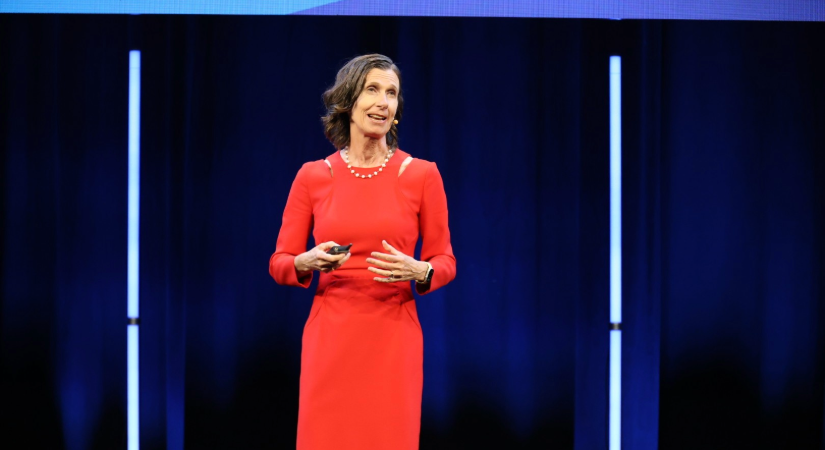
Presented by Kristin Moyer, Distinguished VP Analyst, Gartner
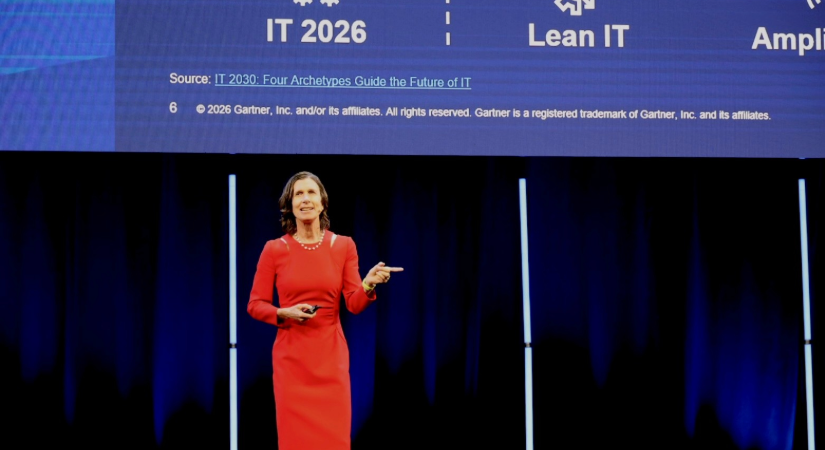
AI is reshaping how IT operates and contributes to organizational value. In this session, Kristin Moyer, Distinguished VP Analyst at Gartner, discussed how CIOs can gain a clearer view of the future of the IT landscape and strategic actions needed to stay ahead.
Key Takeaways
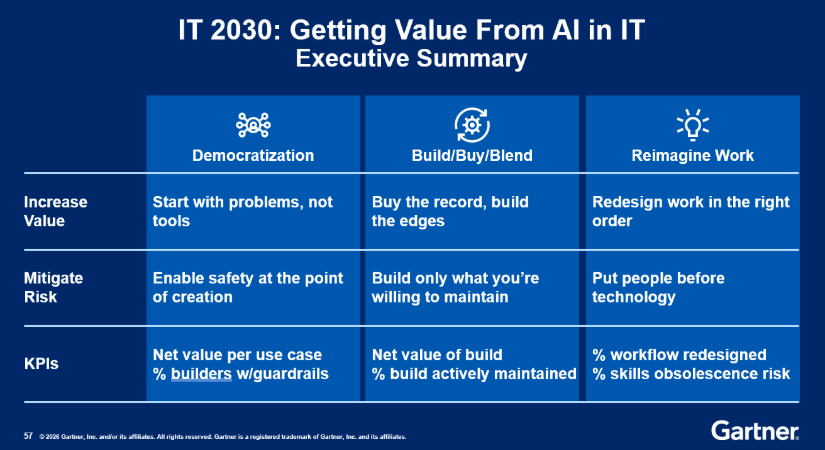
“The question isn’t whether more technology work will move beyond IT, but by how much. CIOs should enable managed democratization by establishing guardrails and collaborating closely with AI agent builders across the organization.”
“Shift commodity functionality to buy and invest in building resources where differentiation matters most.”
“Redesign work with people as the main priority. Expand capabilities before eliminating work and foster ongoing development of AI discernment.”
“Getting value from AI requires increasing value, mitigating risk and measuring progress. The goal is not more AI; it’s better outcomes with deliberate management of risk.”
Journalists can receive additional information and/or request an interview with Kristin Moyer by contacting Emma Keen at emma.keen@gartner.com.
AI’s “Free” Speed Isn’t Free: Here’s What To Do About It
Presented by Alica Mullery, VP Analyst, Gartner
GenAI creates content instantly, leading to assumptions of time savings, but what appears as efficiency often results in work inflation, where a spike in volume slows decision making. In this session, Alicia Mullery, VP Analyst at Gartner, explored the hidden AI surplus – the unplanned cognitive labor, team capacity and organizational demolition that accompanies AI – and how to shift the balance from work inflation to value creation.

Key Takeaways
“GenAI and AI agents are driving work surges, which are often unplanned and underestimated. These surges introduce additional tasks, steps and processes, and will become more apparent as AI is integrated into core operations.”
“Work surges are not a failure of AI; they are an expected part of adoption. The challenge is to recognize, diagnose and respond to different types of work surges, so the right actions can be taken.”
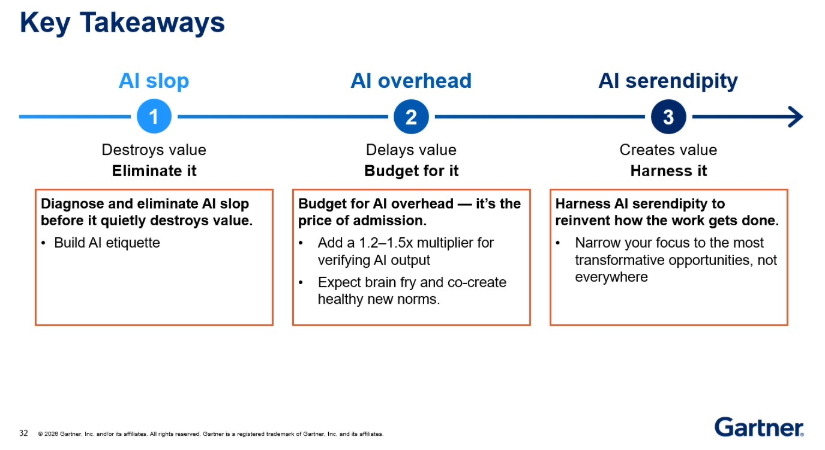
“Eliminating AI slop requires clear etiquette. This means being transparent about AI involvement, taking ownership of AI output, recognizing that some tasks require more human effort than others and knowing when human input matters most.”
“Plan for AI overhead by budgeting time and resources to upskill team members and verify accuracy. This will minimize delays and accelerates value realization.”
“Harness the additional work that comes from demolishing older end-to-end processes. Organizations cannot do this everywhere, so focus reimagination efforts on the most transformative opportunities.”
Journalists can receive additional information and/or request an interview with Alicia Mullery by contacting Emma Keen at emma.keen@gartner.com.
What Does an AI Program Really Cost in 2026?
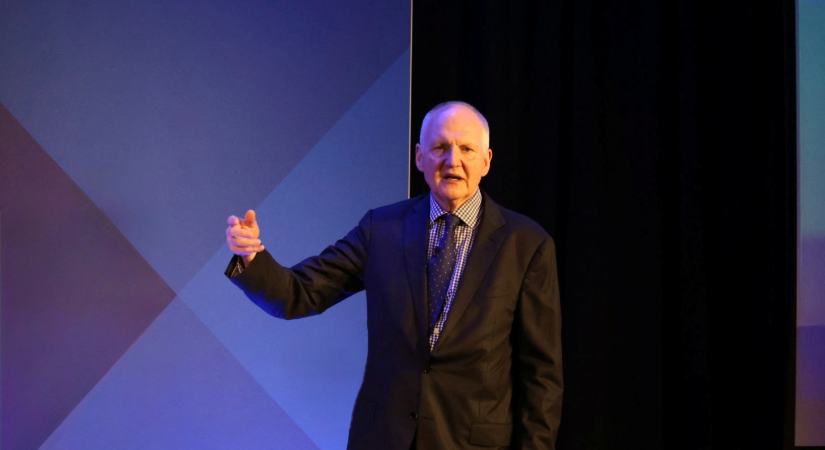
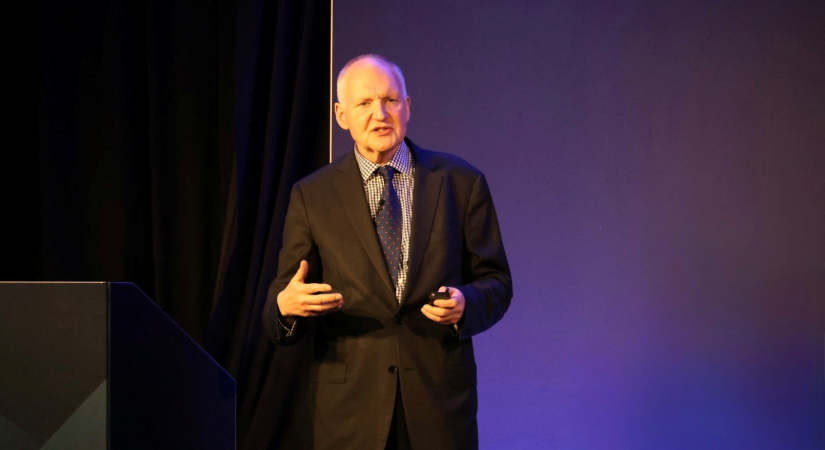
Presented by Andy Rowsell-Jones, Distinguished VP Analyst, Gartner
Enterprise AI costs are fragmented across technology, people and processes, making the full economic commitment hard to see. In this session, Andy Rowsell-Jones, Distinguished VP Analyst at Gartner, explained why AI will cost enterprises more than just the model and infrastructure, and why much of that expense is locked in before launch.
Key Takeaways
“AI costs extend far beyond models and infrastructure, and many are locked in before launch. Architecture, data, workflow, governance, talent and design decisions all create long-term commitments well before costs appear on an invoice.”
“AI is becoming a continuing operating-cost commitment. A typical business unit spends $2 million annually on AI, with 70% treated as OpEx. As use cases are added, AI becomes a margin-management issue rather than just an innovation investment.”
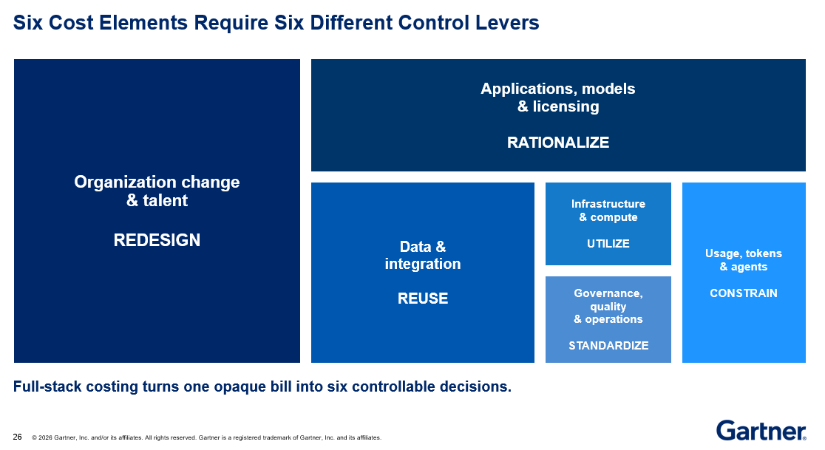
“The AI invoice reflects only part of the total cost. Technology costs are visible, but people and process expenses are often spread across budgets or appear after launch. Every part of the stack continues to incur costs over time.”
“Agentic systems make costs less predictable because the same business outcome may require different numbers of reasoning steps, model and tool calls, retries and human escalations. Their economics must be managed at the level of the completed outcome, not the token.”
“Six AI cost elements require six different control levers: work redesign; reuse governed data and integration foundations; rationalize applications and models; constrain agentic activity; improve infrastructure utilization; and standardize governance and operations.”
Journalists can receive additional information and/or request an interview with Andy Rowsell-Jones by contacting Emma Keen at emma.keen@gartner.com.
That's a wrap for Gartner IT Symposium/Xpo on the Gold Coast. Until next year!


About Gartner
Gartner (NYSE: IT) delivers actionable, objective business and technology insights that drive smarter decisions and stronger performance on an organization’s mission-critical priorities. To learn more, visit gartner.com.