BARCELONA, Spain, June 10, 2024
- Gartner client? Log in for personalized search results.
Gartner Supply Chain Symposium/Xpo Barcelona: Day 1 Highlights
It’s not too late to join the conference
Overview
We are bringing you news and highlights from the Gartner Supply Chain Symposium/Xpo, taking place in Barcelona this week. Below is a collection of the key announcements and insights coming out of the conference.
On Day 1 from the conference, we are highlighting the Opening Keynote on owning supply chain's value, as well as sessions on effective supplier negotiations and how GenAI challenges traditional thinking on supply chain talent. Be sure to check this page throughout the week for updates.
Key Announcements
- Opening Keynote Press Release: Gartner Says Supply Chain’s Value Must Surpass Cost Savings to Remain Strategic Beyond Times of Crisis
- Day 2 Press Release: Gartner Identifies Three Actions for Supply Chain Leaders to Mitigate Long-Term Resource Constraints
- Day 3 Press Release: Gartner Predicts Half of Companies With Warehouse Operations Will Leverage AI-Enabled Vision Systems by 2027
Gartner Opening Keynote: Move to Drive: Owning Supply Chain’s Value
Presented by Tom Enright, VP Analyst, Gartner
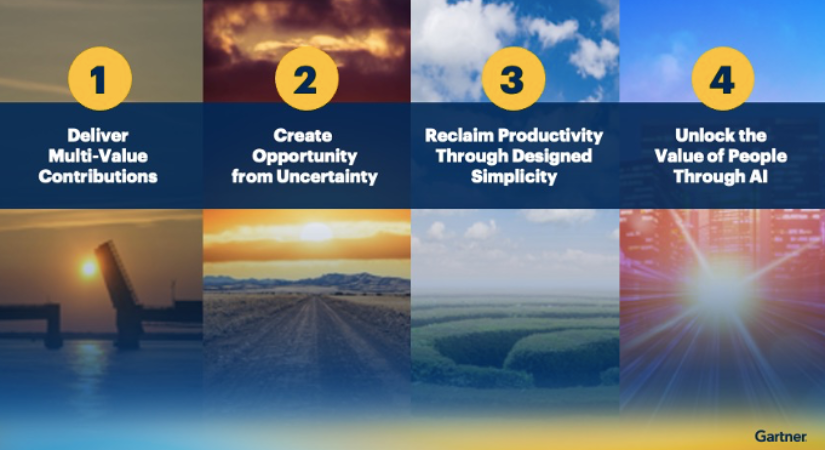
After assuming an elevated role within the enterprise and battling years of crises, the supply chain faces the prospect of receding in importance to stakeholders and accepting a diminished “post-crisis” role. In the opening keynote session of the Gartner Supply Chain Symposium/Xpo, Tom Enright, VP Analyst at Gartner, shared key strategies for how the supply chain can retain its strategic importance and drive the outcomes that lead to business success.
Key Takeaways
- “CSCOs must prioritize delivering multiple sources of value with their investments that go beyond cost, including growth, innovation, sustainability, risk reduction and customer experience.”
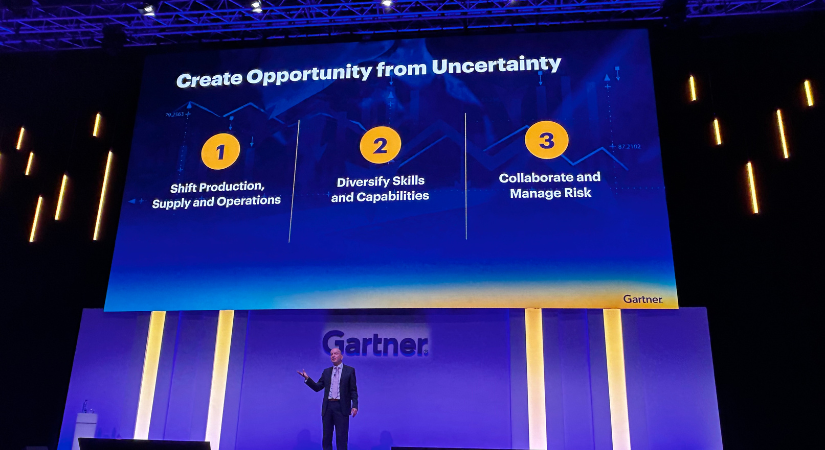
- “Leading supply chain organizations are adopting antifragile capabilities that go beyond resilience and deliver value in uncertain environments.”
- “Supply chains must transform to keep pace, but transformations as currently practiced often lead to higher complexity, employee change fatigue, and lower team morale.
- Top-tier transformations design simplicity into their transformation processes to not only achieve the targeted business outcomes but also improve employee satisfaction.”
- “AI will be key to supply chain transformation, but just 54% of AI projects make it from pilot to production. Supply chain leaders must start with viable use cases and then set reasonable timelines for ROI.
Top Tips for More Effective Supplier Negotiations
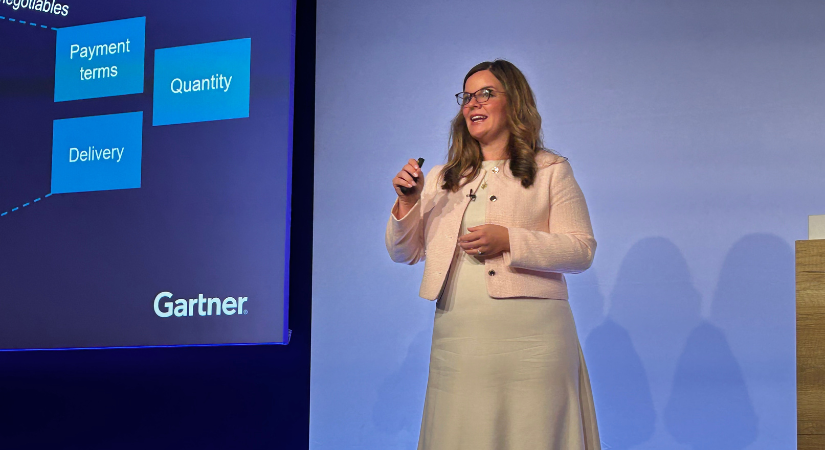
Presented by Meghan O’Doherty, Senior Director Advisor, Gartner
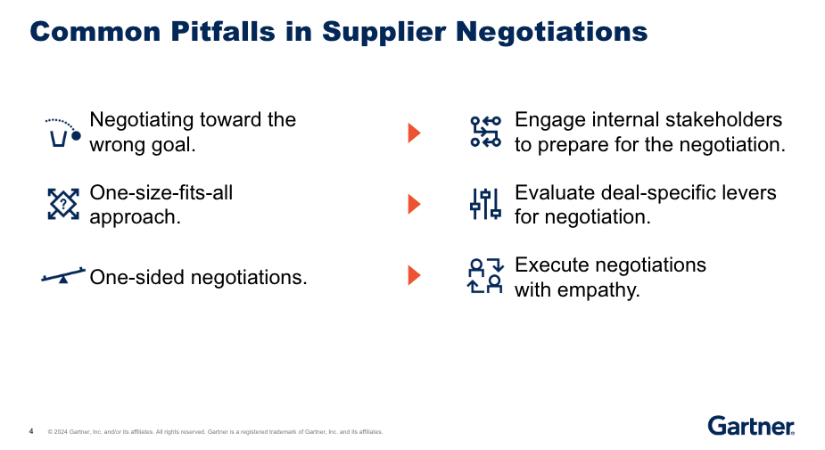
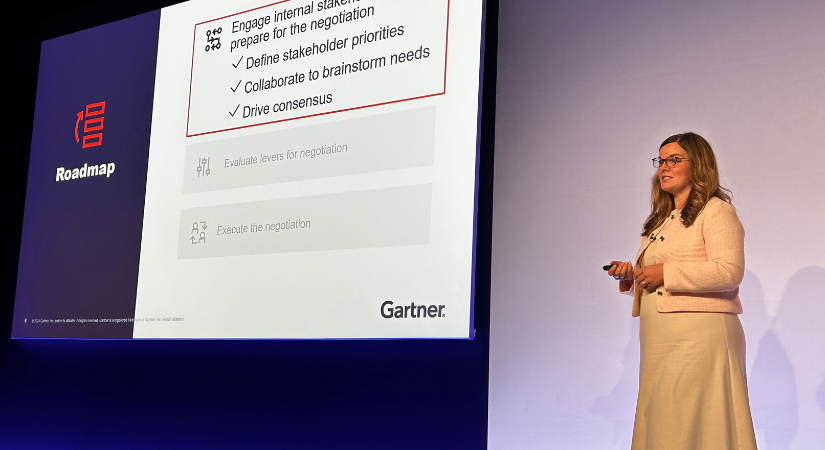
There has never been a better opportunity for procurement to leverage advanced negotiation tactics to achieve business outcomes. However, procurement leaders must prepare and be able to balance the conflicting priorities of stakeholders. In this session, Meghan O’Doherty, Senior Director Advisor at Gartner, highlighted common pitfalls of supplier negotiations and shared a roadmap for a successful approach.
Key Takeaways
“Shifting business priorities, inflation and supply chain complexity make negotiation skills more important than ever.”
“Before starting a negotiation, internal stakeholders must be engaged in order to define their priorities, collaborate to brainstorm needs and drive consensus.”
“Overcome conflicting stakeholder priorities by asking them to force rank negotiables and incorporate negotiables beyond the obvious cost in your negotiation.”
“Understanding the hidden drivers of suppliers’ costs and their total cost of ownership can provide the advanced perspective needed to better inform negotiations before they begin.”
“Stay ahead of opportunities to use technology, like AI and GenAI, to more effectively prepare and execute negotiations.”
How GenAI Challenges Traditional Thinking on Supply Chain Talent
Presented by Dana Stiffler, Distinguished VP Analyst, Gartner
Supply chain leaders have embraced the idea of GenAI as an antidote to their labor struggles. However, GenAI enthusiasm may be setting up a series of false assumptions about the most important impacts for the technology. In this session, Dana Stiffler, Distinguished VP Analyst at Gartner, highlighted three supply chain talent assumptions that GenAI will challenge in the coming years, along with needed course corrections.

Key Takeaways
“Gartner data shows that supply chain leaders anticipate cutting more than 10% of headcount by 2026 as a result of implementing GenAI.”
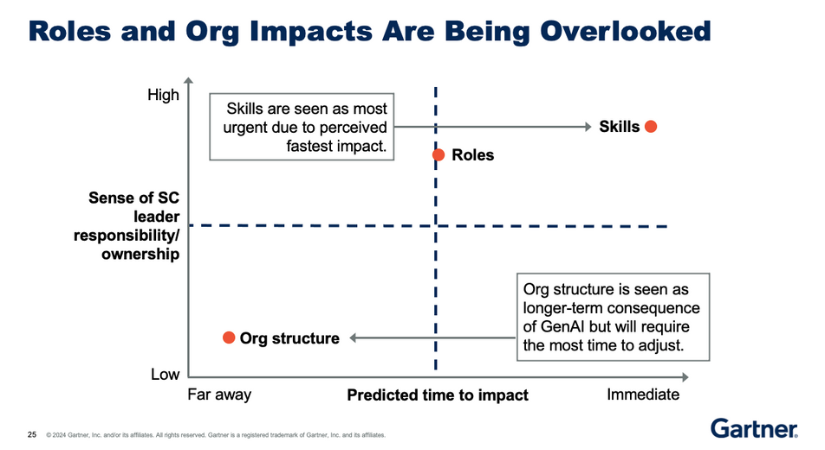
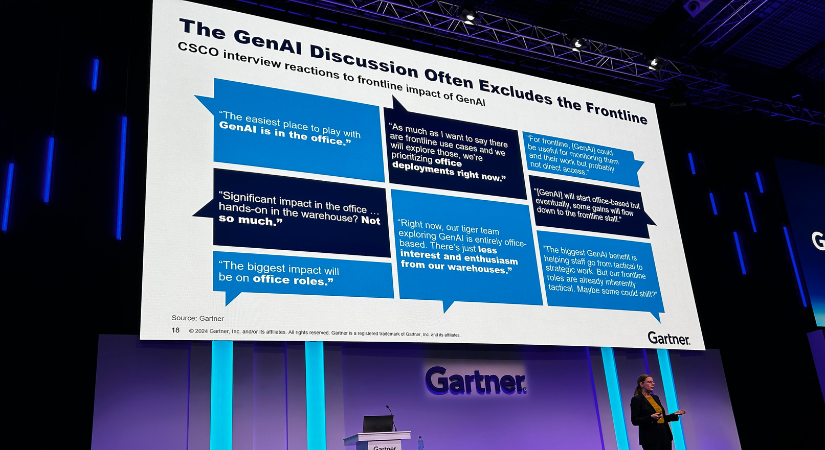
“Underlying this projection are three core GenAI talent assumptions: institutional knowledge can be replaced by GenAI, GenAI is only about desk-based roles, and the emphasis on employees alone needing new skills to survive GenAI.”
“Experienced employees have an advantage with institutional knowledge, something that GenAI cannot fully replicate.”
“Only focusing GenAI on what it can do in desk-based roles risks alienating the frontline, where organizations are already struggling with high levels of attrition.”
“A sole focus on talent upskilling overlooks the entirely new organizational roles, structures and skills that will be needed to deploy GenAI effectively.”
It’s not too late to join the conference
That's a wrap for day 1! Tune in tomorrow for more updates from the conference.


About Gartner
Gartner (NYSE: IT) delivers actionable, objective business and technology insights that drive smarter decisions and stronger performance on an organization’s mission-critical priorities. To learn more, visit gartner.com.