GRAPEVINE, TEXAS, September 16, 2026
- Gartner client? Log in for personalized search results.
Gartner Enterprise Risk, Audit & Compliance Conference 2026 Grapevine: Day 2 Highlights
It’s not too late to join the conference
We are bringing you news and highlights from the Gartner Enterprise Risk, Audit & Compliance Conference 2026 taking place this week in Grapevine, Texas. Below is a collection of key announcements and insights coming out of the conference.
On Day 2 of the conference, we are highlighting the sessions AI in Risk Intelligence Tools: Promising, Powerful But Proceed with Caution; Architecting Your Approach to Navigating Ethical AI Dilemmas and Reimagining the Compliance Operating Model for Speed, Insight and Impact.
Be sure to check this page throughout the day for updates.
Key Announcements
AI in Risk Intelligence Tools: Promising, Powerful But Proceed with Caution
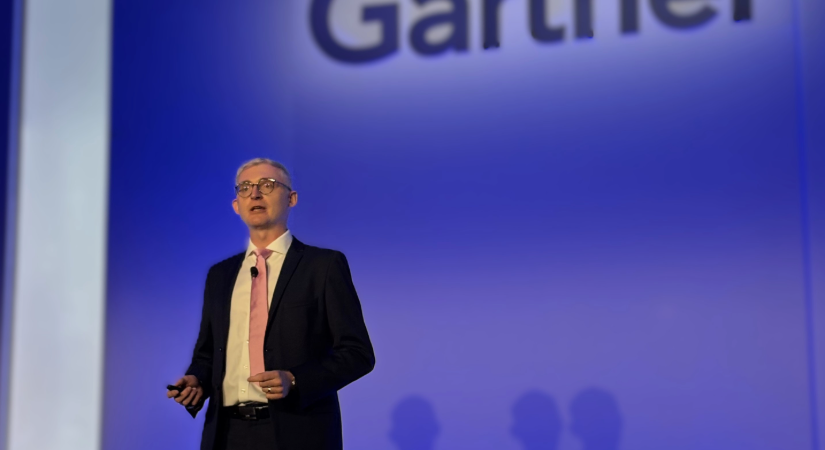
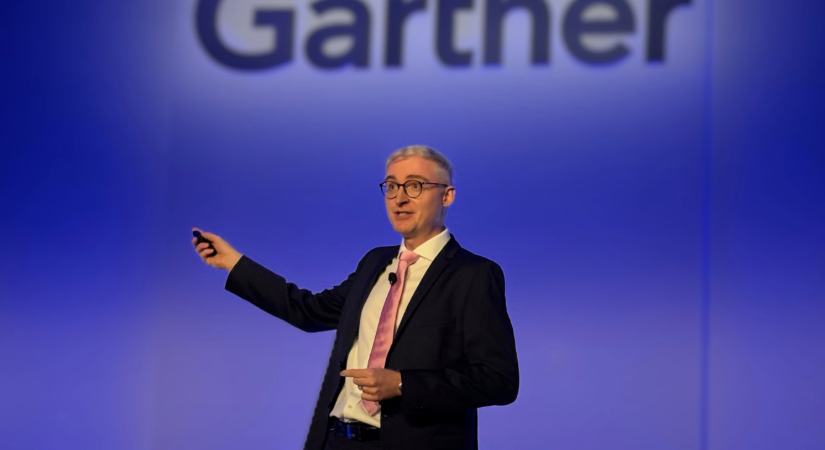
Presented by Nick Sworek, Senior Director Analyst, Gartner
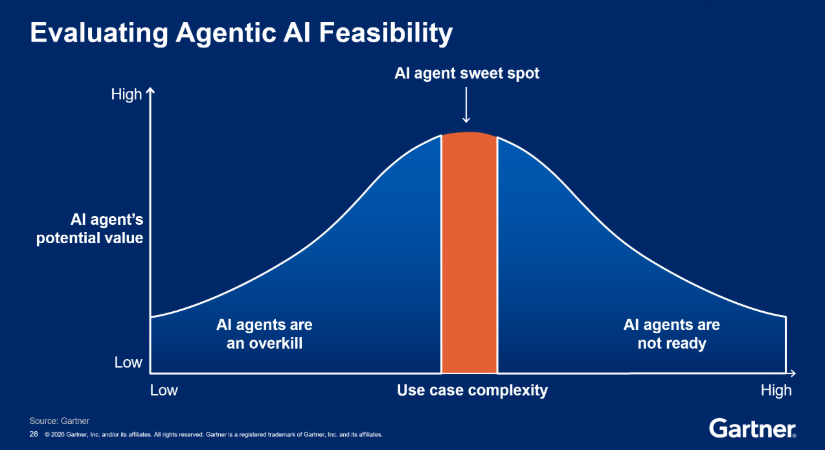
While AI agents promise to automate complex risk management workflows, the viable sweet spot for their deployment is narrower than many assurance functions might expect. In this session, Nick Sworek, Senior Director Analyst at Gartner, explained how assurance leaders can evaluate AI opportunities based on their feasibility and value and avoid investing in use cases for which agents are either unnecessary or insufficiently mature.
Key Takeaways
- For relatively simple activities, proven forms of AI may deliver the desired result more reliably and at lower cost. At the other end of the spectrum, today’s agents may not be ready to manage highly complex, autonomous workflows.
- Agentic AI applications are largely longer-term opportunities for assurance functions. Uses such as autonomous third-party risk management, self-driving GRC orchestration and AI-powered digital twins for risk simulation are promising, but most functions should currently classify them as moonshots rather than immediate priorities.
- Anomaly detection, automated risk scoring, workflow assistance, continuous control monitoring, automated evidence collection, and policy and document review are among the more mature AI applications available to assurance leaders today.
- By improving processes, data quality and organizational readiness while adopting more mature AI capabilities, assurance teams can capture near-term value and build the foundations needed for greater autonomy in the future.
Journalists can receive additional information and/or request an interview with Nick Sworek, by contacting Rob van der Meulen at rob.vandermeulen@gartner.com
Architecting Your Approach to Navigating Ethical AI Dilemmas
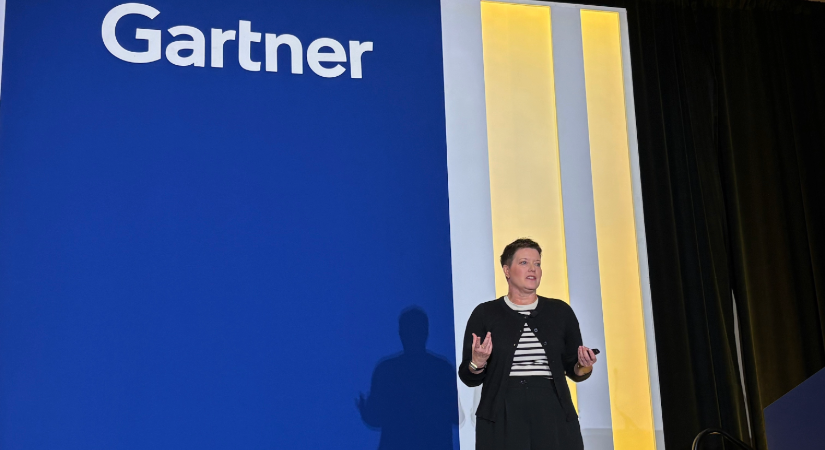
Presented by Kelly Larmon, Director Analyst, Gartner
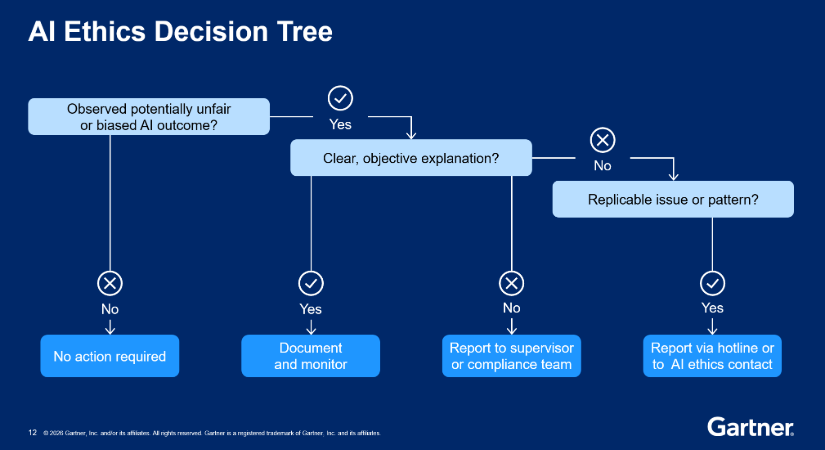
The more AI becomes embedded in everyday business processes, the more employees will encounter AI-driven ethical dilemmas. In this session, Kelly Larmon, Director Analyst at Gartner, explained how compliance and ethics leaders can help employees make consistent, defensible decisions when AI creates ethical gray areas.

Key Takeaways
Ethical dilemmas from AI use differ from traditional compliance questions because often they require choosing between legitimate priorities.
For example, an AI pricing tool recommends charging some customers more
based on predicted willingness to pay. Should the employee prioritize revenue over fairness?Many organizations have already built a strong ethical foundation by establishing acceptable use policies and adopting responsible AI principles, but without clear guidance, employees are left to interpret how to apply the principles themselves, increasing the risk of inconsistent and poorly supported decisions.
CCOEs are well positioned to help employees apply principles to practice because they already manage communication channels, training programs, governance forums, and escalation processes.
CCEOs can help employees put AI ethics principles into practice by incorporating guidance into existing program documentation, e.g. a Code of Conduct; using existing governance structures to address ethical AI challenges; and reinforcing expectations through existing employee touchpoints, such as training, leadership communications and scenario-based discussions.
Journalists can receive additional information and/or request an interview with Kelly Larmon by contacting Rob van der Meulen at rob.vandermeulen@gartner.com.
Reimagining the Compliance Operating Model for Speed, Insight, and Impact
Presented by April Lawrence, Director Analyst, Gartner
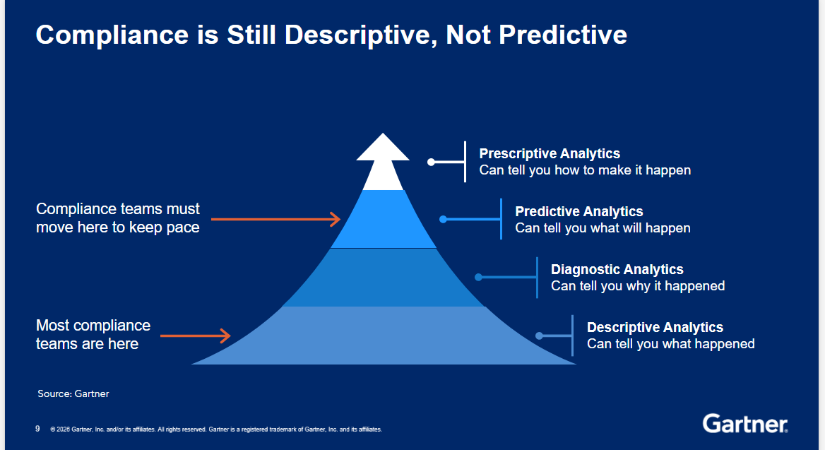
In this session, April Lawrence, Director Analyst at Gartner, highlighted the need for compliance functions to shift from traditional, reactive models to adaptive, data-driven approaches that support speed, insight and measurable impact in today’s fast-changing risk environment.


Key Takeaways
- The pace of regulatory, technological, and business change requires compliance to move beyond static controls and monitoring.
Compliance teams should adopt continuous learning and adaptation, using data and feedback to refine guidance and controls.
Shifting from reactive risk data to predictive signals helps organizations get ahead of emerging risks.
Empowering the business with self-service tools and tailored guidance makes compliance a more valuable partner.
Demonstrating outcomes and impact, rather than just activity, builds credibility and positions compliance as a strategic function
Journalists can receive additional information and/or request an interview with April Lawrence by contacting Rob van der Meulen at rob.vandermeulen@gartner.com.
That's a wrap on the Gartner Enterprise Risk, Audit & Compliance Conference 2026 from Grapevine, Texas. Hope to see you again next year!


About Gartner
Gartner (NYSE: IT) delivers actionable, objective business and technology insights that drive smarter decisions and stronger performance on an organization’s mission-critical priorities. To learn more, visit gartner.com.