By Stan Aronow | October 30, 2026
Delivering ROI Through Autonomous Operations
October 30 2026


By Stan Aronow | October 30, 2026
Gartner recently gathered supply chain, operations and technology executives from across the globe for a Leaders in Action event focused on delivering ROI through autonomous operations.
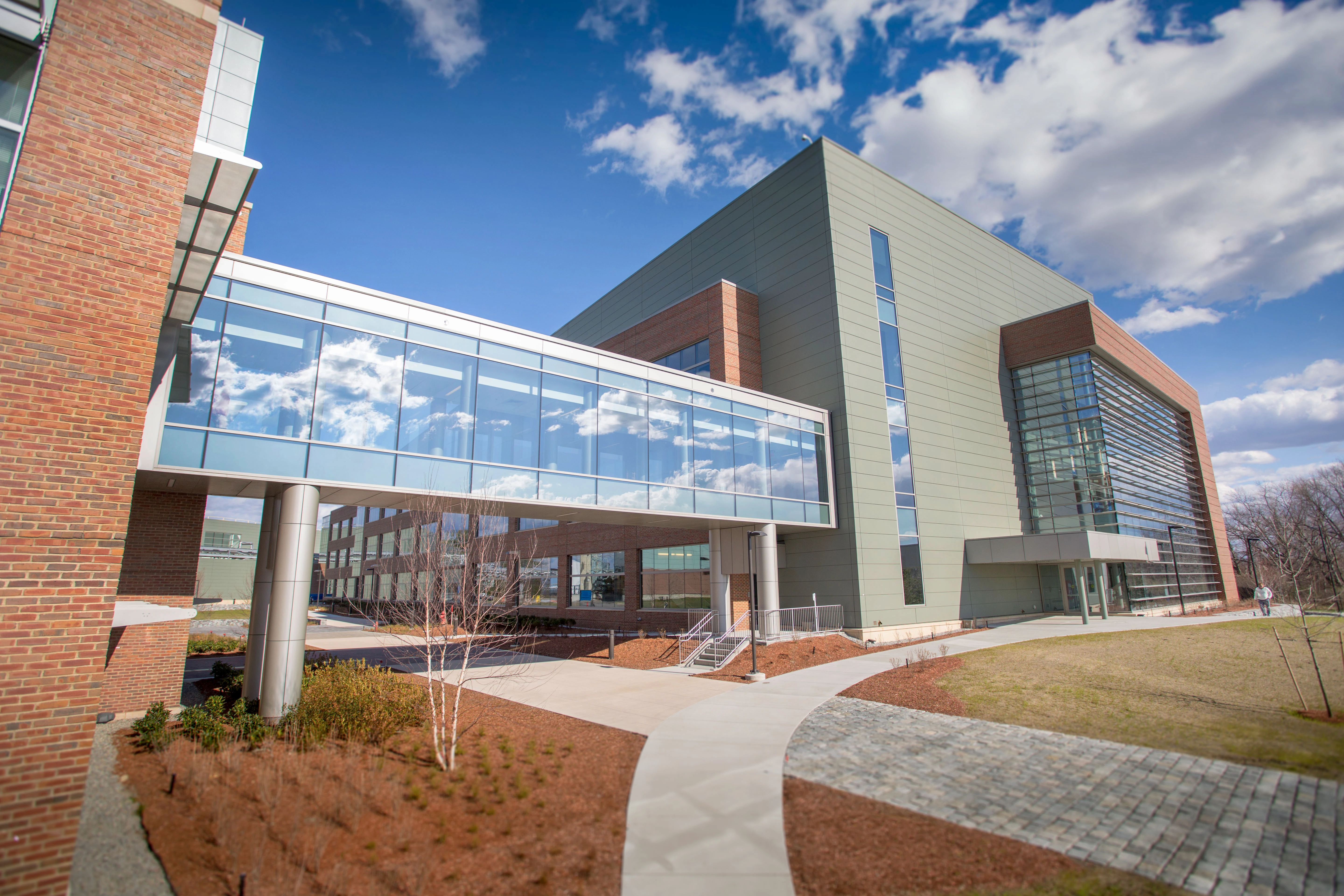
Special thanks to our Bristol Myers Squibb (BMS) co-hosts Catalina Vargas (SVP, global business unit) and Pádraig Keane (SVP, global supply chain), who welcomed our community to explore BMS's Devens, Massachusetts, campus — a World Economic Forum Lighthouse site that is a microcosm of their global network.
Source: Bristol Myers Squibb
Bristol Myers Squibb shared how they transformed their Product Development & Supply (PDS) organization into a resilient, predictive, and patient-ready digital ecosystem. Their journey highlighted several groundbreaking operational and digital breakthroughs:
Jim Tobojka, SVP of operations for TE Connectivity, shared his organization’s Integrated Operations Network (ION) transformation, demonstrating how AI, smart machines, and Intelligent Mobile Robots (IMRs) are deployed across the enterprise, including more than a hundred global manufacturing sites.
Tobojka explained how TE cut logistics costs in half by deploying digital control towers, dynamic freight bidding, and multi-modal optimization. While TE has made significant progress in deploying AI agents across its operations, he emphasized that success must be measured by realized business value, adoption, and replication across the enterprise rather than the sheer number of initiatives.
TE Connectivity has a handful of big bet AI applications that are used across all business units (BUs) and it balances this scaled deployment with the ability for individual BUs to innovate their own AI solutions.
There was a lot of discussion in the room about whether supply chain organizations would yield a sufficient return on their AI investments. It is notable that one of the first AI-related solutions that TE Connectivity deployed was a FinOps application that points AI users toward the most cost-optimal solution for their requirements. Sometimes a hammer will do, despite the temptation to use an expensive power tool.
We also had Arun Chandrasekaran, a distinguished VP analyst from Gartner’s CIO practice, share perspectives with our community. One concept that he used which was newer to some leaders was that of “data gravity.”
Data gravity refers to the way large datasets attract applications and services to where the data is stored. Chandrasekaran described the need to shift toward “semantic gravity,” which is how meaningful, well-interpreted information draws AI and agentic initiatives that depend on that meaning.
Chandrasekaran also highlighted that we’ve seen a more than 90% decrease in cost per token over the past year. Unfortunately, with proliferating agents running recursive calls, token consumption has increased up to 30 times in some companies leading to a much higher Total Cost of Ownership (TCO) for AI solutions.
In response, leading organizations are:
We are grateful for the inspiring insights shared during our time together at BMS in Massachusetts and look forward to continuing these strategic discussions across our COO and CSCO community.
Stan Aronow
VP Distinguished Advisor
Gartner Supply Chain
Stan.Aronow@gartner.com
Beyond Supply Chain
Subscribe on LinkedIn to receive the biweekly Beyond Supply Chain newsletter.