BARCELONA, Spain, May 20, 2025
- Gartner client? Log in for personalized search results.
Gartner Supply Chain Symposium/Xpo 2025 Barcelona: Day 2 Highlights
It’s not too late to join the conference
Overview
We are bringing you news and highlights from the Gartner Supply Chain Symposium/Xpo, taking place this week in Barcelona, Spain. Below is a collection of the key announcements and insights coming out of the conference.
On Day 2 from the conference, we are highlighting sessions on CEO concerns and implications for CSCOs, change management, and AI in supply chain. Be sure to check this page throughout the day for updates.
Key Announcements
Signature Series: CEO Concerns for 2025: The Year of Dynamic Capacity
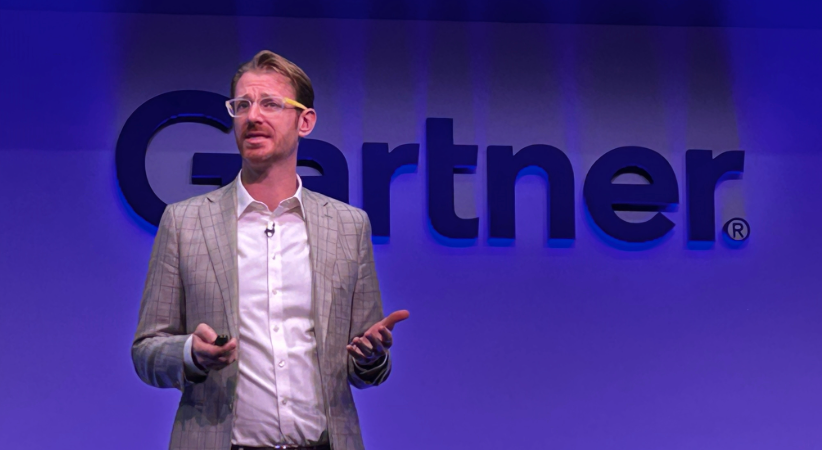
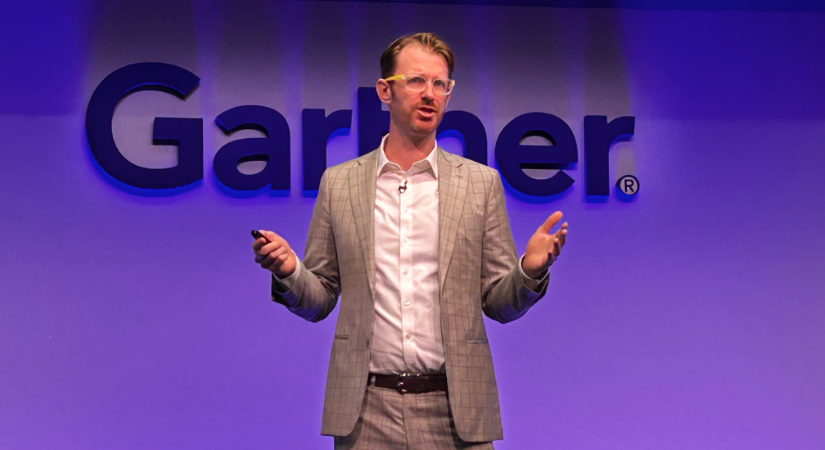
Presented by Thomas O’Connor, Managing VP and Chief of Research, Gartner
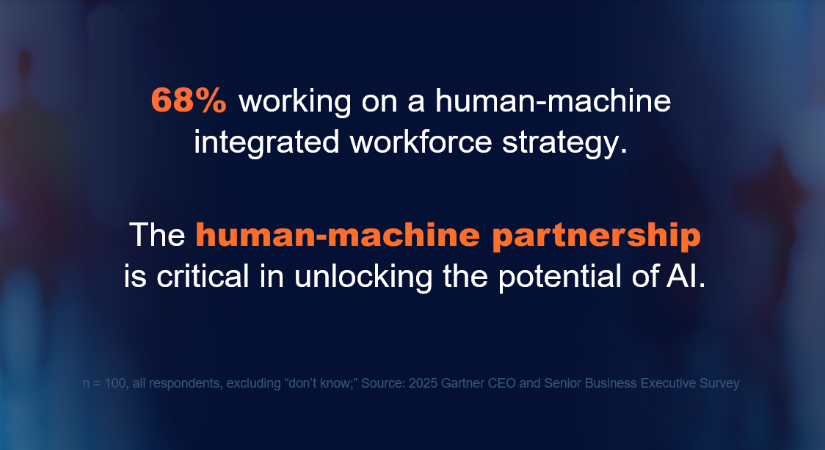
Growth remains the top priority for CEOs in 2025 in an environment full of trade and geopolitical risks. In this session, Thomas O’Connor, Managing VP and Chief of Research at Gartner, shared the key CEO priority shifts that CSCOs should anticipate next, and what they can do to enable supply chain driven business success.
Key Takeaways
“Growth remains the top priority of CEOs, with technology gaining as a priority, and cost management declining compared to last year.”
“Geographic expansion is a top growth priority for CEOs, driven by the need to diversify risks in a volatile and uncertain environment.”
“An overwhelming majority of CEOs (74%) think AI will have the most significant impact on their businesses over the next three years.”
“Two-thirds of CEOs say their operating model is not fit for an AI world.”
“56% of CEOs say they will use AI to de-layer middle management within 5 years.”
Journalists can receive additional information and/or request an interview with the Gartner expert by contacting Justin Lavelle at justin.lavelle@gartner.com.
Reframing Resistance to Change
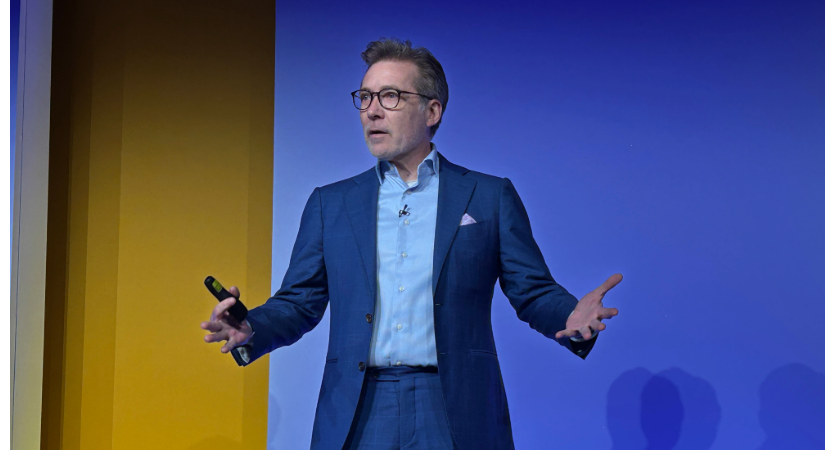
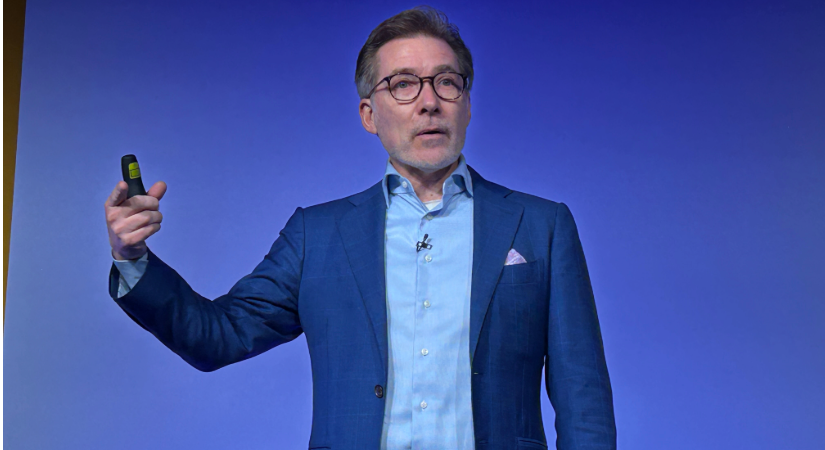
Presented by Ken Chadwick, Distinguished VP, Advisory, Gartner
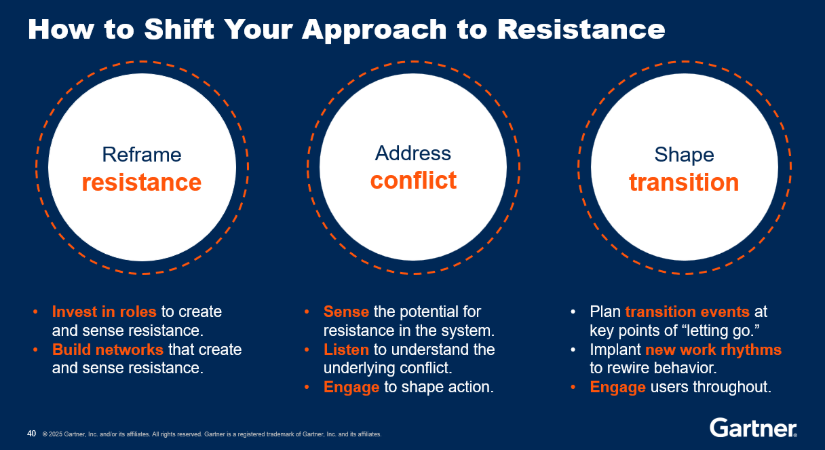
Supply chain employees are confronted by more frequent and larger changes that are broader in scope. Resistance to change is natural and leaders can use this reaction to gather information and improve their processes. In this session, Ken Chadwick, Distinguished VP, Advisory, at Gartner, highlighted how resistance can be reframed as a positive when leaders have adequate tools and strategies to manage it.
Key Takeaways
- “Leaders should reframe resistance from something to be avoided to a mechanism for receiving critical information.”
“Organize specific change management roles to be ‘sensors of resistance’ who can collect information and report back to leadership on pain points, so that they can be addressed.”
“Resistance to change is rooted in conflicts related to risk, loss, priority and time. Understand which conflict you need to overcome and address it.”
“Rather than telling employees what to do, ask them: ‘what would it take for this to be successful?’”
“Viewing transitions as a three-phase process provides opportunities to communicate, design structured user events, and provide training and support as new processes are designed, deployed and adopted.”
Journalists can receive additional information and/or request an interview with the Gartner expert by contacting Justin Lavelle at justin.lavelle@gartner.com.
Supply Chain’s AI Report Card: Successes, Challenges, and the Path Forward
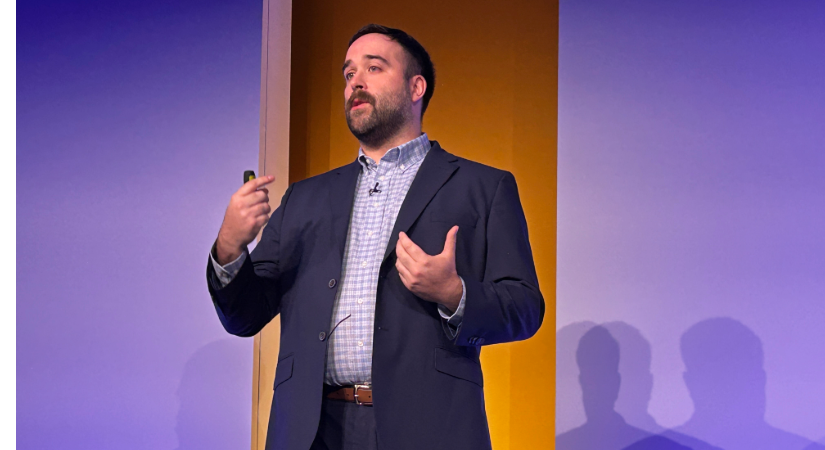
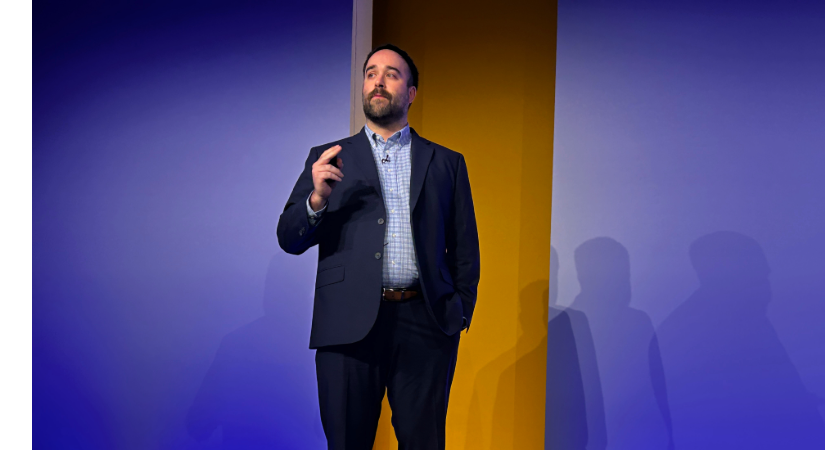
Presented by Sam Berndt, VP Research, Gartner
Among supply chain organizations that have started their AI journeys, two-thirds have scaled deployments of both traditional AI systems and newer generative applications. While many report early successes, challenges lurk under the surface. In this session, Sam Berndt, VP Research at Gartner, provided a report card documenting the early wins and challenges for AI in the supply chain, along with outlining a future implementation roadmap.
Key Takeaways
“Non-generative AI tools are reducing the time employees spend on tasks, with 89% reporting a positive or neutral effect on their work quality.”
“While 70% of supply chain leaders agree on the importance of utilizing AI to reengineer critical supply chain tasks, only 8% have actually implemented these changes.”
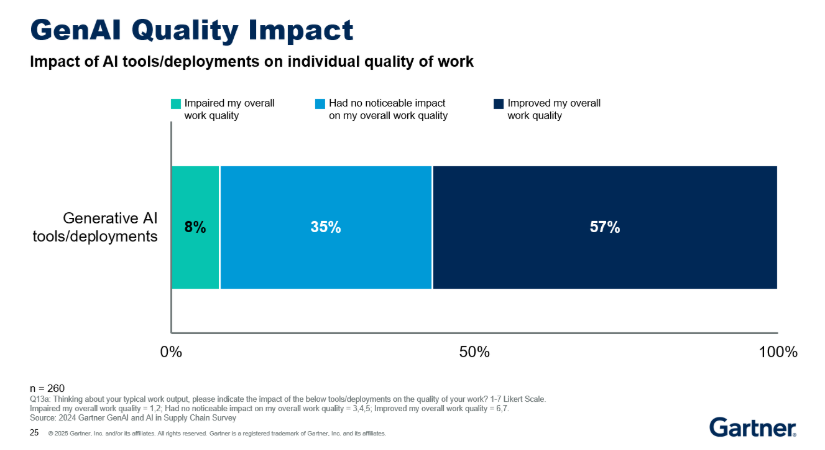
“Early GenAI productivity signals have been good; 89% report reduced time on tasks and 68% report improved work output.”
“Beneath the surface, there are challenges with GenAI productivity, including individual productivity gains not yet translating to the team level.”
“Emerging AI trends for supply chain leaders to monitor include: Agentic AI, Emotion Al and synthetic data support.”
Journalists can receive additional information and/or request an interview with the Gartner expert by contacting Justin Lavelle at justin.lavelle@gartner.com.
That's a wrap on Day 2. Tune back in tomorrow for more updates from the conference.

It’s not too late to join the conference


About Gartner
Gartner (NYSE: IT) delivers actionable, objective business and technology insights that drive smarter decisions and stronger performance on an organization’s mission-critical priorities. To learn more, visit gartner.com.