GOLD COAST, Australia, September 14, 2026
- Gartner client? Log in for personalized search results.
Gartner IT Symposium/Xpo 2026 APAC: Day 1 Highlights
It’s not too late to join the conference
Overview
We are bringing you news and highlights from Gartner IT Symposium/Xpo, taking place this week on the Gold Coast, Australia. Below is a collection of the key announcements and insights coming out of the conference.
On Day 1 of the conference, we are covering sessions on how to navigate the AI agent landscape; the top techology trends in government; agentic AI governance; and how to shift focus from "can AI do this job?"
Key Announcements
Navigating the AI Agent Landscape: A Strategic Guide for IT Leaders
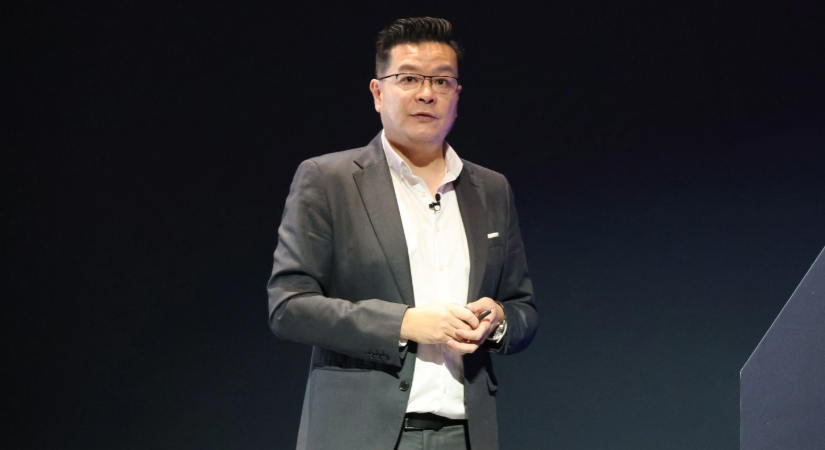
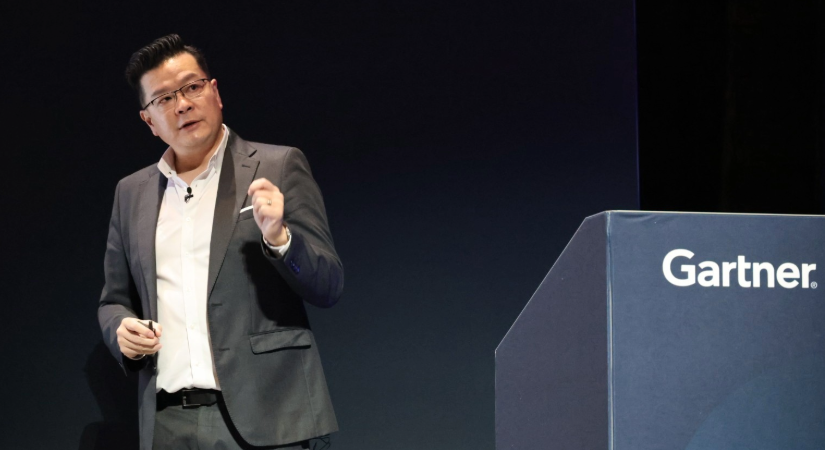
Presented by Adrian Leow, VP Analyst, Gartner
The AI agent ecosystem is rapidly advancing, marked by significant hype and an overwhelming range of choices. In this session, Adrian Leow, VP Analyst at Gartner, provided an overview of the AI agent landscape and outlined evolving deployment models to help IT leaders translate AI opportunity into measurable business value.
Key Takeaways
- “Agentic AI promises transformation, but today’s reality is shaped by hype, limited integration maturity and emerging lifecycle management capabilities.”
- “With the rapid surge of interest in AI agents, many vendors are contributing to ‘agent washing’ by rebranding existing capabilities without true agentic functionality.”
- “Current LLM-based AI agents can efficiently perceive information, but they lack adaptability and fall short in contextualized decision making.
- “Enterprise AI agent platforms offer a balance between speed and flexibility, enabling organizations to deploy quickly, while still tailoring agent workflows to specific business needs.”
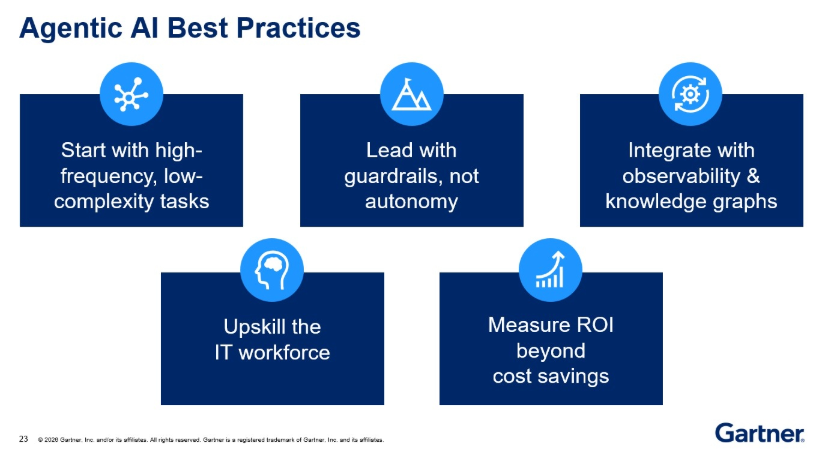
- “To get value from agentic AI, IT leaders should prioritize high-frequency, low-complexity use cases, apply guardrails and upskill the workforce.”
Journalists can receive additional information and/or request an interview with Adrian Leow by contacting Emma Keen at emma.keen@gartner.com.
Government Top Tech Trends and What Leaders Must Prepare For Now
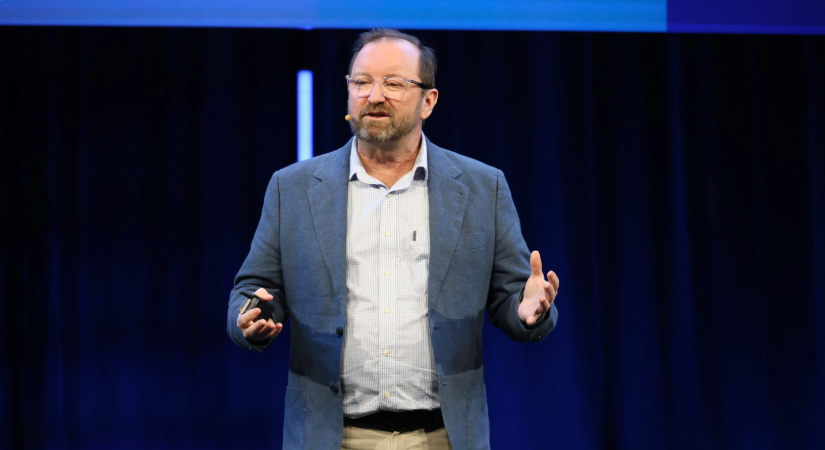
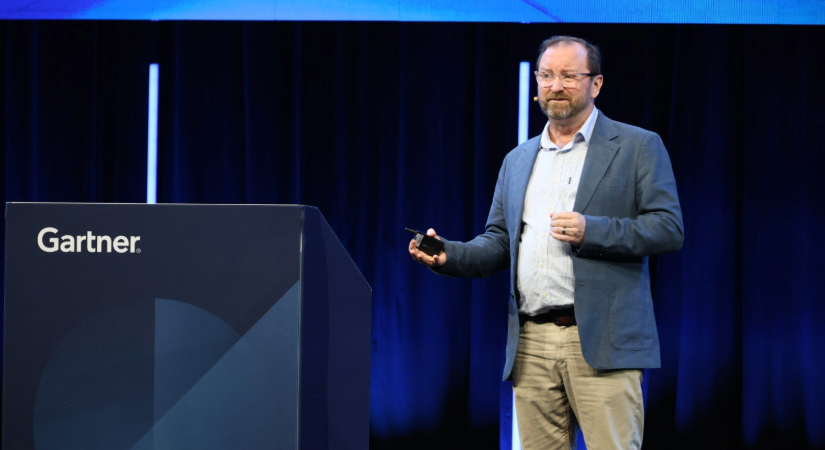
Presented by Dean Lacheca, VP Analyst, Gartner
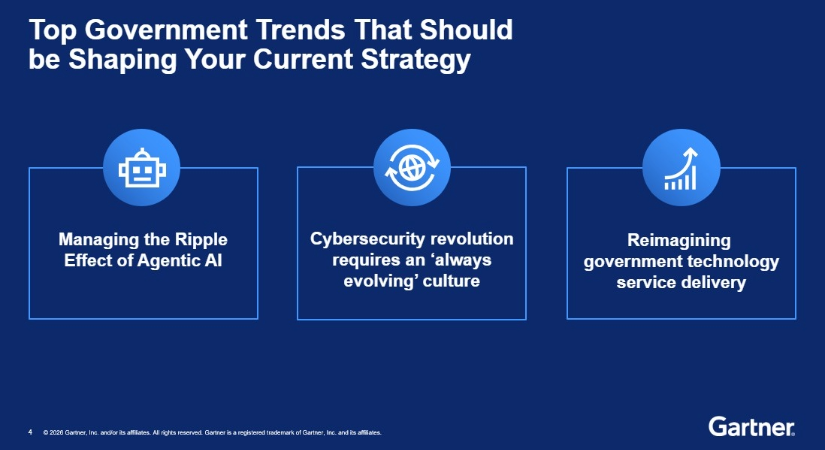
CIOs at all levels of the government are faced with a rapidly changing technology landscape driven by advancing AI capabilities, an impeding shift in cryptography, growing cybersecurity threats and shifting responsibilities for government technology leaders. In this session, Dean Lacheca, VP Analyst at Gartner, discussed these changes and provided recommendations for government CIOs.
Key Takeaways
“Government CIOs are operating in one of the most disruptive periods. AI is reshaping government service delivery; cyber threats are evolving faster than traditional defenses can respond; and agencies are under pressure to achieve more with finite resources.”
Trend 1: Managing the Ripple Effect of Agentic AI: “Success will depend on modern governance, workforce readiness and the ability to redesign business processes, while creating an adaptable foundation for future innovation."
Trend 2: Cybersecurity Requires an ‘Always Evolving’ Culture: "It can no longer be treated as a static function. AI is reducing the time between discovery of vulnerabilities and exploitation, while quantum computing is forcing governments to rethink how they protect sensitive information."
Trend 3: Reimagining Government Technology Service Delivery: “Future-ready organizations will be built around data-enabled and AI-literate workforces. This will require adaptive technology operating models and governance structures that enable technology innovation while maintaining accountability.”
“The challenge is no longer identifying technology opportunities but building organizations that can adapt quickly enough to support and capitalize on them.”
Learn more about the top technology trends in government in the Gartner press release "Gartner Unveils Top Technology Trends in Government."
Agentic AI Governance: Stop, Start, Continue
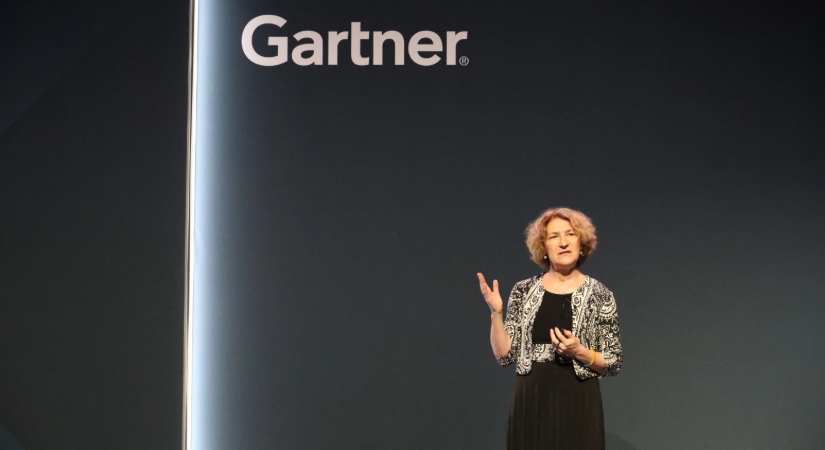
Presented by Svetlana Sicular, VP Analyst, Gartner
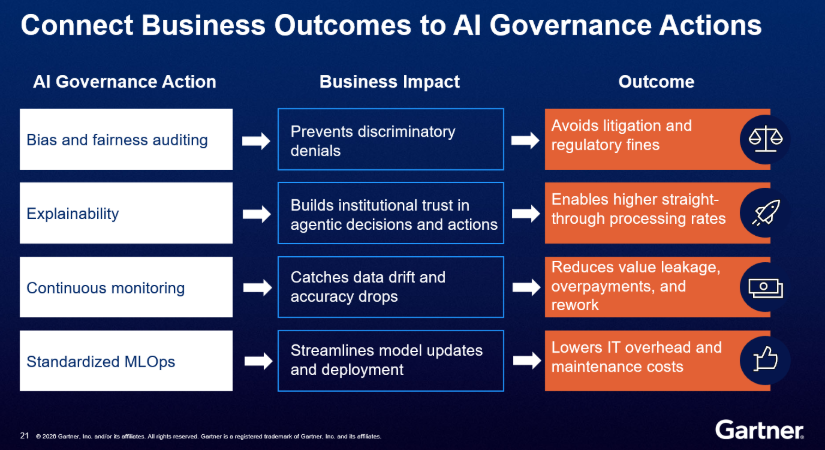
Agentic AI is transforming how organizations approach governance and risk mitigation. In this session, Svetlana Sicular, VP Analyst at Gartner, discussed specific strategies for adapting governance to the dynamic and autonomous nature of AI agents. This includes defining accountability, setting measurable goals, implementing real-time monitoring and providing guidance on successfully achieving outcomes.

Key Takeaways
- “Actively manage agent proliferation by separating governance from management tasks like integration, technology selection and testing. Shift focus from controlling individual agents to achieving enterprise outcomes.”
- “Stop governing for a hypothetical future. Focus on current AI initiatives, implement pragmatic operating models and apply layered guardrails to address current risks and needs.”
- “Start with a basic agentic development life cycle framework as a baseline. This will establish decision rights, roles and standards while ensuring defensible oversight and commonly understood actions.”
- “Continue adding key components of AI governance, such as provenance, traceability and monitoring. Make evidence building a key part of governance actions in case things go wrong.”
- “Design governance to be the driver of enterprise agentic AI velocity.”
Journalists can receive additional information and/or request an interview with Svetlana Sicular by contacting Emma Keen at emma.keen@gartner.com.
Don’t Ask If AI Can Do This Job
Presented by Helen Poitevin, Distinguished VP Analyst, Gartner
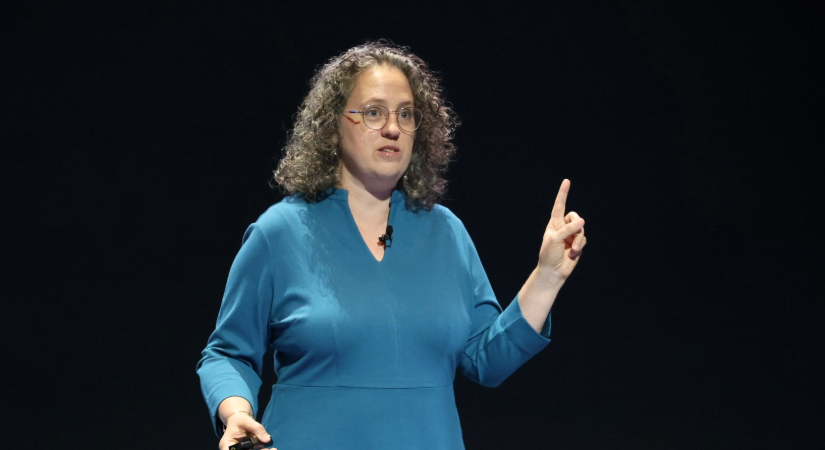
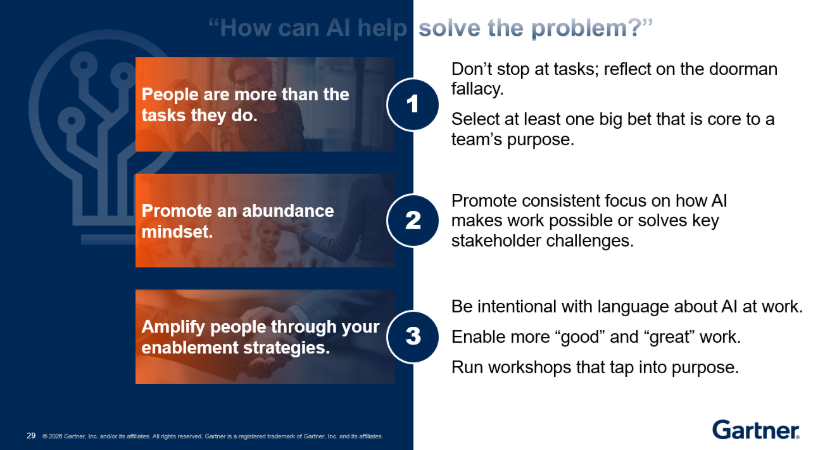
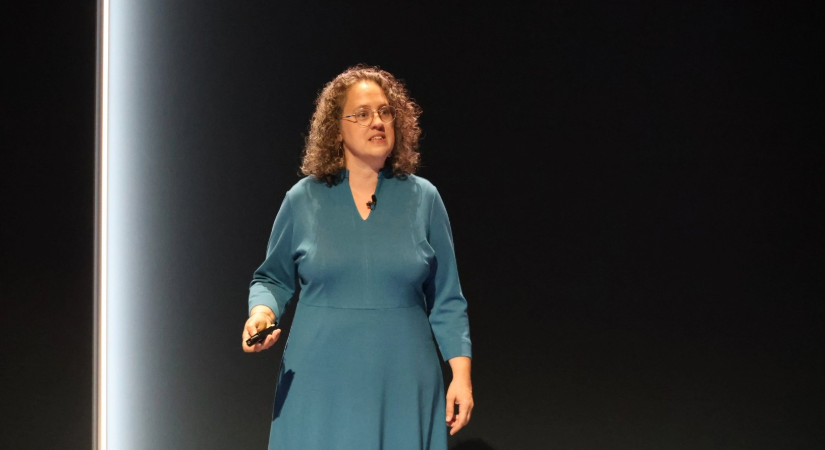
AI enablement is more than just assigning tasks; it’s about solving real business problems. To unlock value from AI, CIOs and IT teams must overcome two main people challenges: scarcity mindset and the doorman fallacy. In this session, Helen Poitevin, Distinguished VP Analyst at Gartner, discussed how to shift the focus from “can AI do this job?” to practical strategies that drive meaningful outcomes.
Key Takeaways
- “Greater business value comes from asking how AI can help, not whether it can do a job. Focusing on problem-solving rather than task automation boosts employee engagement, accelerates adoption, fosters innovation and delivers measurable impact to the business.”
- “In the race for automation, it’s important to remember that people are more than the tasks they perform. Reducing roles to functions can overlook the broader value and impact people bring.”
- “An abundance mindset encourages people to focus on opportunities and transformation, rather than what might be lost. This supports long-term growth as AI and automation reshape the way value is created.”
- “Effective enablement strategies are essential for navigating AI’s ongoing impact. Clear communication, manager support and consistent change management help people adapt and thrive through continuous transformation.”
- “People amplification is achieved when technology helps individuals create more value and make a greater impact in new ways.”
Journalists can receive additional information and/or request an interview with Helen Poitevin by contacting Emma Keen at emma.keen@gartner.com.

It’s not too late to join the conference
Tune in again tomorrow for more updates from the conference.


About Gartner
Gartner (NYSE: IT) delivers actionable, objective business and technology insights that drive smarter decisions and stronger performance on an organization’s mission-critical priorities. To learn more, visit gartner.com.