Kochi, India, November 11, 2024
- Gartner client? Log in for personalized search results.
Gartner IT Symposium/Xpo 2024 Kochi: Day 1 Highlights
It’s not too late to join the conference
Overview
We are bringing you news and highlights from Gartner IT Symposium/Xpo, taking place this week in Kochi, India. Below is a collection of the key announcements and insights coming out of the conference.
On Day 1 from the conference, we are highlighting the Gartner opening keynote presentation, top 10 strategic technology trends for 2025, Gartner’s top strategic predictions for 2025 and discussing why enterprise governance of AI requires a blended approach. Be sure to check this page throughout the day for updates.
Key Announcements
Gartner Opening Keynote: Pacing Yourself in the AI Races
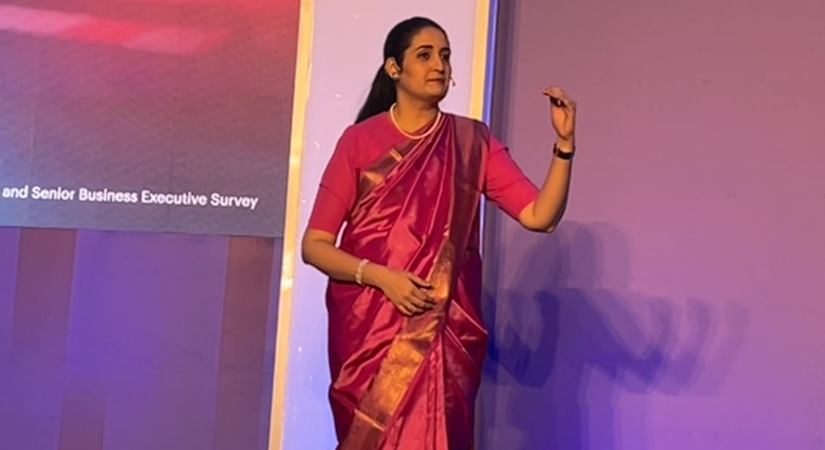
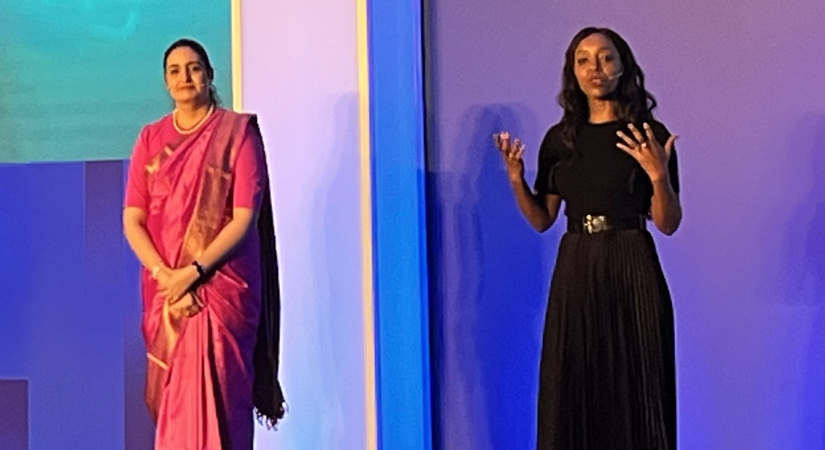
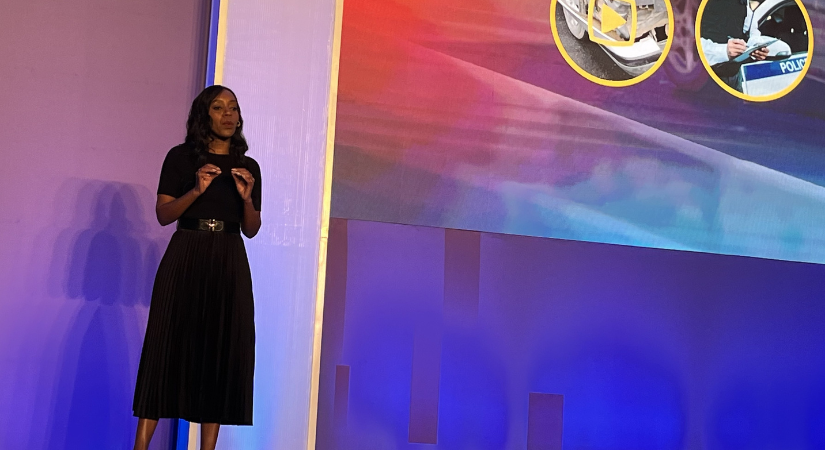
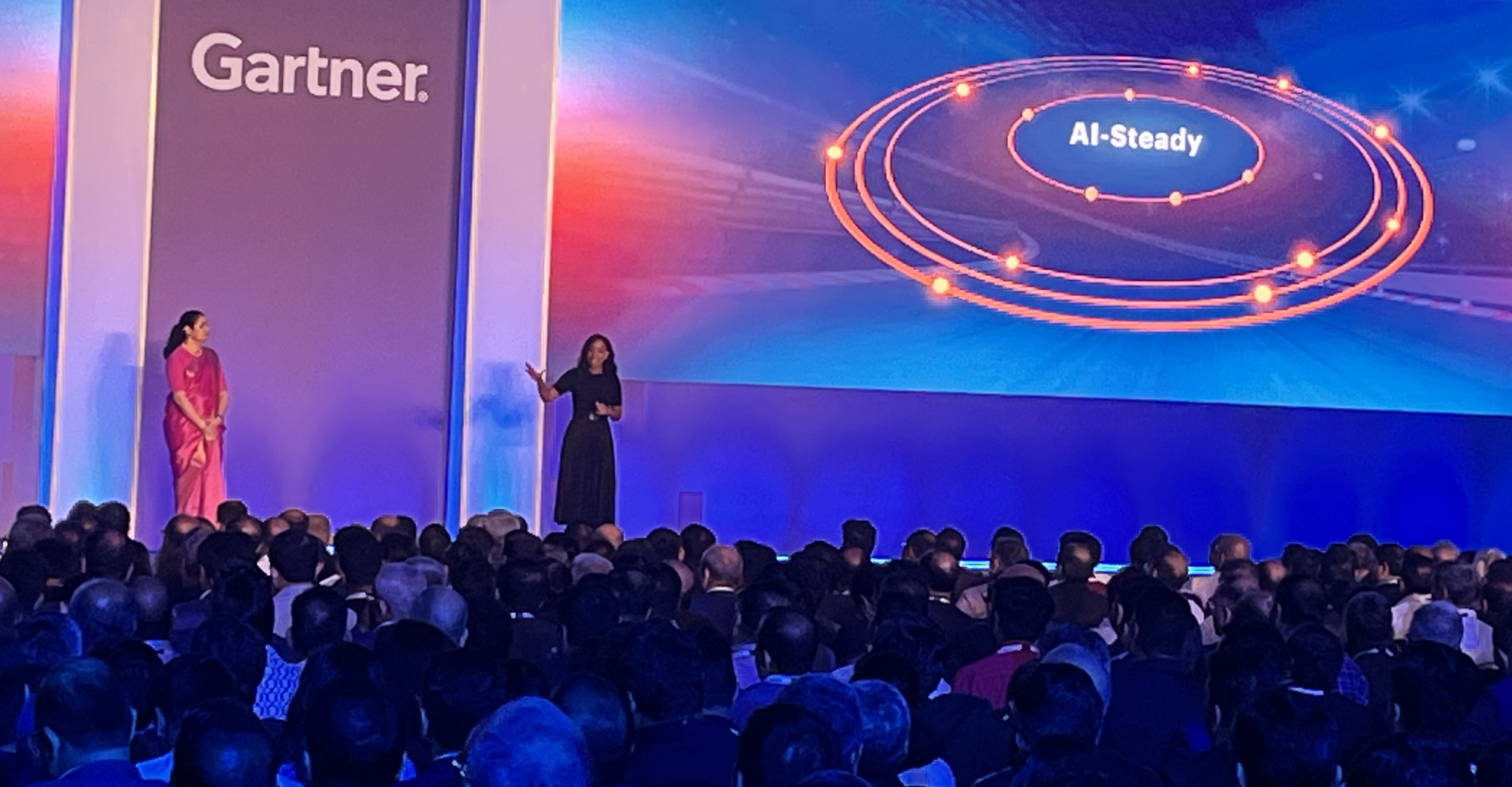
Presented by Shubhangi Vashisth, Director Analyst, Gartner and Mbula Schoen, Sr Director Analyst, Gartner
The majority of CIOs are now tasked with leading their company’s AI strategy. In the Gartner Opening Keynote, Gartner analysts Shubhangi Vashisth and Mbula Schoen discussed the four emerging challenges CIOs face when delivering value from AI safely and at scale.
Key Takeaways
“Because of the relentless innovation happening in the tech vendor race, CIOs feel like they are always living the hype, while the reality of their AI outcomes race - how tough it is to get value - makes it feel like they are also in the trough.”
“CIOs can set the pace in their AI outcomes race.”
“If CIOs have modest AI ambitions, in an industry that isn’t being remastered by AI yet, they can afford to go at a more measured pace.”
“This is an AI-steady pace. For those organizations with bigger AI ambitions, or in an industry that’s being reinvented by AI, the pace will be faster. This is an AI-accelerated pace.”
“Whether CIOs are moving at an AI-steady or AI-accelerated pace, they have to deliver value and outcomes.”
“Productivity gains from GenAI are not equally distributed. Gains vary by employee, not just because of their personal interest and levels of adoptions, but according to complexity of job and level of experience.”
“CIOs should manage AI benefits like a portfolio. Determine the size of your bet in each benefit area, and manage risks and rewards across this portfolio.”
Journalists can receive additional information and/or request an interview with the Gartner expert by contacting Sonika Choubey at sonika.choubey@gartner.com.
Signature Series: Top Strategic Technology Trends for 2025
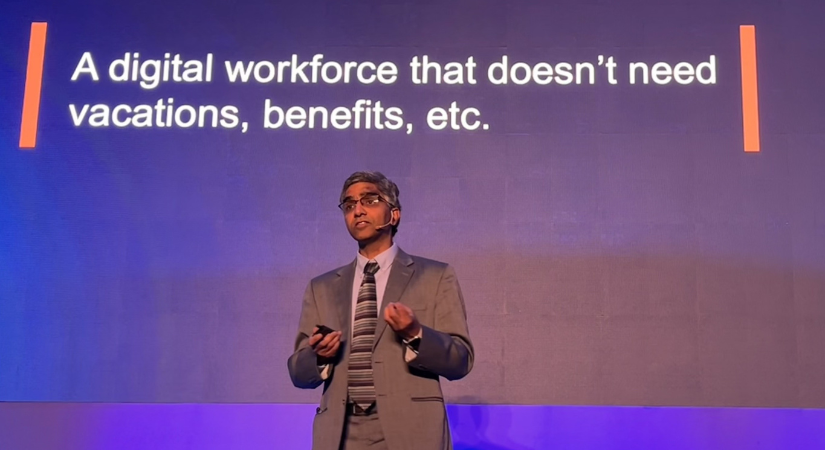
Presented by Arun Chandrasekaran, Distinguished VP Analyst, Gartner
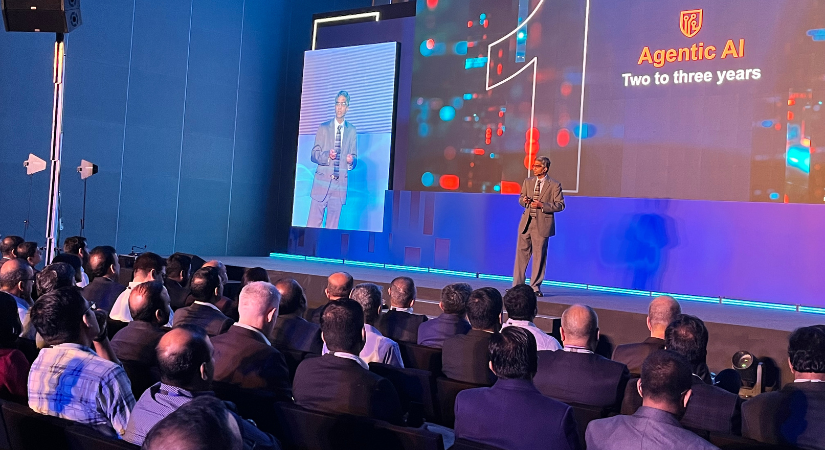
CIOs must take the time to look to the future to lead their organizations to success. CIOs and other IT leaders can use Gartner’s top strategic technology trends to keep their organization heading safely into the future. In this session, Arun Chandrasekaran, Distinguished VP Analyst at Gartner, highlighted the top strategic technologies CIOs must know about to prepare for an uncertain future.

Key Takeaways
- The top trends for 2025 fall into three themes: new frontiers of computing, AI imperatives and risks, and human-machine synergy.
Agentic AI: “Analyze huge amounts of data, make plans, decisions and take action in its target environment, whether physical or digital. It can do things with us or without us. It can act autonomously. It can be everywhere for you.”
Disinformation Security: “An emerging category of technologies aimed at discerning trust, assessing truth and tracking the spread of information.”
Postquantum Cryptography: “Cryptographic algorithm designed to resist attack from both classical and quantum computers.”
Ambient Invisible Intelligence: “Ultra-low-cost tiny wireless tags, devices and sensors. A redefinition of the economics of real-time large-scale tagging, tracking, sensing and intelligence.”
- Spatial Computing: “Emerging computing paradigm that combines physical and digital objects in a shared frame of reference, beyond screen-based displays via mixed reality.”
Journalists can receive additional information and/or request an interview with the Gartner expert by contacting Sonika Choubey at sonika.choubey@gartner.com.
Signature Series: Gartner’s Top Strategic Predictions for 2025 and Beyond: Riding the AI Whirlwind
Presented by Ganesh Ramamoorthy, Managing Vice President, Gartner
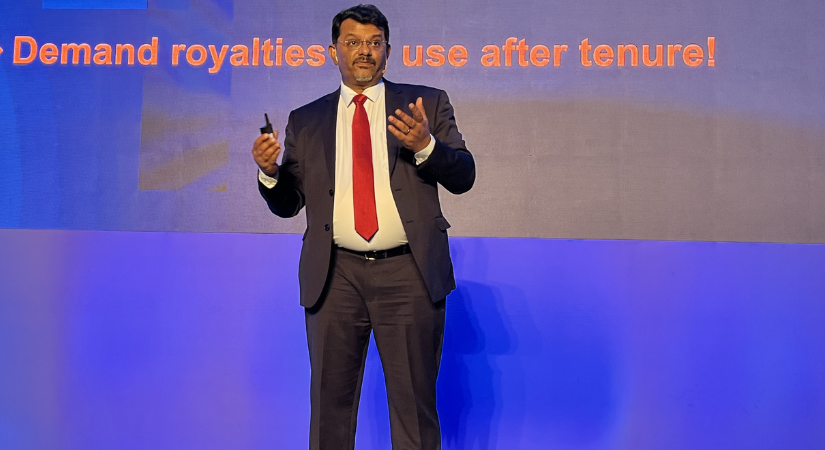
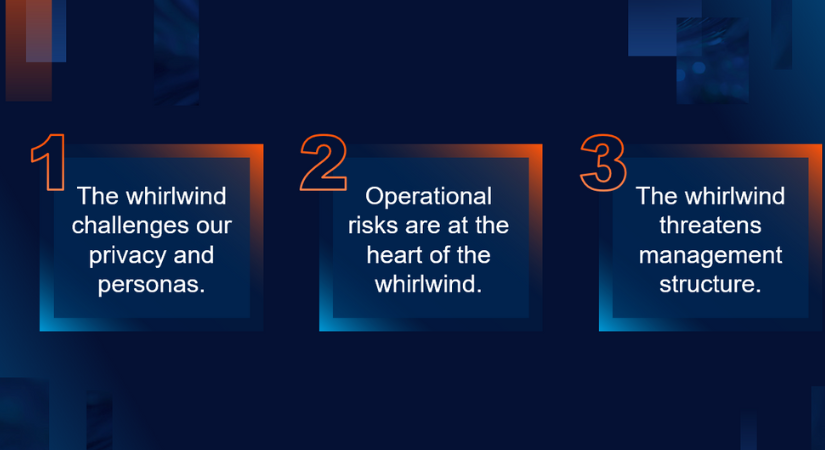
Everything is affected by AI and organizations must learn how to anticipate AI’s impact. In this session, Ganesh Ramamoorthy, Managing Vice President at Gartner, unveiled the top predictions that CIOs can use as a call to action today to prepare for a soft-landing tomorrow.
Key Takeaways
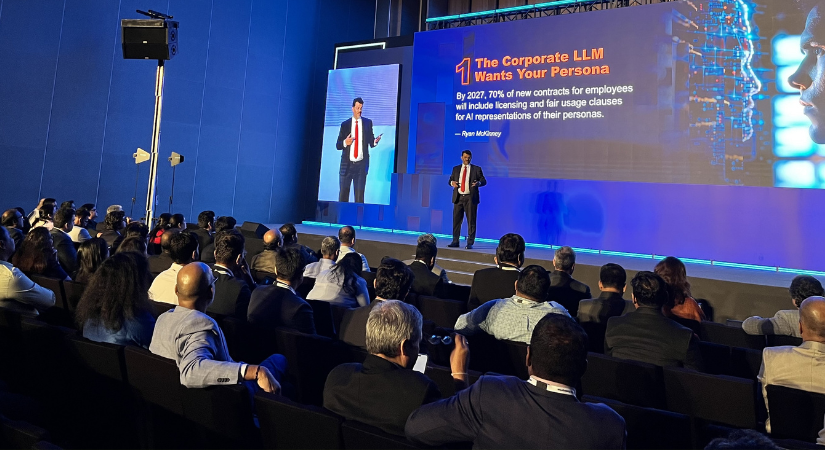
By 2027, 70% of new contracts for employees will include licensing and fair usage clauses for AI representations of their personas. “These are complicated legal issues, and executive leadership, including the CIO, will need to discuss employee contracts with HR for existing and yet to be hired employees.”
By 2028, technological immersion will impact populations with digital addiction and social isolation, prompting 70% of organizations to implement antidigital policies. “As AI gets deeper into the workforce, managers will likely have to consider more effective ‘time-outs.’ They will also need to consider adding to employee benefit plans.”
By 2027, 70% of healthcare providers will include emotional-AI-related terms and conditions in technology contracts or risk billions in financial harm. “Non-verbal cues are important for predicting outcomes and AI can be used in helping to interpret others’ feelings which improves communication. This could lead to significant diagnosis and treatment benefits.”
By 2028, 40% of large enterprises will deploy AI to manipulate and measure employee mood and behaviors, all in the name of profit. “Policies will need adjusting and legal compliance requirements checked/aligned.”
By 2028, 30% of S&P companies will use GenAI labeling, such as “xxGPT,” to reshape their branding while chasing new revenue. “AI can make it very easy for marketing to boost productivity, but the quality of the content still needs careful management.”
Journalists can receive additional information and/or request an interview with the Gartner expert by contacting Sonika Choubey at sonika.choubey@gartner.com.
Enterprise Governance of AI Requires a Blended Approach
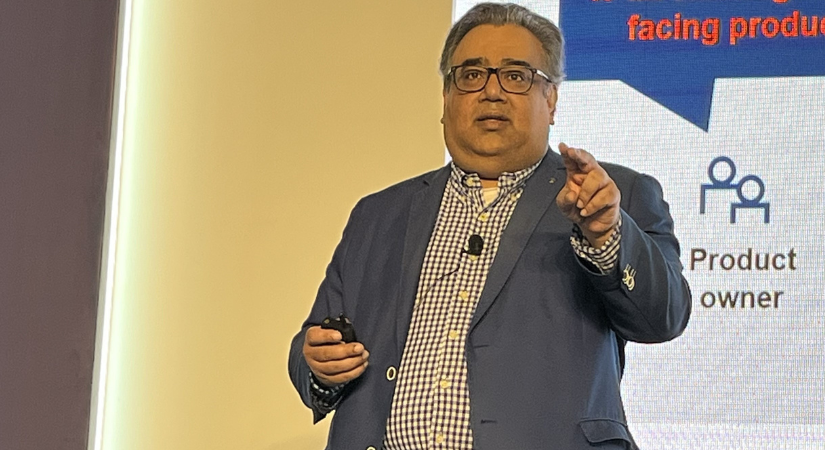
Presented by Remi Gulzar, VP Analyst, Gartner
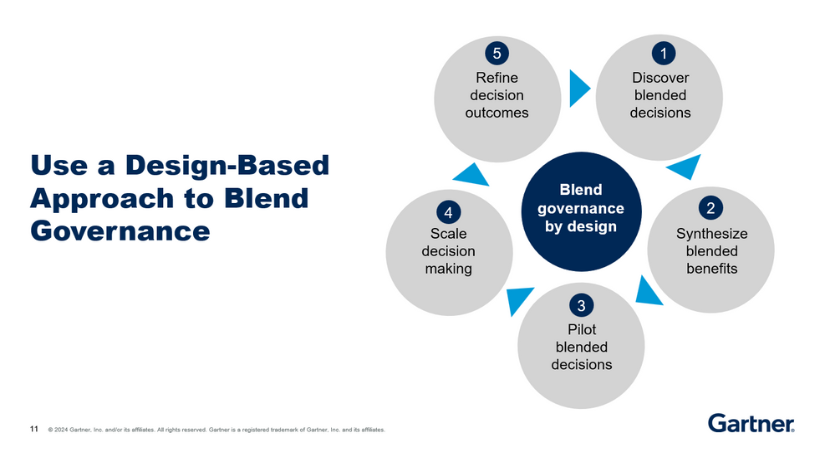
As organizations transition from AI pilots to fully operationalized AI systems, effective governance becomes crucial to ensuring sustained success. Chief Information Officers (CIOs) and executives must blend IT, risk, and data and analytics governance domains to make informed decisions on the responsible use of AI. In this session, Remi Gulzar, VP Analyst at Gartner, discussed how a blended approach to governance practices can be structured to manage the many interdependencies that could impact AI’s performance and reliability.

Key Takeaways
“Enterprise Governance of AI refers to the enterprise capability that evaluates, directs, and monitors the responsible use of AI to achieve business outcomes within enterprise guardrails.”
“AI demands a governance capability that is multidomain and adaptive, making blended decision-making imperative.”
“Blended decisions require orchestration, consultation and delegation toward the best suitable domain to carry accountability for the decision.”
“CIOs need to adjust and recharter domain-based governance mechanisms to support single-domain, orchestrated or blended-governance approaches to AI decision making.”
- “To achieve AI-enabled business outcomes, CIOs must align governance and management disciplines by leveraging an integrated governance framework.”
Journalists can receive additional information and/or request an interview with the Gartner expert by contacting Sonika Choubey at sonika.choubey@gartner.com.
Tune back in tomorrow for more updates from the conference!
It’s not too late to join the conference


About Gartner
Gartner (NYSE: IT) delivers actionable, objective business and technology insights that drive smarter decisions and stronger performance on an organization’s mission-critical priorities. To learn more, visit gartner.com.