Kochi, India, November 12, 2024
- Gartner client? Log in for personalized search results.
Gartner IT Symposium/Xpo 2024 Kochi: Day 2 Highlights
It’s not too late to join the conference
Overview
We are bringing you news and highlights from Gartner IT Symposium/Xpo, taking place this week in Kochi, India. Below is a collection of the key announcements and insights coming out of the conference. You can read the highlights from Day 1 here.
On Day 2 of the conference, we are highlighting the findings of the annual Gartner Board of Directors survey, discussing whether AI will replace software developers, and exploring the future of AI, and how to avoid the top mistakes in enterprise cloud strategy. Be sure to check this page throughout the day for updates.
Key Announcements
Board Priorities for 2025 and What They Mean for You
Presented by Daniel Sanchez Reina, VP Analyst, Gartner
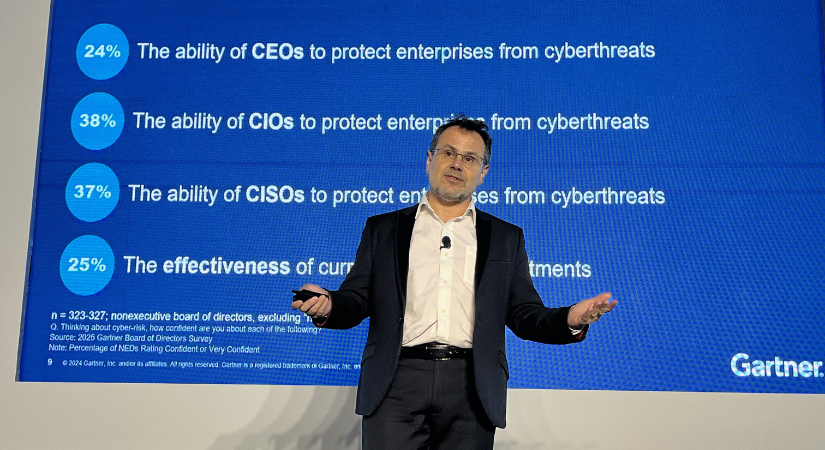
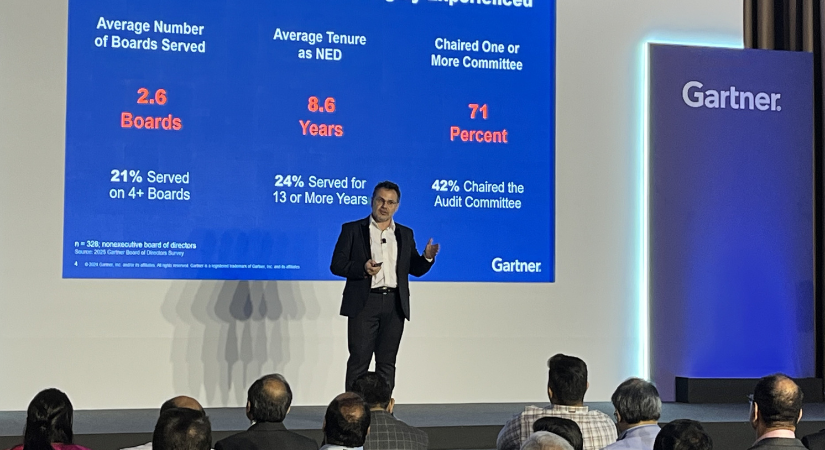
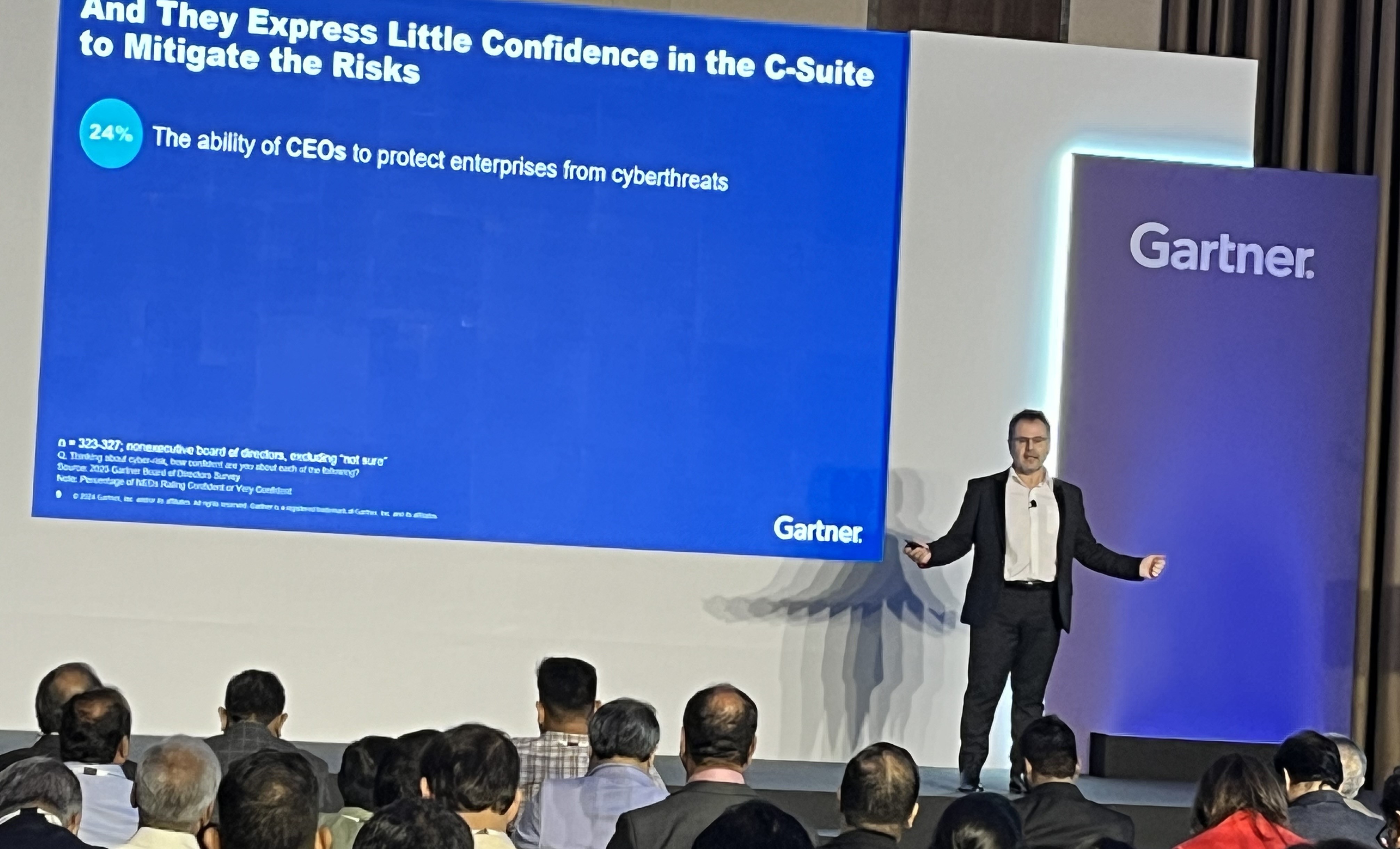
CIOs and IT executives are presenting to non-executive directors more often than ever. In this session, Daniel Sanchez Reina, VP Analyst at Gartner, summarized key results of the Gartner Board of Directors Survey.
Key Takeaways
“58% of Boards would like to see their organization take more technology risk to deliver stakeholder value.”
“Boards anticipate AI (63%), technology generally (57%), and cyber risk (39%) will positively impact shareholder value.”
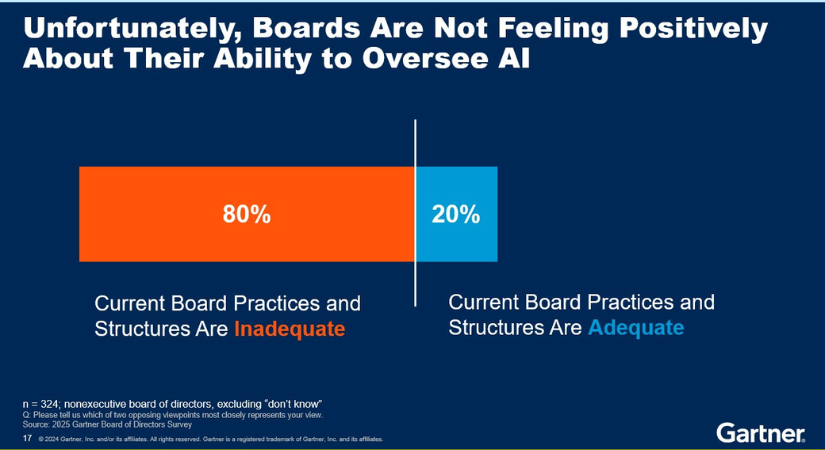
“While 91% of Boards are feeling positive about AI as potential currency, they are not feeling positively about their ability to oversee AI.”
“80% of Boards said their current Board practices and structures are inadequate.”
- “C-level executives should treat the Board as an active fund rather than an index fund to optimize their leadership currency.”
Learn more in the Gartner press release “Gartner Says 80% of Non-Executive Directors Believe Current Board Practices and Structures Are Inadequate to Oversee AI.”
The Future of AI
Presented by Bern Elliot, Distinguished VP Analyst, Gartner
AI is moving very fast, but what realistic expectations should we have about the future of AI, and how will the technology continue to impact organizations and society? In this session, Bern Elliot, Distinguished VP Analyst at Gartner, discussed the foundational elements required for the future of AI and how organizations can prepare for the next big AI surprise.



Key Takeaways
“Move beyond productivity and consider ‘sidekick’-like use cases to fully deliver the promise of AI.”
“Develop minimum viable products by composing and mixing multiple innovative AI techniques as the AI learning curve is incompressible.”
“Prepare for the future and improve the success rate of AI initiatives by applying AI engineering practices.”
“Foster the continuous, effective and responsible use of AI by organizing an AI literacy training program.”
“Adopt responsible AI practices to prepare for more AI regulation through AI risk management.”
“Decouple AI from human intelligence. Aim for AI that enhances problem solving without compromising cognitive diversity.”
Journalists can receive additional information and/or request an interview with the Gartner expert by contacting Sonika Choubey at sonika.choubey@gartner.com.
Avoiding the Top Mistakes in Your Cloud Strategy
Presented by Milind Govekar, Distinguished VP Analyst, Chief of Research, Gartner
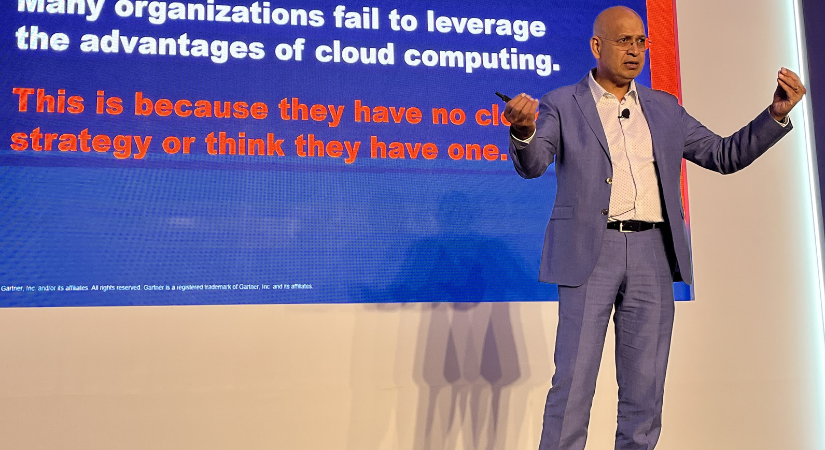
Many organizations either believe they have a working cloud strategy or lack one entirely. Often, they consider only IT needs without input from other parts of the organization. Additionally, they mistakenly equate a cloud strategy with a cloud implementation plan or a data center strategy. In this session, Milind Govekar, Distinguished VP Analyst and Chief of Research at Gartner, discussed the top 10 mistakes to avoid in enterprise cloud strategies.


Key Takeaways
“A cloud strategy outlines the “why” of cloud adoption, driven by business goals and objectives. Without clear objectives, measuring success becomes challenging.”
“Ensure your cloud strategy aligns with existing strategies, as cloud computing doesn’t exist in a vacuum.”
“Keep strategy documents and implementation plans distinct. An organization’s cloud strategy sets the foundation and direction for the adoption plan.”
“Devising an exit strategy requires analyzing critical components such as data ownership, data structure, and portability of code and skills, making these considerations essential.”
“Don’t equate a cloud strategy with ‘moving everything to the cloud.’ This misconception deters leaders from devising a strategy, fearing a forced migration of all applications.”
Journalists can receive additional information and/or request an interview with the Gartner expert by contacting Sonika Choubey at sonika.choubey@gartner.com.
AI Will Not Replace Software Developers (And May in Fact Require More)
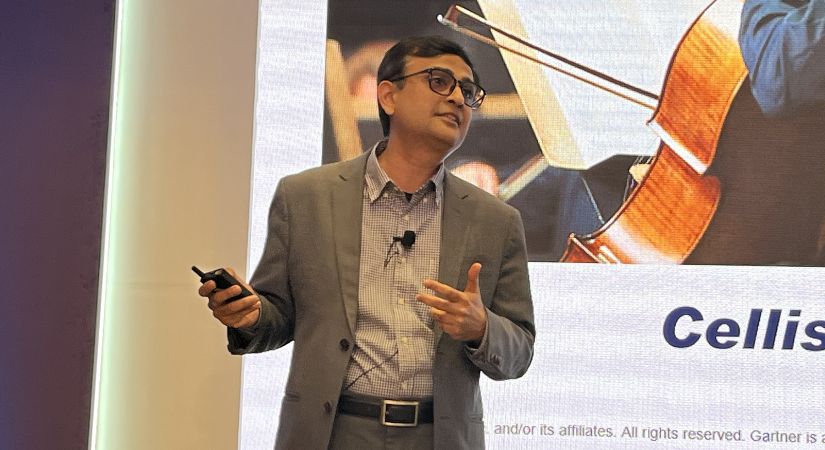
Presented by Manjunath Bhat, VP Analyst, Gartner
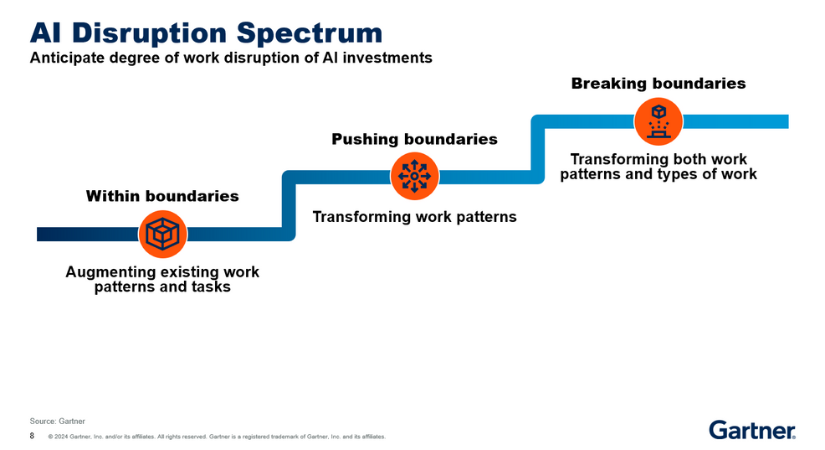
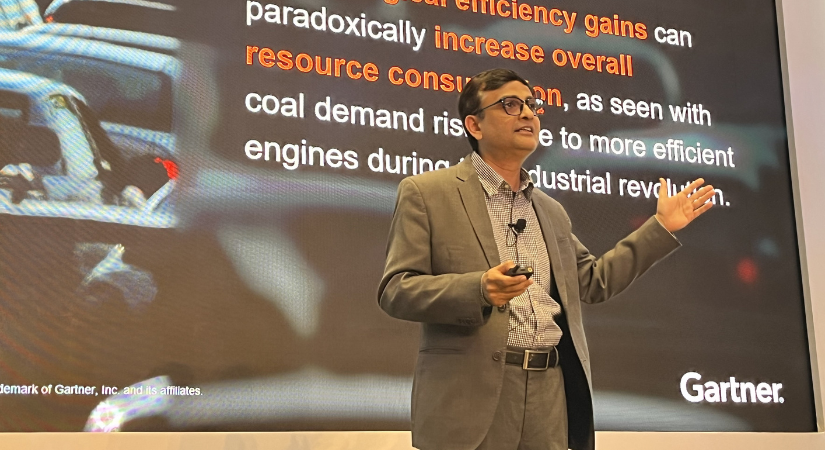
Generative AI is transforming software engineering, leading to predictions that developers may eventually be replaced. However, increased efficiency could paradoxically heighten the demand for skilled engineers. In this session, Manjunath Bhat, VP Analyst at Gartner, discussed the impact of AI on developers and explained how software engineering leaders must plan for AI’s varied effects on developer’s roles and workflows, while preparing for a potential increase in software demand.
Key Takeaways
- “AI tools cannot replicate the critical thinking and problem-solving skills essential for understanding complex problems and producing innovative solutions, which remain unique to human developers.”
“For AI to start having a transformative impact on software engineering, it will need to become more like a peer to which we can offload tasks.”
“Specialized AI software engineering agents will bridge the gap from current AI systems that augment and require strong human supervision, to future systems that can act autonomously and adaptively solve problems.”
“As AI introduces efficiency gains and enables new capabilities, it is likely to further expand the scope of software applications, driving demand for more complex and innovative solutions, requiring the expertise of skilled software engineers.”
“Enterprises need to upskill or hire people to scale up capabilities in high-growth areas like AI engineering, architecture and design.”
Journalists can receive additional information and/or request an interview with the Gartner expert by contacting Sonika Choubey at sonika.choubey@gartner.com.
Tune back in tomorrow for more updates from the conference!
It’s not too late to join the conference


About Gartner
Gartner (NYSE: IT) delivers actionable, objective business and technology insights that drive smarter decisions and stronger performance on an organization’s mission-critical priorities. To learn more, visit gartner.com.