Why AI Isn’t Solving Your Seller Productivity Problem


Every CSO feels it: deals are harder to close, buyers are harder to reach, and AI is raising expectations faster than sales teams can adapt.

The data backs it up. 67% of buyers now prefer a rep-free experience, and 74% of B2B sales leaders say closing deals is significantly more difficult. In response, 87% of sales leaders are rushing to implement AI.

But the payoff isn’t there.

AI isn’t delivering the lift CSOs expected because organizations still lack visibility into the seller behaviors that actually drive performance. Without that foundation, coaching stays generic, metrics stay surface‑level, and AI amplifies noise instead of productivity.

So CSOs are left asking a critical question: “How do I drive more productivity with my sellers to meet this changing landscape?”
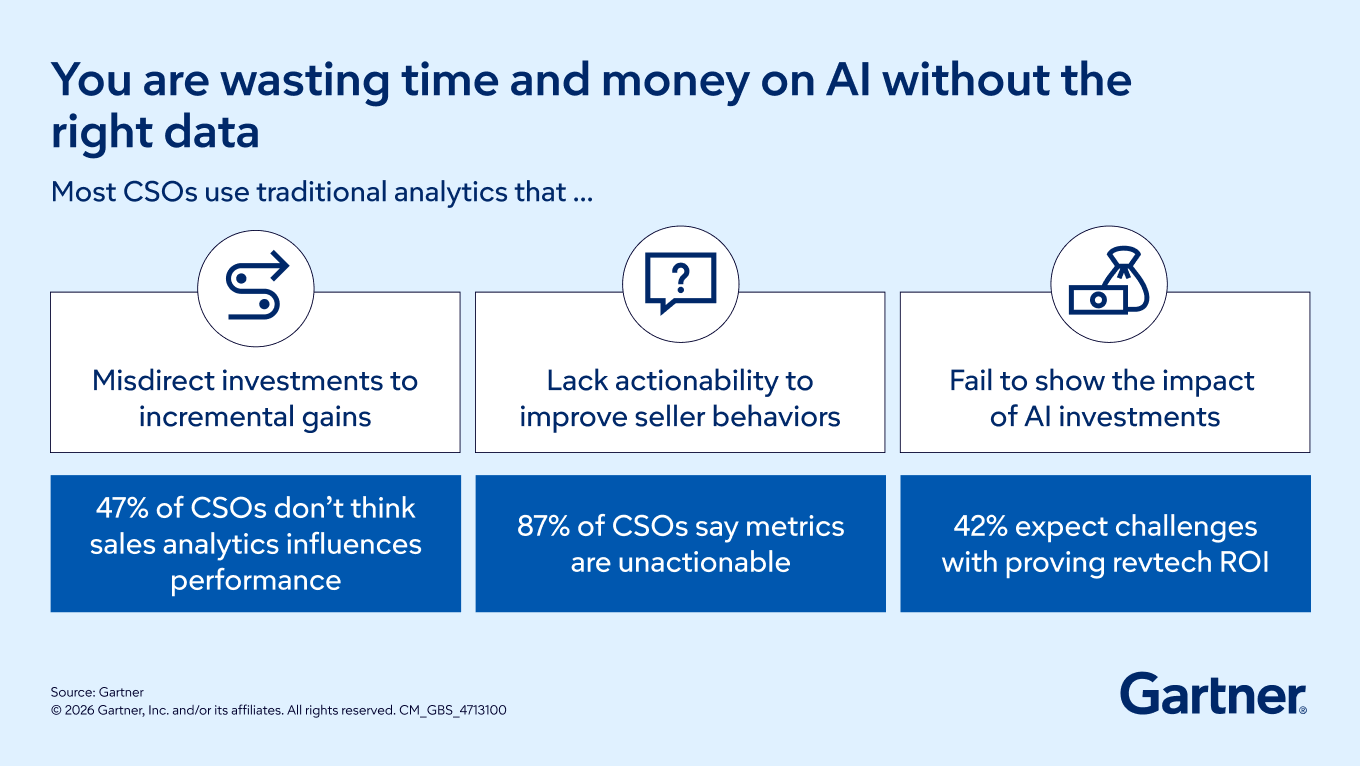
 

You are wasting time and money on AI without the right data
Revolutionize seller productivity with an adaptive analytics approach
1
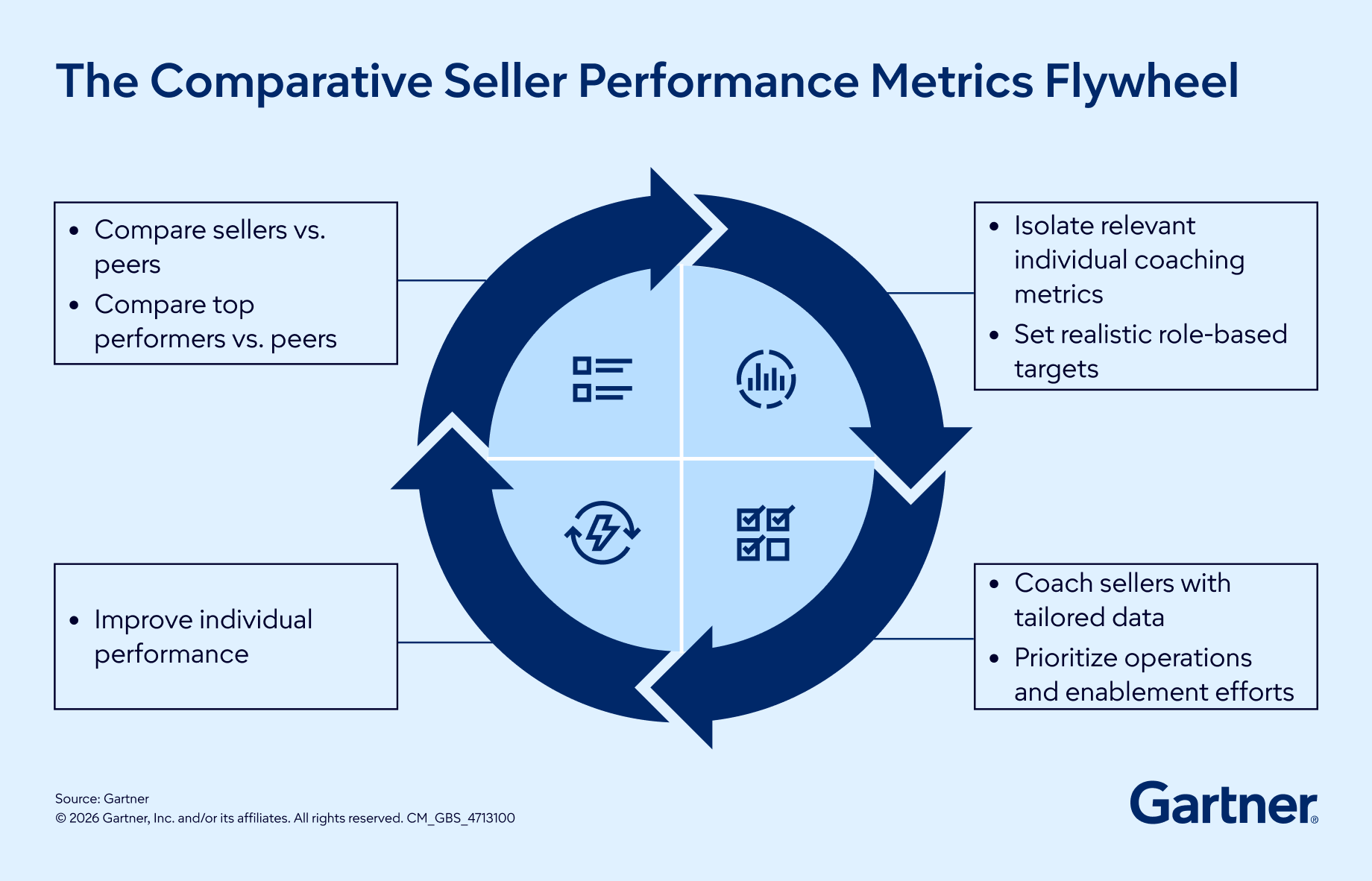
Identify what top performers do differently with comparative seller analytics
2
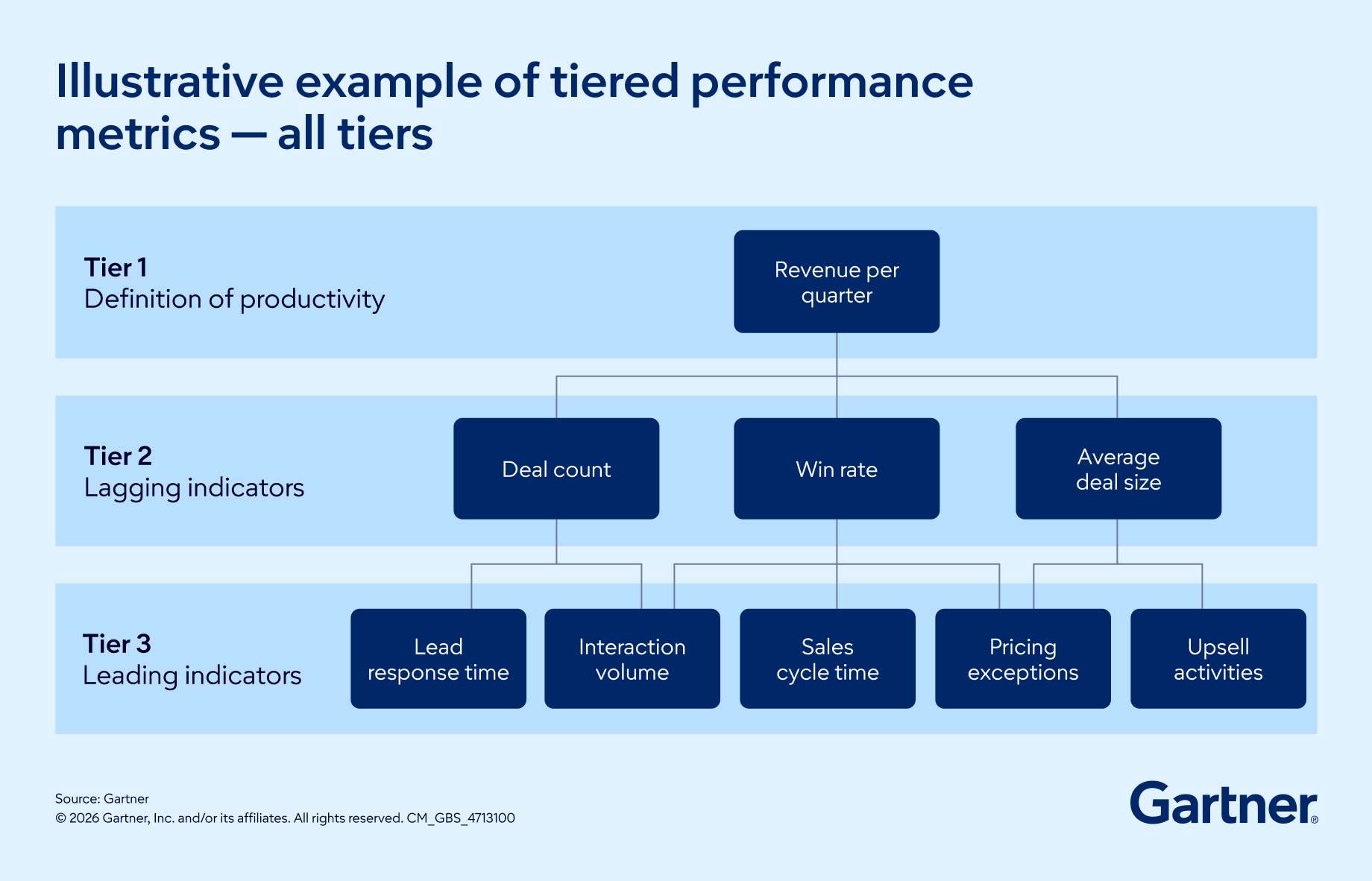
Connect seller behaviors to outcomes with leading and lagging indicators
3
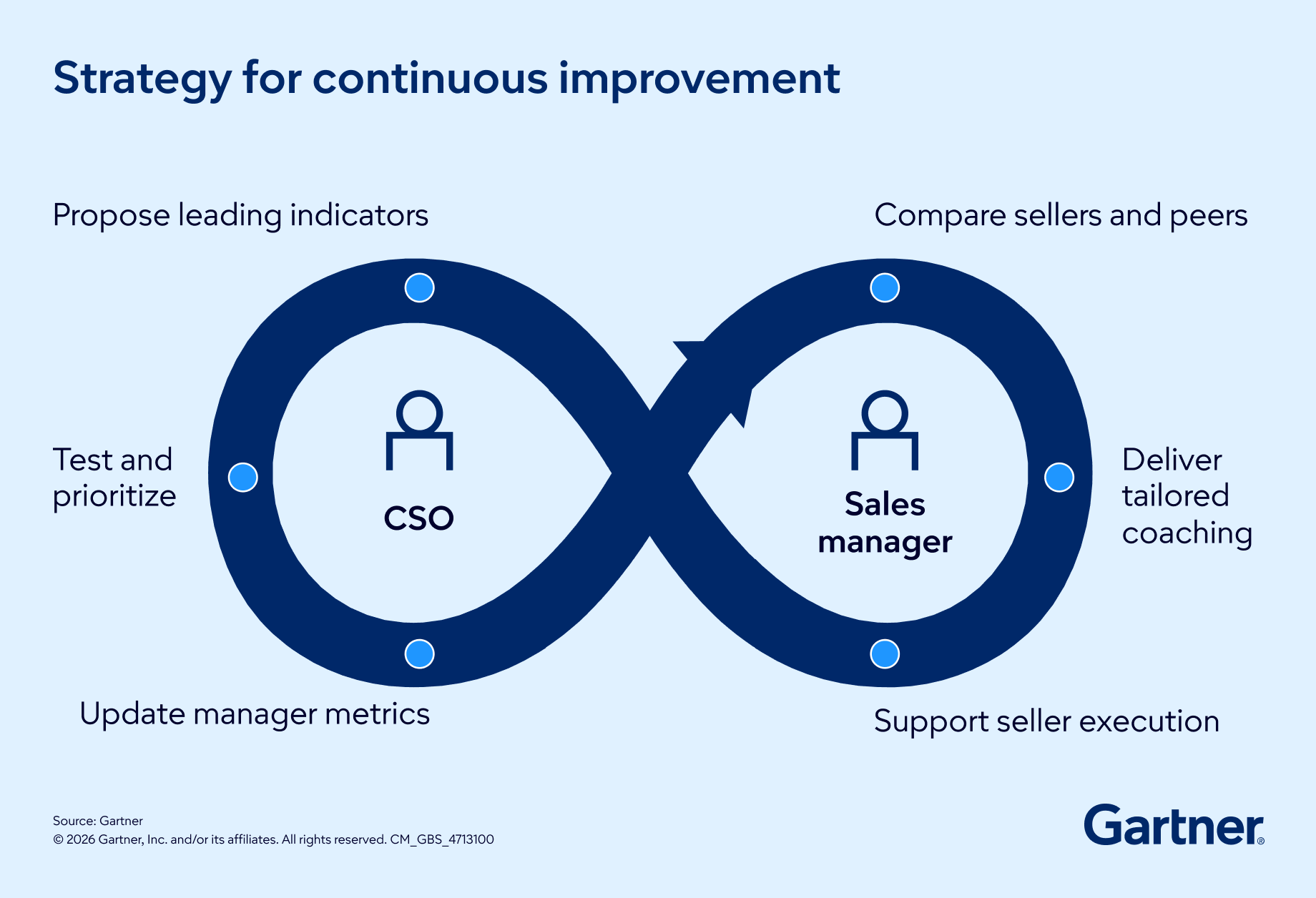
Continously re-evaluate performance metrics to keep pace with changing internal and external pressures and AI

Use Comparative Seller Analytics

Key Actions
  • Define true peer groups so sellers are compared against relevant cohorts.

  • Identify the specific behaviors and interaction patterns that top performers exhibit.

  • Quantify productivity gained or lost by analyzing differences in seller actions and outcomes.

Measurement of Success

Organizations that adopt comparative performance analysis often see improvements in seller engagement, faster ramp times for new hires and increased quota attainment across teams.

Connect Leading and Lagging Indicators

Key Actions
  • Build a three‑tier hierarchy of performance metrics that links seller behaviors to outcomes.

  • Identify the leading indicators that reliably predict stronger pipeline, deal quality, and win rates.

  • Equip managers with clear, behavior‑based signals to guide coaching and intervention.

Measurement of Success

Organizations where frontline sales managers leverage data-driven guidance for coaching are 4.3 times more likely to achieve greatly improved profit growth.

Continously Re-Evaluate Performance Metrics

Key Actions
  • Reassess leading indicators by analyzing top‑seller behaviors and interviewing FLSMs, then synthesize findings into performance hypotheses.

  • Validate these hypotheses using activity and outcome data to quantify correlations between behaviors and results.

  • Communicate any metric or indicator changes to FLSMs and train them on how to deliver data‑driven coaching.

Measurement of Success

By establishing a cadence of reassessment, organizations can maximize the relevance and impact of their performance metrics, ensuring they remain agile and responsive to evolving market dynamics and internal needs. 

Leverage Gartner resources to pinpoint sales productivity and performance levers

Ready for what’s next? We can help.

Access objective insights, exclusive peer networks and expert guidance designed for leaders like you.