LONDON, U.K., September 12, 2024
- Gartner client? Log in for personalized search results.
Gartner CFO & Finance Executive Conference: Day 2 Highlights
It’s not too late to join the conference
Overview
We are bringing you news and highlights from the Gartner CFO & Finance Executive Conference 2024, taking place this week in London. Below is a collection of key announcements and insights coming out of the conference.
On Day 2 of the conference we are looking at the fundamentals of effective data and analytics governance in finance, how to get through finance transformation unscarred, building a team culture that embraces AI and reducing accounting errors via finance technology acceptance.
Key Announcements
Effective Data and Analytics Governance: What Are The Must-Have Fundamentals for Finance?
Presented by Valeria Di Maso, Director Analyst, Gartner
Data and analytics (D&A) success in finance relies on effective D&A governance. Yet, many organizations still apply outdated approaches that result in failure. In this session, Valeria DI Maso, Director Analyst at Gartner, explained the key pillars for healthy D&A governance that FP&A leaders need to know.


Key Takeaways
Poor data quality undermines the consistency and accuracy of finance reporting, inhibits AI adoption, and drives mistrust in data.
Finance leaders should make sure they define the right roles and responsibilities for their finance D&A governance team.
Finance leaders should collaborate with peers to set up the D&A governance strategy, define key cultural expectations and prioritize D&A initiatives.
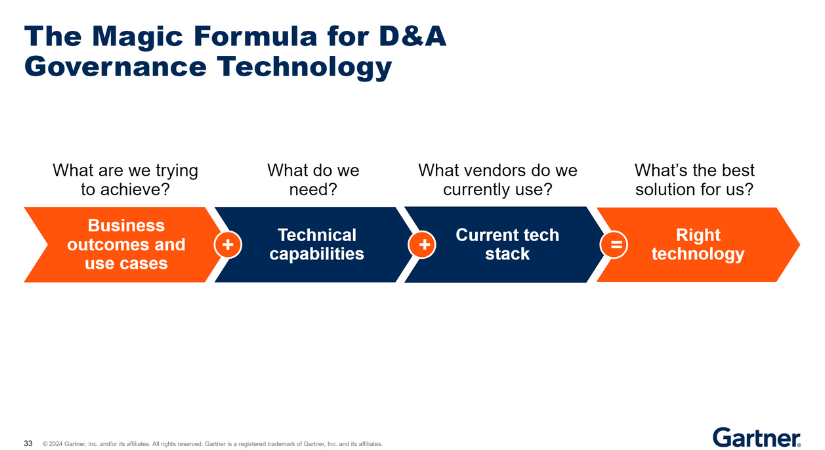
Connect D&A governance with the business outcomes organizations seek to achieve, as well as strategic and operational drivers of those outcomes. This enables finance to scope and prioritize only the data that generate key insights to drive value.
At the beginning, finance leaders should focus on technologies that help scale D&A governance while remaining within finance’s reach to avoid technology misalignment.
Solving the Human Problem: How to Build a Team Culture That Embraces AI
Presented by Clement Christensen, Senior Director Analyst, Gartner
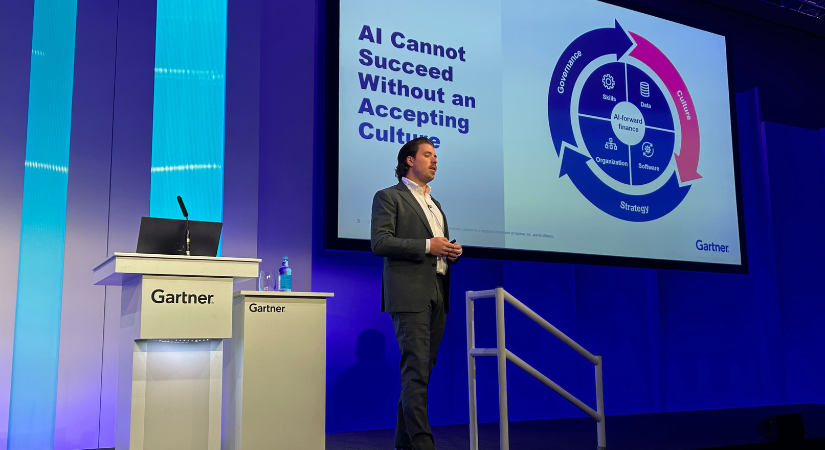
Data science is hard, but getting people to change their habits can be much harder. In this session Clement Christensen, Senior Director Analyst at Gartner, explored the human problems finance leaders must solve to get AI to work.

Key Takeaways
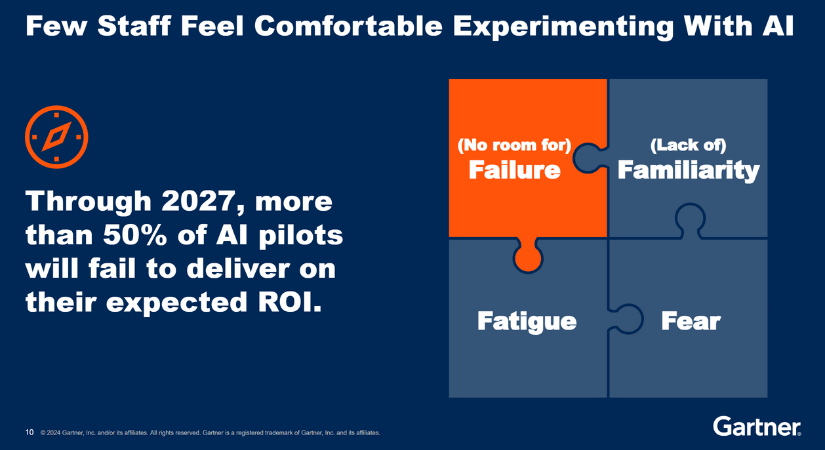
- Among AI early adopters, those who struggled most were 5x more likely to have a culture with low acceptance of AI, driven by a lack of familiarity with the technology, a fear of failure or being replaced, or change fatigue.
Culture is complex, so trying to change culture can be daunting and typically results in grandiose change management activities that are rejected by staff.
At its core, corporate culture is a series of learned habits - and all habits consist of a trigger, a routine, and a reward. A far more productive way to change culture is to hack one of the components of an undesirable team habit.
To be successful, culture hack should have an instant effect and be easy to execute. In most cases, it should take fewer than 48 hours to design and execute.
Break each down into the trigger, routine, and reward and determine where the friction is. Friction being systemic barriers that impact the trigger, routine, or reward.
Get Through Your Finance Transformation Unscarred
Presented by Geraldine Garaud, Senior Director Analyst, Gartner
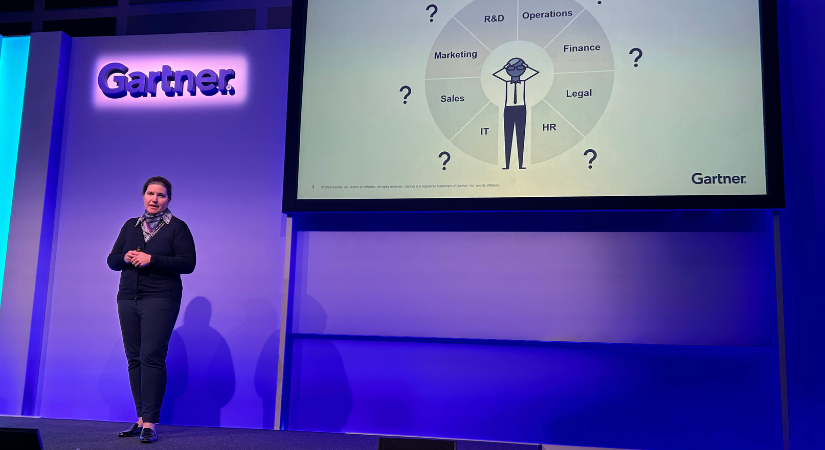
Finance transformation is difficult, and many finance leaders feel they aren’t making good progress. In this presentation, Geraldine Garaud, Senior Director Analyst at Gartner, shared some often underappreciated keys to success.

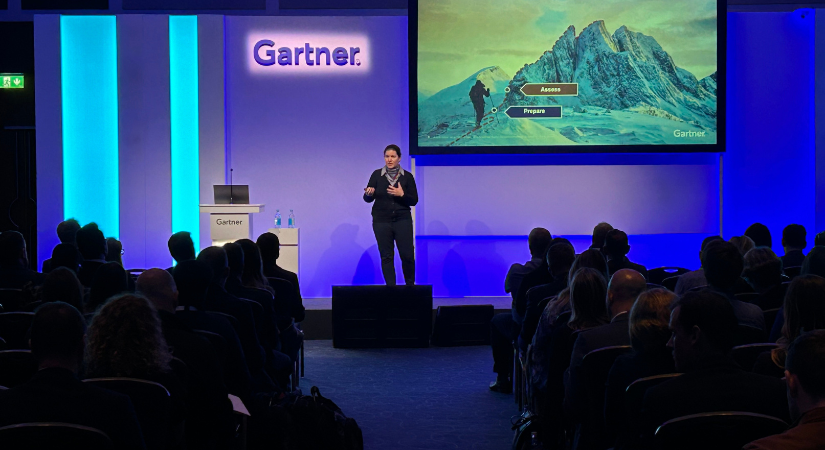
Key Takeaways
- People typically perceive finance transformation in one of three ways: as a threat, a burden, or an opportunity.
- To move people towards seeing finance transformation as an opportunity, transformation leaders must sell their vision: What are we going to be known for? What impact are we going to have? How are we going to deliver our service?
- When communicating transformation ambitions, leaders need to tailor their message and communication channel for their different audiences.
Transformation leaders must account for staff readiness. Even the best teams in the world won’t make much progress if they are carrying past transformation scars and are change fatigued.
- Finance transformations are often significantly delayed because they try to implement too much too soon, trying to implement every ad-hoc request from stakeholders rather than taking a step back and questioning whether an activity makes sense to perform.
Reduce Accounting Errors with Finance Technology Acceptance
Presented by Mallory Bulman, Senior Director Analyst, Gartner
Controllers who seek to reduce errors with technology must first gain employee technology acceptance to succeed. In this session, Mallory Bulman, Senior Director Analyst in Gartner’s Finance practice, explains how controllers must start by checking to make sure the technology works as intended and be transparent with staff about what is expected of them regarding use of the new technology.
Key Takeaways
- Nearly 20% of accountants make errors daily. Technology acceptance is imperative for reducing errors with accounting tasks.
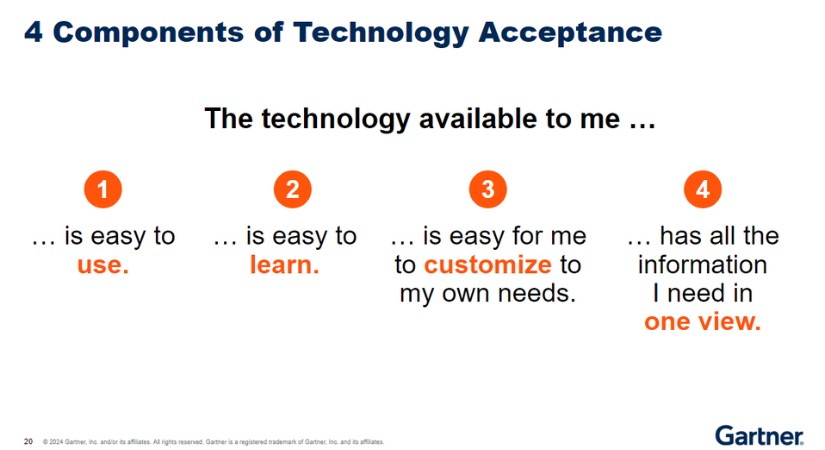
- There are four components of technology acceptance: 1) It is easy to use, 2) It is easy to learn, 3) It is easy to customize to user’s needs, 4) It has all the information needed in one view.
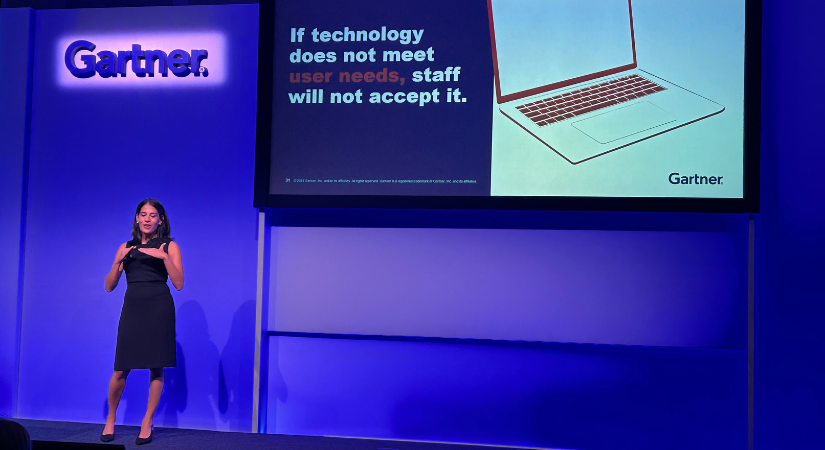
- If technology does not meet user needs, staff will not accept it.
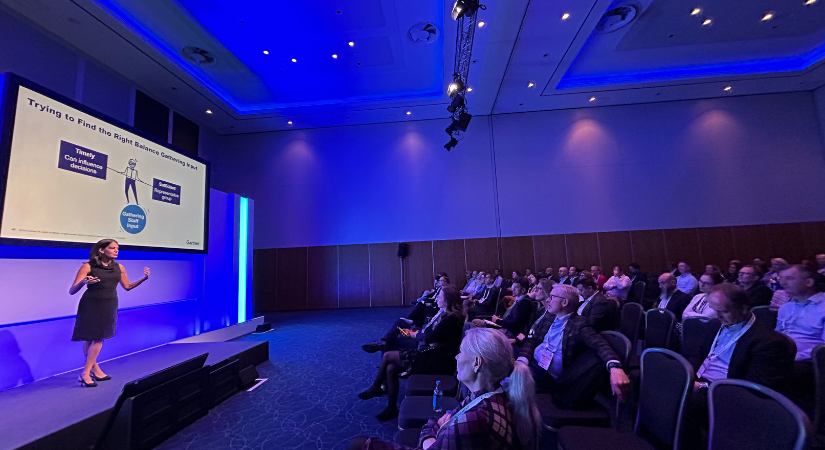
- Three actions help to ensure that user needs will be met: check new technology against criteria for user acceptance, gather staff input at key decision points, and encourage transparency to ensure that technology continues to be accepted over time.
- Staff will naturally be skeptical about some new technology, therefore preparing them for the concrete ways their jobs will change will drive acceptance.

It’s not too late to join the conference


About Gartner
Gartner (NYSE: IT) delivers actionable, objective business and technology insights that drive smarter decisions and stronger performance on an organization’s mission-critical priorities. To learn more, visit gartner.com.