ORLANDO, Fla., October 30, 2024
- Gartner client? Log in for personalized search results.
Gartner HR Research Finds Only 30% of Managers Who Participate in Talent Reviews Believe Their Leadership Bench is Strong
HR Leaders Are Discussing a Better Approach to Talent Reviews at the Gartner ReimagineHR Conference, October 28-30, in Orlando
The May 2024 Gartner survey of nearly 1,900 managers who participate in talent reviews also found:
- Nearly 60% spend at least an hour per employee gathering information.
- During the talent review meetings, 57% spend on average 11-30 minutes discussing and calibrating each employee.
- Sixty-five percent take at least one hour per employee to create development plans post-review.
The latest research around optimizing talent reviews for better leader development was announced during the Gartner ReimagineHR Conference, taking place here through today.
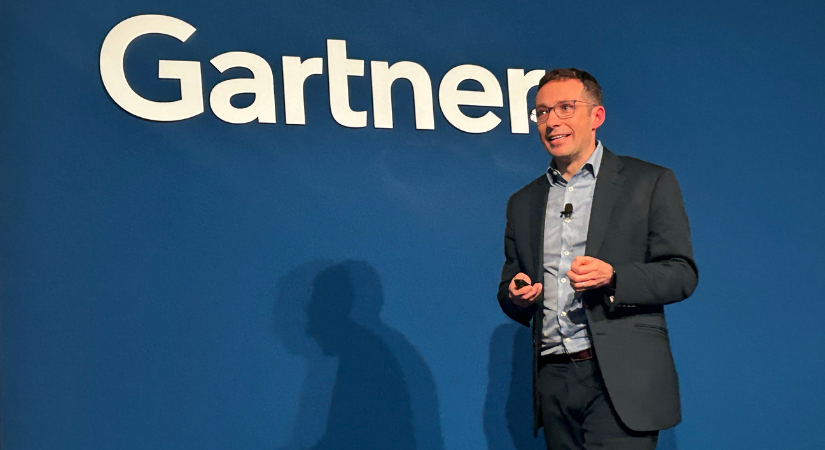
Benjamin Loring, Director, Gartner presenting at the Gartner ReimagineHR Conference in Orlando.
“At most organizations, talent development plans are a direct result of talent reviews, which means getting this right is critical to the strength of the leadership bench and the organization's readiness for the future,” said Benjamin Loring, Director in the Gartner HR practice. “Our research makes it clear – 70% of managers reported that talent reviews are not driving necessary development.”
In the traditional talent review process, talent development occurs at the end. However, this approach – where future development planning comes last – causes three problems:
- After assessing and calibrating their teams, leaders have little energy left to focus on quality development planning and determining concrete next steps.
- Managers and leaders are often left to do detailed development planning on their own; planning may lack context and opportunities for cross-functional development.
- Even with documented plans, leaders can lose sight of them after review meetings, and they can become irrelevant.
“The solution is to embed development across the talent review process, treating development as the first and most fundamental goal of the review process,” said Loring. “This is key as managers are eight times more likely to rate leadership bench strength highly when there is follow through on development plans.”
Gartner has identified three steps organizations can take to shift their talent review process to ensure development is at the forefront:
Ground talent segments in development paths
Currently, at most organizations, leaders assess how their employees are performing and what potential they see in them. Then, after calibration, managers receive a few suggestions or templates for what to do next with their talent.
Leading organizations are adopting a different approach, focusing on the next steps from the start of the process. They ground their talent segment designations in the development actions needed after the review, for instance:
- These employees need more coaching and performance support.
- These employees are ready for stretch assignments and in-role growth opportunities.
- This group of talent needs to accelerate their growth and move onto the next role.
“By focusing leaders on their next steps from the beginning of the assessment, HR is already priming them for a development-focused review with clear next steps,” said Loring.
Build development and mobility into calibration
Most of the discussion in calibration is typically focused on identifying talent correctly – deciding where each employee fits in the review. However, this limits the conversation, leaving leaders to create development plans without peer suggestions.
Leading organizations are using performance calibration as an opportunity to talk about how leaders can best support their employees’ development. Having these conversations with peers in the calibration sessions, helps keeps leaders accountable and provides them with a place to talk through new ideas, learn from others’ examples and discuss what’s not working.
Include post-review development plans in workflows
The HR functions at progressive organizations are providing sustained support after the talent review to monitor progress and update plans.
This sustained support encompasses two facets:
- HR business partners and others are providing key talent data and insights to leaders at regular touchpoints on the progress of their employees and helping them update the plans.
- HR and leaders are integrating talent discussions into regularly scheduled workflows, such as monthly business reviews.
“Organizations that are successful at developing a strong leadership bench orient their talent reviews to that goal,” said Loring.
About the Gartner ReimagineHR Conference
The Gartner ReimagineHR Conference is the premier event for CHROs and HR leaders to learn from the latest research and Gartner experts covering talent acquisition, diversity, equity and inclusion, learning and development, total rewards, talent analytics, and HR technology. Gartner ReimagineHR is taking place October 28-30 in Orlando and December 4-5 in Sydney. Follow news and updates from these events on X using #GartnerHR.
About Gartner for HR Leaders
The Gartner HR practice brings together the best relevant content approaches across Gartner to offer individual decision makers strategic business advice on the mission-critical priorities that cut across the HR function. Additional information is available at https://www.gartner.com/en/human-resources/products/gartner-for-hr. Follow news and updates from the Gartner HR practice on X and LinkedIn using #GartnerHR. Members of the media can find additional information and insights in the Gartner HR Newsroom.
Media contact
Mary Baker
Gartner
mary.baker@gartner.com
Gerri Weinberger
Gartner
gerri.weinberger@gartner.com


Latest releases
About Gartner
Gartner (NYSE: IT) delivers actionable, objective business and technology insights that drive smarter decisions and stronger performance on an organization’s mission-critical priorities. To learn more, visit gartner.com.