London, U.K., September 24, 2026
- Gartner client? Log in for personalized search results.
Gartner Security & Risk Management Summit 2026 London: Day 3 Highlights
Overview
We are bringing you news and highlights from the Gartner Security & Risk Management Summit, taking place this week in London. Below is a collection of key announcements and insights coming out of the conference. You can read the highlights from Day 1 and Day 2 here.
On Day 3 of the conference, we are highlighting the top cybersecurity predictions for 2027 and beyond, explaining how to fight AI disinformation, and sharing ways CISOs can optimize their organization’s infrastructure security. Be sure to check this page throughout the day for updates.
Key Announcements
Top Cybersecurity Predictions for 2026
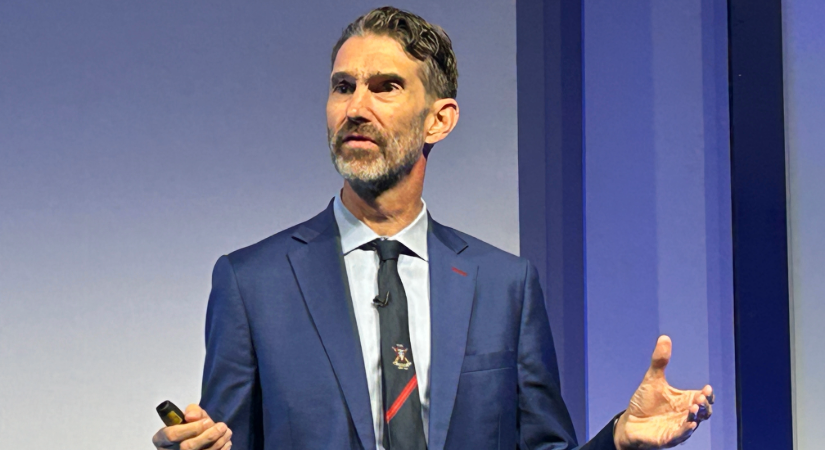
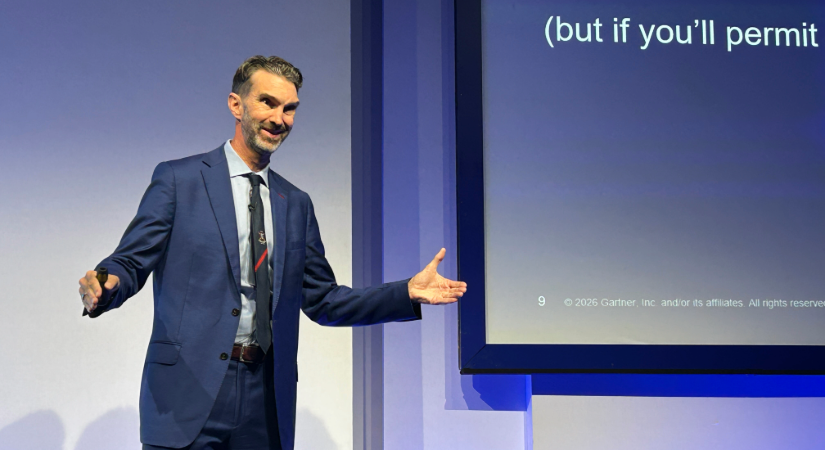
Presented by Charlie Winckless, VP Analyst, Gartner
The cybersecurity landscape is undergoing rapid transformation, challenging security leaders to balance evolving threats, regulatory demands, and business risk. In this session, Charlie Winckless, VP Analyst at Gartner, explored Gartner’s top cybersecurity predictions for 2026 and beyond, helping leaders build a resilient security posture for long-term success.
Key Takeaways
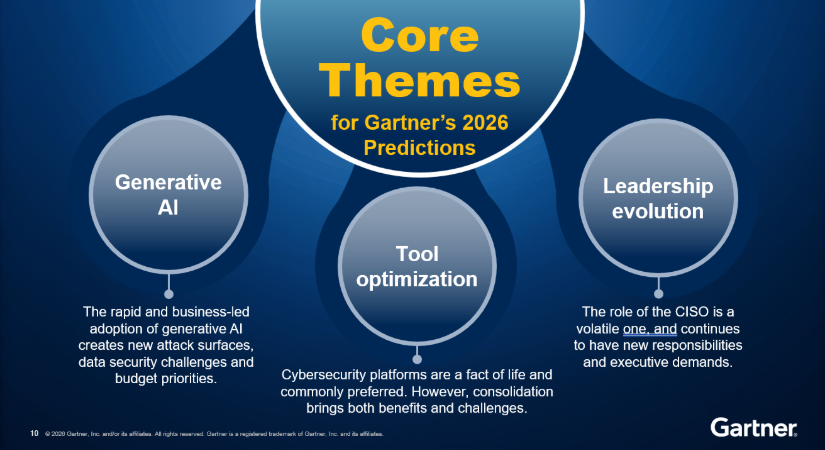
- Gartner’s top cybersecurity predictions for 2026 fall into three core themes: Generative AI, Tool Optimization, and Leadership Evolution.
By 2028, 50% of all enterprise cybersecurity incident response efforts will focus on incidents involving custom-built AI-driven applications. “Implement a comprehensive inventory of all AI-enabled applications in use to ensure visibility and accountability.”
Through 2030, one-third of the work in IT will be spent remediating AI data debt to secure AI. “Initiate a collaborative data management program and prioritize remediation efforts to address the most pressing vulnerabilities.”
By 2027, 30% of organizations will require comprehensive sovereignty of their cloud security controls to address continued geopolitical turmoil. “Actively monitor and partner with legal counsel to assess the changing regulatory environment.”
By 2028, 70% of CISOs will utilize identity visibility and intelligence capabilities to shrink the IAM attack surface, reducing the risk of credential compromise. “Use AI techniques and tools for identity anomaly identification.”
- Journalists can receive additional information and/or request an interview with Charlie Winckless by contacting Laurence Goasduff at laurence.goasduff@gartner.com.
Fight AI Disinformation: A CISO Playbook
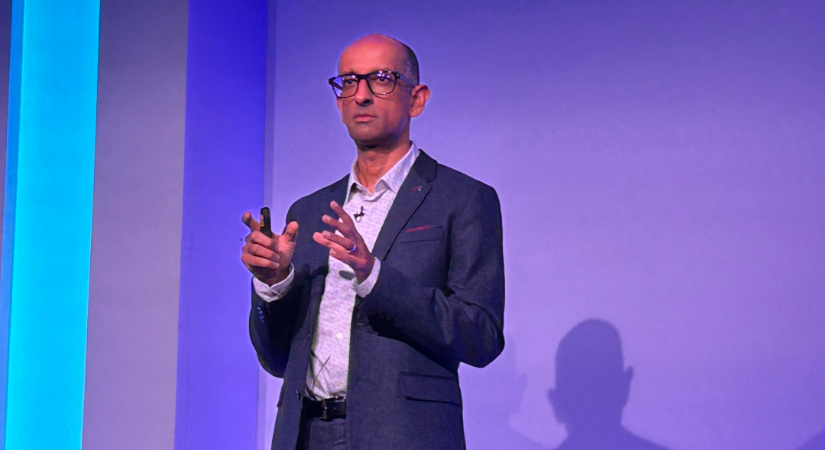
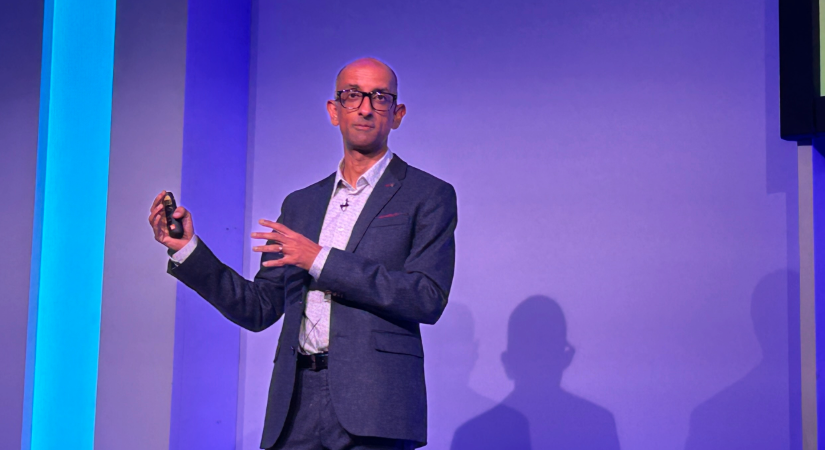
Presented by Akif Khan, VP Analyst, Gartner
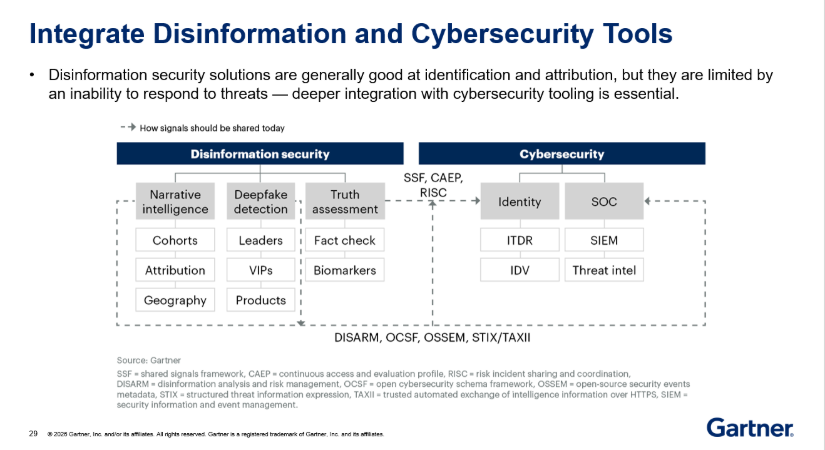
Attackers use disinformation through malicious online narratives against organizations, combining deepfakes with social engineering to target employees. In this session, Akif Khan, VP Analyst at Gartner, explored how chief information security officers (CISOs) must collaborate with their marketing and IT leaders to defend against such attacks.
Key Takeaways
- “Gartner predicts by 2027, more than 70% of all digital content will be synthetic, making it as important to prove what is true as to detect what is false.”
“Trust in digital content is so important that, in 2030, enterprises will spend more than $25 billion authenticating it.”
“CISOs should partner with CIOs to secure internal attack surfaces from deepfake and social engineering threats by strengthening authentication, enhancing detection capabilities, and delivering targeted security awareness training for employees.”
“Narrative-driven attacks on social media can create security, reputational, financial, and executive-protection risks that require collaboration between security, communications, and marketing leaders.”
“Disinformation is a cybersecurity concern, but not solely a cybersecurity responsibility. Organizations must establish a cross-functional trust council to coordinate governance, define ownership, and strengthen resilience against disinformation threats.”
Journalists can receive additional information and/or request an interview with Akif Khan by contacting Laurence Goasduff at laurence.goasduff@gartner.com.
Three Ways CISOs Must Optimize Infrastructure Security
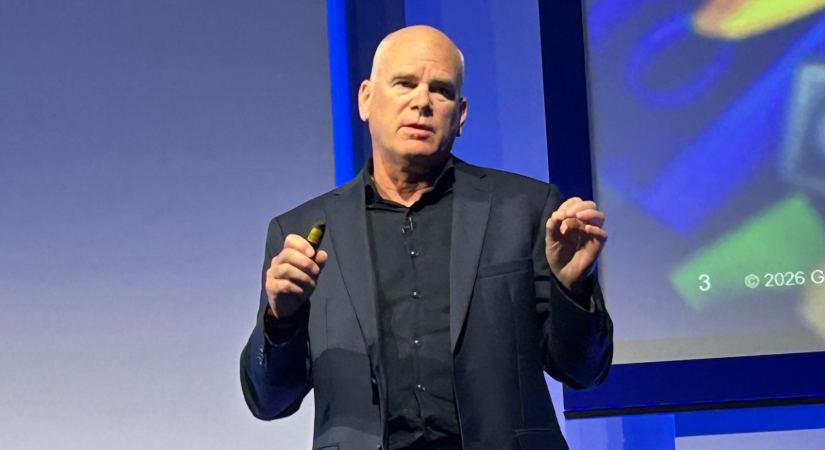
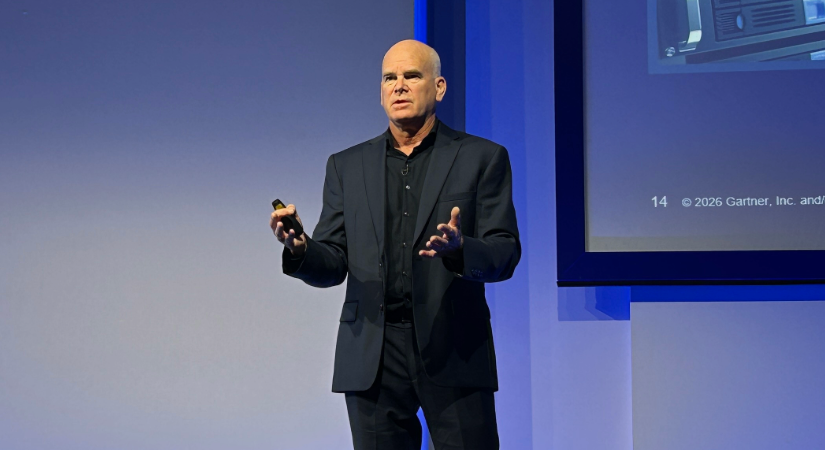
Presented by Peter Firstbrook, Distinguished VP Analyst, Gartner
Expanding security stacks, overlapping capabilities, and increasing pressure from vendors to adopt broad portfolios of security products have intensified the need for ongoing infrastructure security optimization. In this session, Peter Firstbrook, Distinguished VP Analyst at Gartner, discussed practical strategies CISOs can use to simplify complex decisions, avoid wasted spending on ill-suited investments and strengthen overall security outcomes.
Key Takeaways
- Security leaders must optimize infrastructure security in three key ways:
Preparing for agentic AI disruption, addressing both AI adoption and AI-augmented attacks.
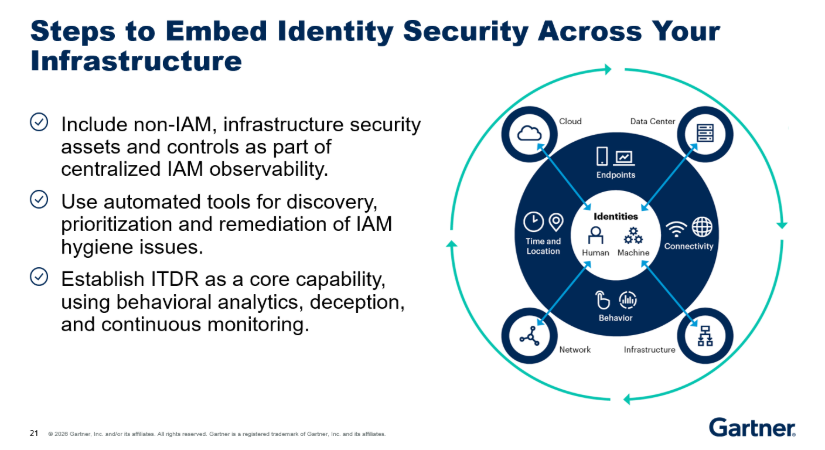
Embedding identity security across infrastructure security to close identity-related gaps and strengthen protection against credential abuse.
Rationalizing cybersecurity tools into specialized platforms aligned with key cybersecurity domains.
“Don’t treat infrastructure identities as a silo separate from the broader identity and access management (IAM) ecosystem. To reduce the IAM attack surface, CISOs should invest in an IAM insights dashboard that provides centralized observability.”
“Identity threat detection and response (ITDR) will become increasingly important in the age of AI to monitor and detect credential abuse by malicious AI agents, and shadow AI usage involving corporate credentials outside corporate-managed endpoints.”
“Rationalize cybersecurity tools around strategic infrastructure security domains to reduce complexity, improve operational efficiency, and enhance resilience by partnering with trusted providers and establishing clear vendor exit strategies.”
Journalists can receive additional information and/or request an interview with Peter Firstbrook by contacting Laurence Goasduff at laurence.goasduff@gartner.com.
That's a wrap for Gartner Security & Risk Management Summit in London. Until next year!


About Gartner
Gartner (NYSE: IT) delivers actionable, objective business and technology insights that drive smarter decisions and stronger performance on an organization’s mission-critical priorities. To learn more, visit gartner.com.