NATIONAL HARBOR, May 20, 2025
It’s not too late to join the conference
Overview
We are bringing you news and highlights from the Gartner CFO & Finance Executive Conference, taking place this week in National Harbor. Below is a collection of key announcements and insights coming out of the conference.
On Day 1 of the conference we are highlighting sessions covering a realistic approach to AI maturity, finance’s role in creating a cost conscious culture, how to succeed as a new CFO and how the best CFOs delegate differently. Be sure to check this page throughout the day for updates.
Key Announcements
Presented by Mark D. McDonald, Senior Director Analyst at Gartner
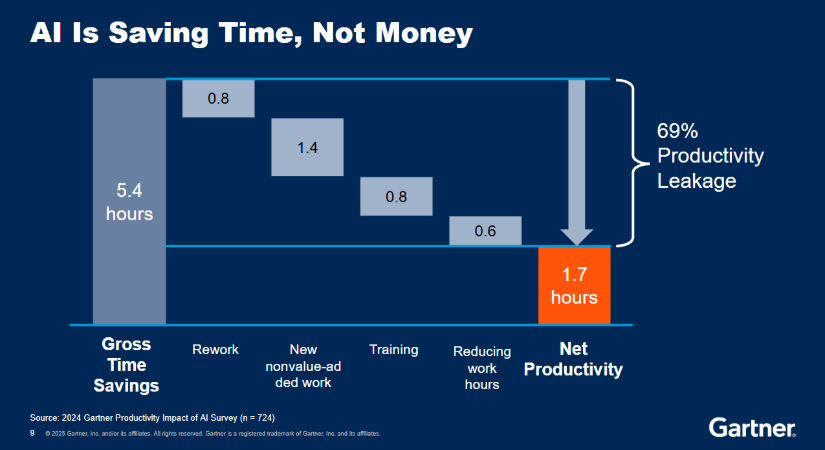
Some finance associates are concerned that AI is “coming for our jobs.” In this session, Mark D. McDonald, Senior Director Analyst at Gartner, explained how thinking about AI this way - aside from creating resistance among employees - leads finance organizations to overestimate the short-term impacts of the technology, while failing to prepare for the long-term effects.
The idea that today’s AI technology will replace human workers in finance functions has greatly exaggerated the technology’s capabilities, and is both alarmist and leads to overinflated expectations when adopting the technology.
Currently, AI saves time and not money, delivering about a 2 hour net productivity gain per employee per week on average.
Finance has to deliver auditable financials with integrity. Blindly delegating finance’s responsibilities to an algorithm is problematic at best.
It’s OK to have big expectations about AI, but to realise them finance leaders must break them down and start with the smallest, most elemental parts and incrementally move forward from there: this is the journey of AI maturity.
Organizations need to simultaneously implement dual pathways towards growing AI maturity: A tactical path that uses embedded AI capabilities in software deliver quick wins by automating common tasks (e.g. AR, AP), and a longer, strategic path with a potentially much higher payoff that will require cultivating new skills within the finance organization.
Journalists can receive additional information and/or request an interview with the Gartner expert by contacting Rob van der Meulen at rob.vandermeulen@gartner.com
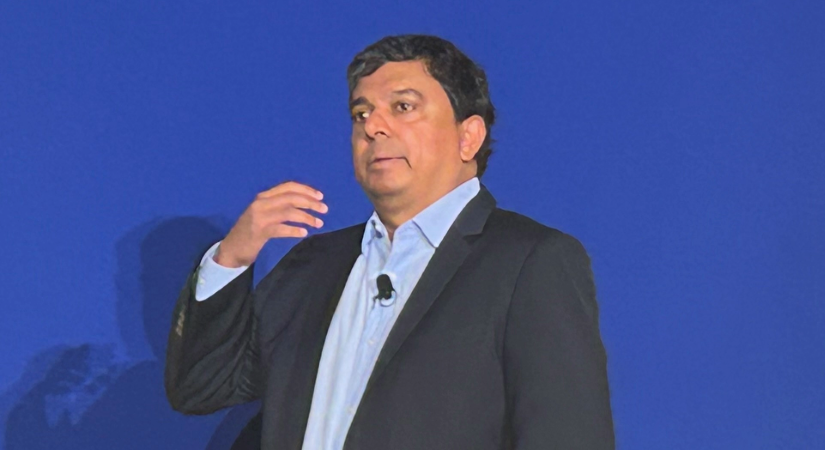
Presented by Randeep Rathindran, Distinguished VP and Key Initiative Leader Gartner
Instead of cutting costs for one to two years, cost-conscious companies continuously optimize costs, and eliminate reactive cost cutting. In this session, Randeep Rathindran, Distinguished VP and Key Initiative Leader at Gartner, explained the concept of a cost-conscious culture, which is one that is characterized by cost ownership, cost transparency, and cost acumen.
Four approaches that are ingrained within finance’s workflows – budgeting, performance incentives, business partnering interactions, and on-demand cost analysis are the keys to achieving a cost-conscious culture.
Adopt and use the principles of different budget models (such as driver-based budgeting, zero-base budgeting, and rolling forecasts) in different functions and business units rather than using the same standardized budgeting model across the whole company.
Align cost incentives to the “what’s-in-it-for-me” (i.e., personal incentives), which range from personal payout-oriented (bonuses) to budget funding-oriented (central winbacks).
Finance business partners should be teachers rather than consultants. Embrace finance’s educational role to sensitize decision makers to total economic cost and cost drivers to improve their cost acumen.
Provide on-demand cost analytics to spur greater cost acumen.
Journalists can receive additional information and/or request an interview with the Gartner expert by contacting Rob van der Meulen at rob.vandermeulen@gartner.com
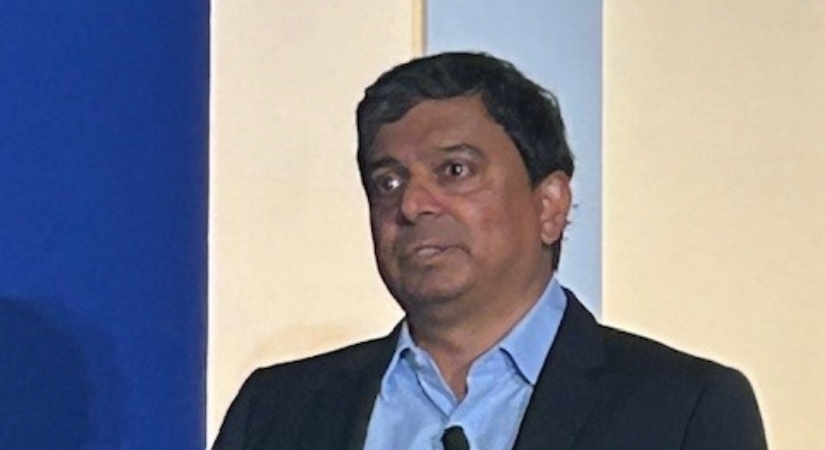
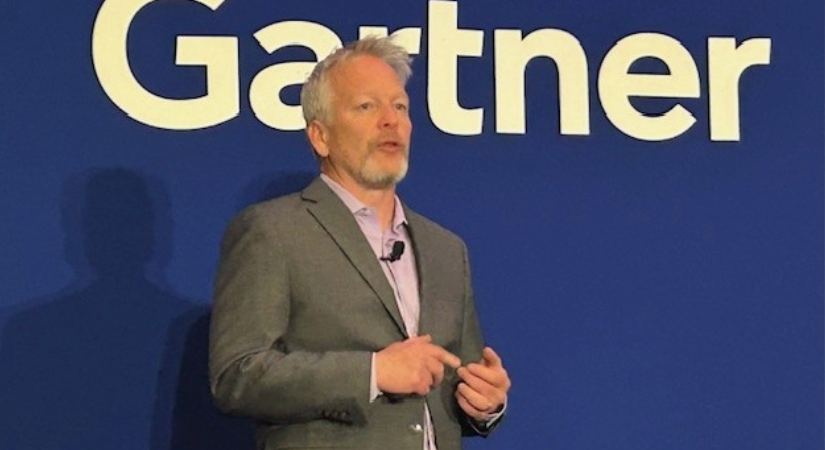
Presented by Dennis Gannon, Vice President Analyst at Gartner
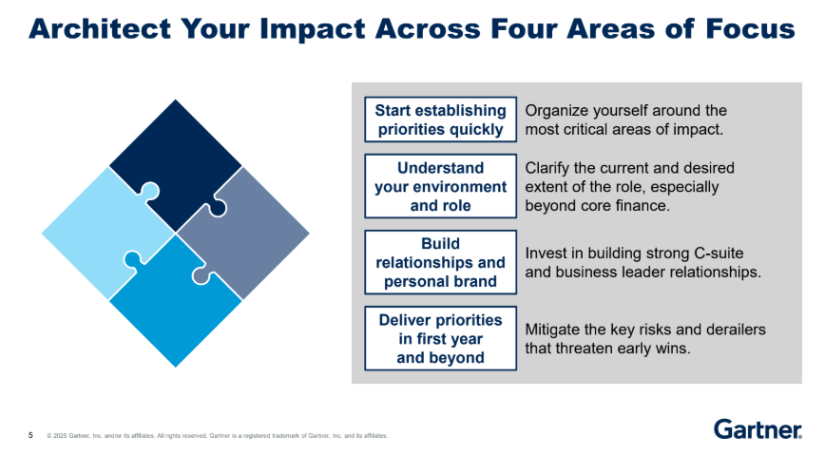
Outgoing CFO tenure reached a 5 year low of 5.6 years in the fourth quarter of 2024. In this session, Dennis Gannon, Vice President Analyst at Gartner, revealed to those aspiring to the CFO role that the most successful executive transitions were twice as likely to have a formal transition plan in place and shared a template for what that looks like.
New CFOs should quickly establish priorities around two main sets of objectives: 1) enterprise performance, e.g. business growth and profitability, product portfolio evolution and strategy execution and 2) finance function e.g. accounting close and budget cycle, transformation and AI use, and talent and skill development
The modern CFO role often extends well beyond traditional finance. New to role CFOs should be strategic about this, clarifying the current and desired extent of the role with company leadership.
To build strong C-suite and business leader relationships, new CFOs should consider teaming up with the CIO to lead digital strategy, fostering forward looking discussions with business leaders that focus on risk and performance drivers, and engage with the head of sales to understand and support their engagement with customers.
Mitigate common barriers to early wins by applying finance leadership practices to your own time: explicitly announcing and discussing personal focus areas, zero-basing your calendar to remove low value uses of time, put time aside for focused sprints to maximise personal impact, and use calendar postaudits to create a learning loop on time expenditure.
Journalists can receive additional information and/or request an interview with the Gartner expert by contacting Rob van der Meulen at rob.vandermeulen@gartner.com
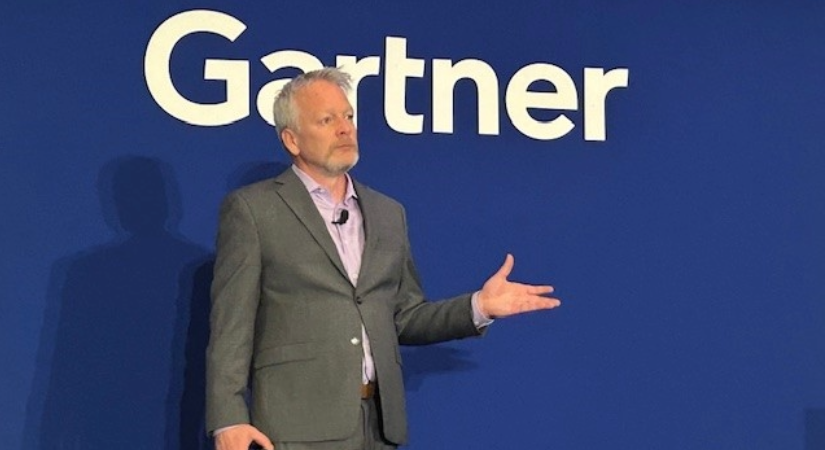
Presented by Emily Riley, Senior Director Analyst at Gartner
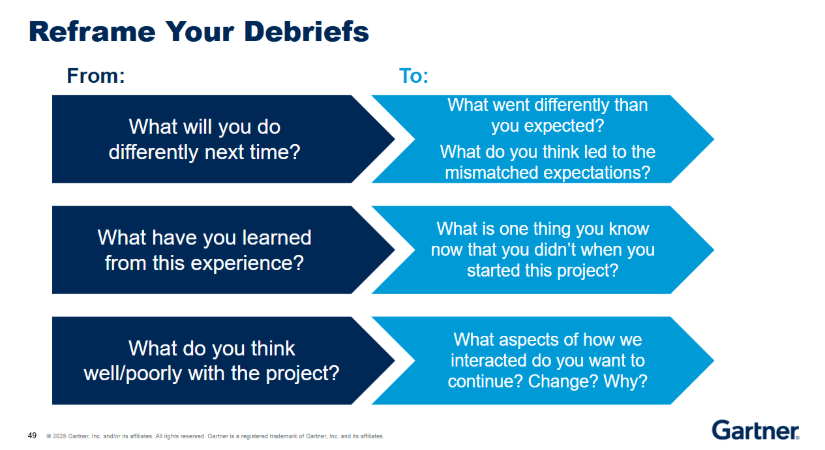
In this session, Emily Riley, Senior Director Analyst at Gartner, offered specific shifts CFOs can make so that delegating to team members can be a much easier and more effective process.
Four practical shifts allow CFOs to make cultivating a sense of trust more authentic and accessible for finance teams.
Delegate outcomes, not tasks. CFOs who are most effective at delegation give their delegates responsibility for realizing outcomes. For example, delegating responsibility for gaining leadership buy-in for transformation activities, rather than just asking a team member to build a report, helps to reinforce ownership and engagement to drive better outputs.
CFOs should share information about why and who, not what or how. Provide background that team members are unlikely to be privy to without executive-level visibility, as well as context on who else to involve in pursuing the outcomes.
CFOs should establish guardrails for themselves, not just the delegate. This helps leaders counter the urge to get involved in ways that can inadvertently signal mistrust.
Value the journey, not just the destination. The most effective CFOs facilitate opportunities for delegates to reflect on their experiences in a way that maximizes growth.
Journalists can receive additional information and/or request an interview with the Gartner expert by contacting Rob van der Meulen at rob.vandermeulen@gartner.com
It’s not too late to join the conference
Gartner (NYSE: IT) delivers actionable, objective business and technology insights that drive smarter decisions and stronger performance on an organization’s mission-critical priorities. To learn more, visit gartner.com.