London, U.K., May 13, 2025
- Gartner client? Log in for personalized search results.
Gartner Marketing Symposium/Xpo: Day 2 Highlights
It’s not too late to join the conference
Overview
We are bringing you news and highlights from Day 2 of the 2025 Gartner Marketing Symposium/Xpo, taking place this week in London. Below is a collection of the key announcements and insights coming out of the conference.
On Day 2, we are highlighting how to develop an AI strategy, how CMOs can manage data & analytics and how to build best-in-class CX.
Key Announcements
Signature Series: How to Develop an AI Strategy for Marketing
Presented by Nicole Greene, Vice President Analyst, Gartner
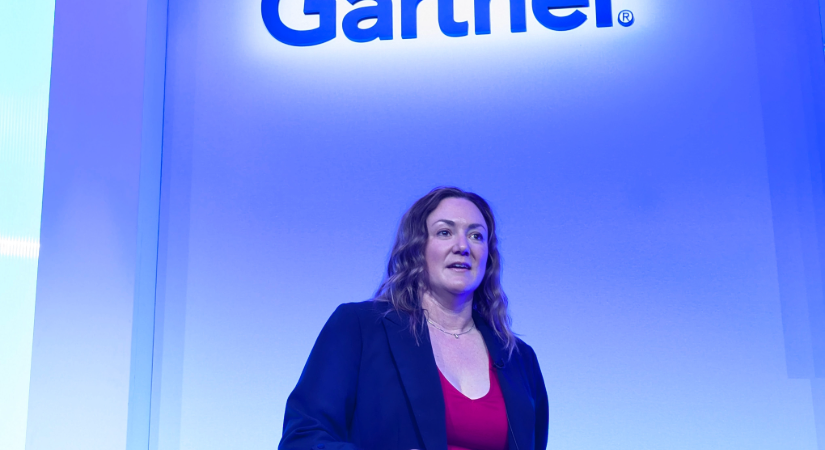
The shift from using AI for productivity to driving impactful results requires new processes, tools, skills and mindsets. In her session, Nicole Greene, Vice President Analyst at Gartner, explored how CMOs can refine their strategic roadmap and use AI to position marketing as a growth driver.
Key Takeaways
“Sixty-two percent of CEOs say growth is a top strategic priority for their organization. Marketing is uniquely positioned to use AI to help achieve that growth.”
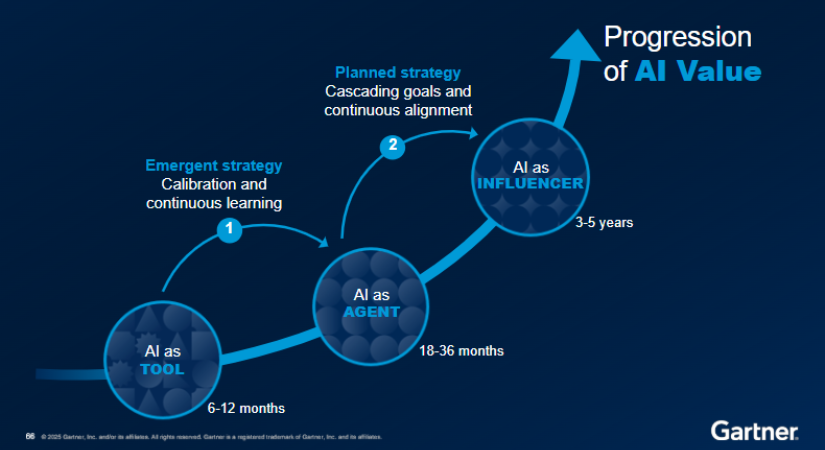
“Last year, it was all about GenAI. Now, we’re tracking emotion AI, machine customers, influence AI and agentic AI, too. It’s time to develop a short, mid and long-term strategic vision that considers AI as a tool, then as an agent, and then as an influencer.”
“The majority of organizations are currently using AI as a tool. They’re in the early stages of AI adoption, with a limited number of use cases aimed at reducing the burden of manual tasks.”
“In the medium term, CMOs should plan for using AI as an agent, focusing on use cases that support better customer experiences. Agentic AI requires quality data and guardrails to succeed and mitigate risks.”
- “In the next 3 to 5 years, marketers will be using AI as an influencer. That means AI can lead decisions autonomously, requiring less human oversight. Marketers will need the discipline to optimize for both human and machine customers.”
Journalists can receive additional information and/or request an interview with Nicole Greene by contacting Jordan Brackenbury at jordan.brackenbury@gartner.com.
The Great Data Migration: Marketing's Adventure Into Centralized Analytics
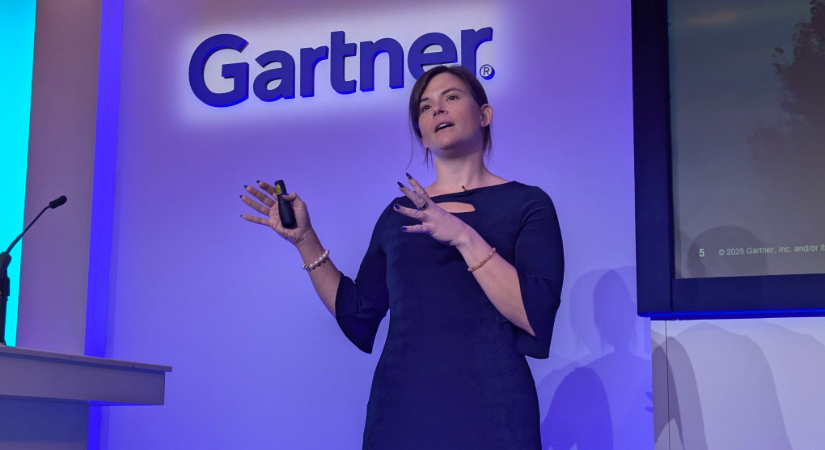
Presented by Lizzy Foo Kune, Distinguished VP Analyst, Gartner
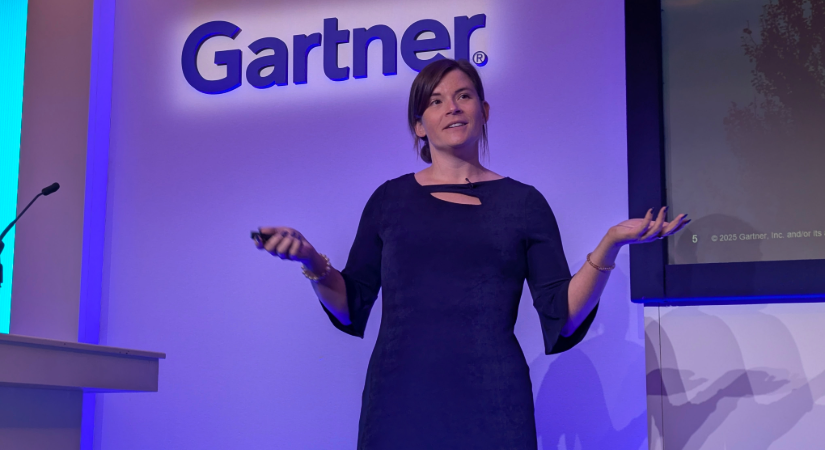
According to Gartner research, 78% of senior marketing leaders say their company is centralizing marketing analytics into an enterprise data and analytics (D&A) function. In her session, Lizzy Foo Kune, Distinguished Vice President Analyst at Gartner, discussed how CMOs can plan for this change and ensure their teams have the D&A skills necessary to succeed.
Key Takeaways
- “Marketing D&A is migrating, which represents a fundamental shift in the relationship between marketing and IT.”
“Marketing leaders should focus on using data for insights and decision-making, enriching data profiles, and optimizing marketing strategies. Delegate the technical aspects of data infrastructure, quality and governance to IT.”
“For organizations undergoing full migration of D&A to IT, it’s even more important to be extremely proficient with use case prioritization. Marketing’s use cases will join the queue with all of IT’s other requests, so CMOs need to develop strong business cases.”
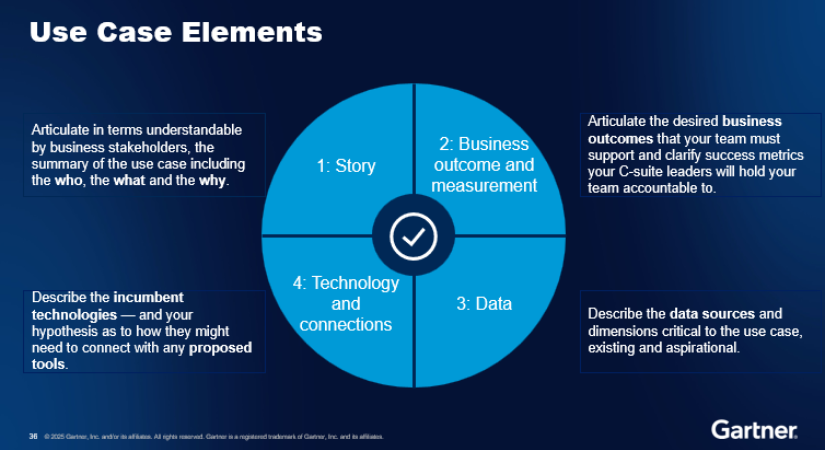
“There are four key use case elements CMOs must consider:
Story: Articulate the who, what and why of the use case in terms understandable by business stakeholders
Business outcome and measurement: State the desired business outcomes and clarify success metrics
Data: Describe the data sources critical to the use case, existing and aspirational
Technology and connections: Describe the incumbent technologies and how they might connect with any proposed tools.”
“According to Gartner research, marketing staff who have the necessary skills to use data and analytics are 9.5x more likely to report marketing has influence and can demonstrate ROI.”
Journalists can receive additional information and/or request an interview with Nicole Greene by contacting Jordan Brackenbury at jordan.brackenbury@gartner.com.
Struggling To Succeed At Customer Experience? Avoid Failures Instead
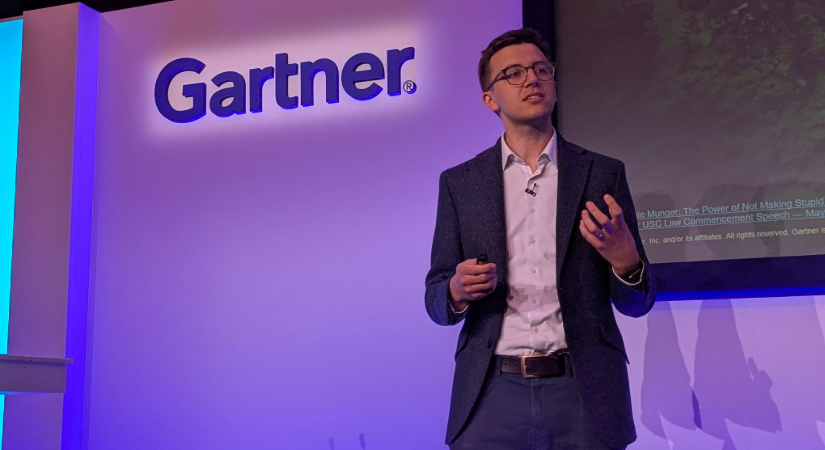
Presented by Christopher Sladdin, Director Analyst, Gartner
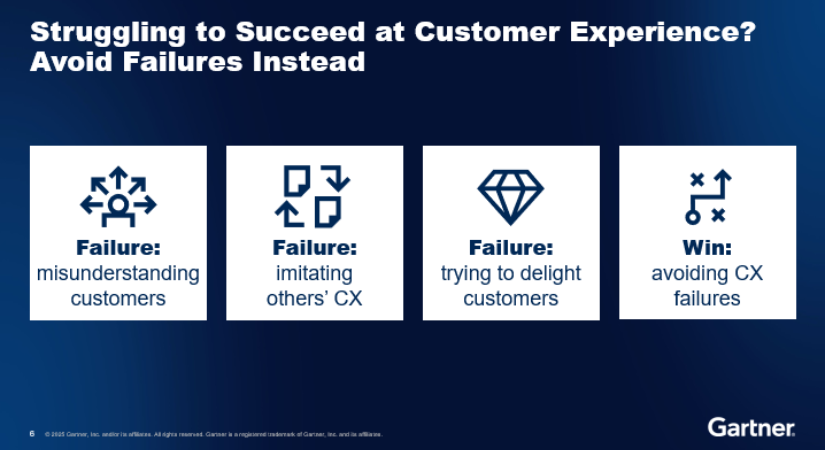
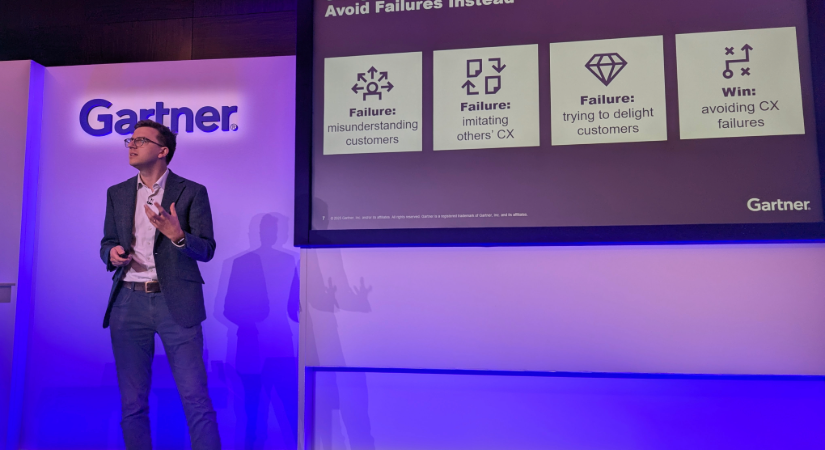
Many organizations focus on chasing customer experience (CX) "wins", but avoiding common failures may be a better strategy. In his session, Christopher Sladdin, Director Analyst at Gartner, explored the top CX failures to avoid, and what marketing leaders should do to create best-in-class CX.
Key Takeaways
“A common CX failure many organizations struggle with is misunderstanding customers.”
“To better understand customers, marketing leaders need to audit the voice of the customer feedback collected across the organization. This includes direct sources, such as complaints, indirect sources such as tweets or call recordings, and inferred feedback such as customer journey analytics.”
“Another common CX failure is trying to imitate the customer experience of others. Your optimal CX can be found at the intersection of four things:
What CX is your organization passionate about providing?
What CX does the world need from your organization?
What CX will customers pay for?
What CX aligns with your organization's strengths?”
“Our third and final CX failure is focusing too much on trying to delight customers. Instead, organizations should focus on lowering customer effort. It’s vital that organizations measure and improve their Customer Effort Scores.”
“Some CX decisions will fail, but by using pilot programs,A/B testing, and learning from a continuous stream of voice of the customer feedback, CX leaders can reverse initiatives that don’t work and focus on those that do.”
Journalists can receive additional information and/or request an interview with Christopher Sladdin by contacting Jordan Brackenbury at jordan.brackenbury@gartner.com.

It’s not too late to join the conference
That's a wrap on this year's Gartner Marketing Symposium/Xpo in London. Until next year!


About Gartner
Gartner (NYSE: IT) delivers actionable, objective business and technology insights that drive smarter decisions and stronger performance on an organization’s mission-critical priorities. To learn more, visit gartner.com.