The rapid evolution of deepfake threats is turning detection from a specialized solution into a core business requirement.
- Gartner client? Log in for personalized search results.
Deepfake Detection Market: From Emerging to Enterprise Essential
Deepfakes are accelerating demand for trust technologies
By 2027, more than 70% of all digital content will be synthetic, making it as important to prove what is true as to detect what is false. Hyper-realistic deepfakes are now undermining digital trust and exposing enterprises to new risks. “Gartner defines deepfake detection as an emerging cybersecurity discipline with capabilities to detect, analyze and perform forensics on fabricated, manipulated, AI-generated or AI-manipulated multimedia — including images, audio, video and live interactions — when the primary purpose is to deceive or disinform,” says Apeksha Kaushik, Senior Principal Analyst at Gartner. This growing threat is driving demand for technologies that can help organizations verify authenticity and mitigate synthetic media risks.
Enterprises need a new approach to digital trust
Treating deepfakes as a peripheral threat, not a top-tier enterprise risk, guarantees severe client and customer losses, as proactive risk classification and mitigation become the new critical differentiator in security and risk management.
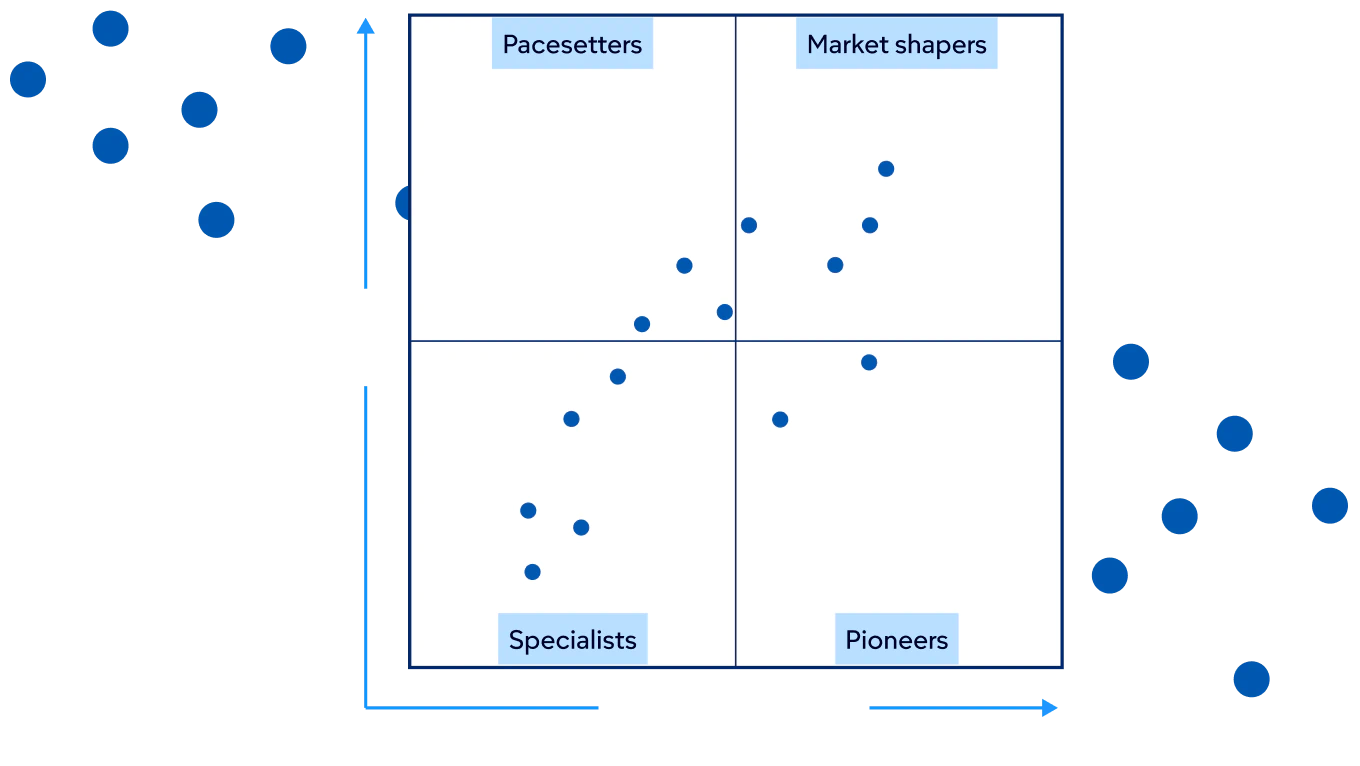
Trust in digital content is so important that, in 2030, enterprises will spend more than $25 billion authenticating it. The deepfake detection market is evolving quickly, with vendors pursuing distinct approaches to address growing concerns around trust. Startups dominate this market, offering forensic-grade detection to meet rising enterprise needs. The Gartner Emerging Market Quadrant (EMQ) highlights four categories of market participants in this fast-moving space.
Continuous intelligence is shaping the market
Gartner characterizes market shapers as multimodal ensemble models capable of scrutinizing audio, video, image and text concurrently, combined with deep forensic signals intelligence and threat propagation/proliferation graphs. By embedding these capabilities into continuous operational workflows, these offerings disrupt traditional detection tactics and procedures. Gartner finds that buyers seeking to improve digital trust should evaluate these offerings based on their ability to integrate with existing enterprise platforms and global system integrators (GSIs).
Domain-specific solutions offer precision but require integration
Vendors in the pacesetters quadrant focus on targeted defense within specific channels, such as remote hiring pipelines or executive voice protection. Gartner insights indicate these solutions are highly effective for mission-critical workflows but caution that heavy reliance on single-modality defenses leaves organizations vulnerable to multimodal bypass attacks. Carefully plan integration roadmaps to avoid architectural fragmentation and ensure seamless alignment with broader TrustOps strategies.
Innovation at the edge enables proactive defense
Some vendors in the pioneers quadrant are challenging traditional detection methods by focusing on endpoint integrity, semantic context and real-time interventions. These approaches move beyond reactive file scanning, with features like managed agents that provide automated prompts during live conversations. Technical agility and unique architectures make these solutions well-suited for securing live and previously unmonitored communication channels. However, limited resources and early-stage funding may constrain long-term, global support. Leaders should pilot these innovative solutions but ensure robust fallback mechanisms and data portability.
Specialized solutions address regulatory and authenticity needs
Other vendors in the specialists quadrant deliver deep expertise in areas such as cryptographic provenance and document forensics. These solutions excel in regulated sectors by offering verifiable chains of custody and pixel-level detection for onboarding and authentication. They are particularly valuable for high-stakes scenarios where compliance and authenticity are critical. Organizations must carefully plan integration and ensure data export to centralized security operations to reduce operational silos.
*These tech vendor assessments are performed by teams of analyst analysts who collaborate to establish Gartner opinions. Analysts consider a variety of market data and information sources, including, but not limited to, analyst consultations with end users and providers, Gartner end-user product reviews, Gartner proprietary data, public data, and analysts’ own exploration and knowledge of the market.
Deepfake detection FAQs
What is deepfake detection according to Gartner?
Gartner defines deepfake detection as a cybersecurity discipline that identifies, analyzes and performs forensics on AI-generated or manipulated multimedia to protect digital trust.
Why is deepfake detection becoming an enterprise essential?
Gartner finds that hyper-realistic deepfakes threaten digital trust, making detection a core requirement for enterprise security and risk management.
How should leaders evaluate deepfake detection vendors?
Gartner recommends evaluating vendors based on their forensic credibility, ecosystem integration, explainability for regulations and operational ownership.
Evaluate major tech vendors and markets with tools like Gartner Magic Quadrant™ and Critical Capabilities — and exclusive insights.